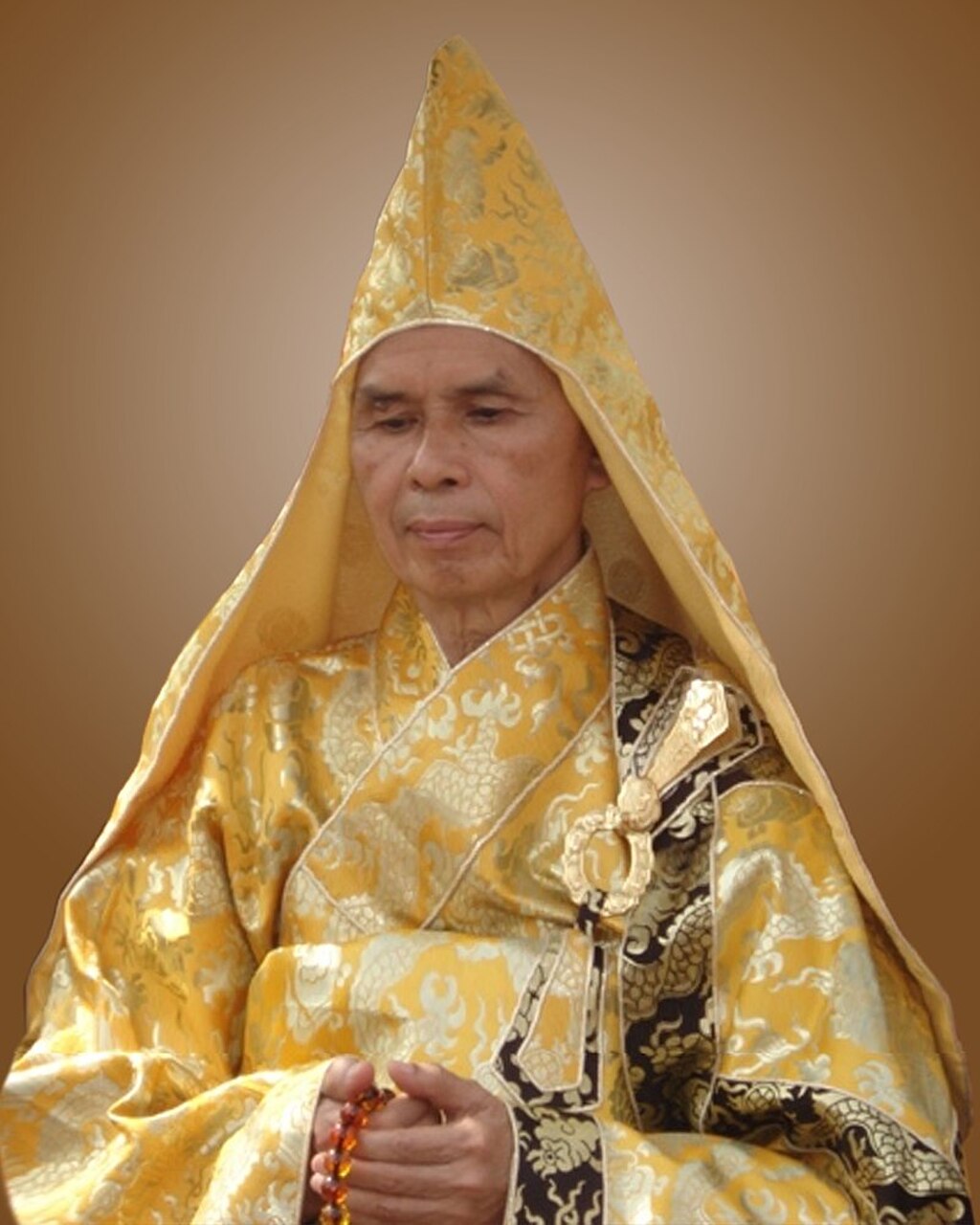
The Heart of Understanding: The Essence of True Love
Thich Nhat Hanh's assertion that "true love is born from understanding" invites us to explore the profound connection between love and comprehension. This statement suggests that love is not merely an emotion but a deep, relational understanding that fosters genuine connection. In a world often fraught with misunderstanding and superficial interactions, this insight serves as a reminder of the transformative power of empathy and awareness in our relationships.
To grasp the significance of this quote, we must consider the implications of understanding as a foundation for love. Love, in its truest form, transcends mere affection or attraction; it requires a willingness to see and appreciate the complexities of another person. This understanding is not passive; it demands active engagement, patience, and a commitment to truly know the other. In this light, love becomes a dynamic process, rooted in the cultivation of awareness and compassion.
The image / the metaphor
At its core, the quote evokes a vivid image of love as a blossoming flower, nurtured by the rich soil of understanding. The choice of the word "born" suggests that love is not an inherent trait but rather something that emerges through conscious effort and connection. This metaphor emphasizes the idea that love requires cultivation; it is not simply a spontaneous occurrence but a gradual unfolding that necessitates attention and care.
Diving deeper into this metaphor, we can see that understanding acts as the sunlight and water essential for the growth of love. Without these elements, love may wither or become stunted. The verbs "born" and "understanding" imply a dynamic relationship where love is actively created and sustained through the practice of empathy. This understanding is not limited to intellectual comprehension but encompasses emotional and spiritual dimensions, inviting us to engage with others on multiple levels.
In the speaker's tradition
Thich Nhat Hanh's teachings are deeply rooted in the Buddhist tradition, where concepts such as compassion (karuna) and wisdom (prajna) are central to the understanding of love. In Buddhism, love is not merely an attachment or desire; it is an expression of interconnectedness and a recognition of the shared nature of suffering. This perspective aligns with the idea that true love arises from a profound understanding of oneself and others, fostering a sense of unity and compassion.
In his work "True Love," Thich Nhat Hanh elaborates on the Four Elements of True Love: loving-kindness, compassion, joy, and equanimity. Each of these elements requires a deep understanding of both oneself and the beloved. For instance, loving-kindness cannot flourish without recognizing the inherent worth and struggles of another. This interconnectedness echoes the Buddhist concept of sunyata, or emptiness, which teaches that our identities are shaped by our relationships and experiences, further emphasizing the need for understanding in cultivating love.
Living the teaching
Consider a modern scenario where this teaching can be applied: a couple navigating a disagreement. In the heat of the moment, it is easy to become entrenched in one's own perspective, leading to misunderstandings and emotional distance. However, if both partners take a step back to practice understanding—actively listening to each other's feelings and motivations—they can transform the conflict into an opportunity for deeper connection. This shift from defensiveness to empathy exemplifies how understanding can give rise to a more profound love.
Another application of this teaching can be found in the context of friendships. Imagine a friend who is going through a difficult time, perhaps struggling with loss or disappointment. By approaching the situation with a mindset of understanding, rather than offering unsolicited advice or judgment, one can create a safe space for the friend to express their feelings. This act of compassionate listening not only strengthens the bond between friends but also illustrates how love, rooted in understanding, can provide solace and support in times of need.
A reflection
As we contemplate Thich Nhat Hanh's assertion that "true love is born from understanding," we are invited to reflect on our own relationships. How often do we pause to truly understand the perspectives and emotions of those we care about? In what ways can we cultivate a deeper awareness of others, allowing love to flourish in our lives? These questions encourage us to engage in a practice of mindfulness and empathy, fostering connections that are rich, meaningful, and transformative.


Join the BrightStar Community
Stay connected with daily inspiration, event announcements, and community wisdom