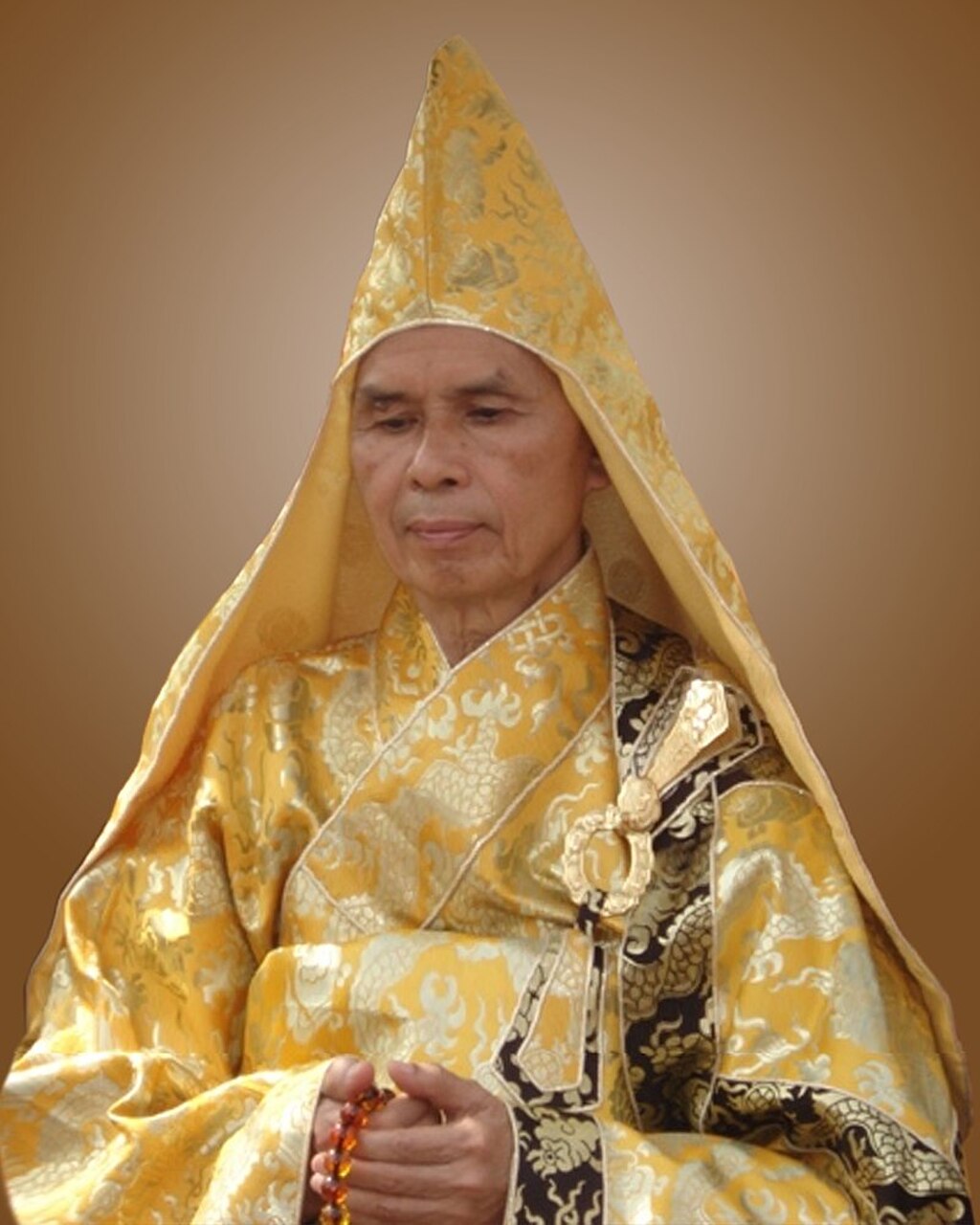
The Gift of Simply Being
Thich Nhat Hanh's assertion that "You are a gift to the world simply by being" invites us to recognize the inherent value of our existence. In a society often driven by achievement and productivity, this statement serves as a gentle reminder that our worth is not contingent upon our actions or accomplishments. Instead, it emphasizes the profound truth that our mere presence contributes to the tapestry of life, enriching the world in ways we may not fully comprehend.
This perspective challenges the pervasive notion that self-worth must be earned or validated through external measures. By embracing the idea that we are gifts simply by existing, we can cultivate a deeper sense of self-acceptance and appreciation. This realization not only liberates us from the burdens of comparison and competition but also encourages us to engage more authentically with ourselves and others, fostering a sense of interconnectedness that is vital for spiritual growth.
The image / the metaphor
The imagery in Thich Nhat Hanh's quote evokes a sense of intrinsic value and belonging. The word "gift" suggests something precious and unique, something that brings joy and meaning to others. The act of "being" implies a state of existence that transcends doing; it is a reminder that our essence is enough. This notion resonates deeply within the human experience, as we often seek validation through our actions rather than recognizing the beauty of our simple presence.
In the speaker's tradition
Thich Nhat Hanh's teachings are deeply rooted in the Buddhist tradition, which emphasizes the concepts of interdependence and the nature of being. The idea of "sunyata," or emptiness, suggests that our identities are not fixed but rather fluid and interconnected with all beings. This understanding aligns with the notion that our worth is not derived from individual accomplishments but from our inherent connection to the world around us. In recognizing ourselves as gifts, we acknowledge the profound impact our presence has on the collective experience of life.
Furthermore, Hanh's teachings resonate with the concept of "dharma," which refers to the natural order of the universe and our role within it. By simply being, we align ourselves with the flow of existence, contributing to the greater good without the need for validation. In his work "True Love," Hanh emphasizes the importance of mindfulness and presence, encouraging us to cultivate a deep awareness of our being as a source of love and compassion for ourselves and others. This interconnectedness is a cornerstone of Buddhist philosophy, reminding us that our existence is a gift not only to ourselves but to the entire world.
Living the teaching
Consider a modern scenario where this teaching can be applied: a busy workplace where employees often feel pressured to perform at high levels. In such an environment, individuals may struggle with feelings of inadequacy, believing that their worth is tied to their productivity. By embracing Thich Nhat Hanh's message, one might begin to shift their perspective, recognizing that their mere presence and unique contributions are valuable. This shift can foster a more supportive workplace culture, where individuals feel appreciated for who they are rather than solely for what they achieve.
In personal relationships, this teaching can also have a profound impact. Imagine a moment of conflict with a loved one, where misunderstandings and hurt feelings arise. By embodying the understanding that both parties are gifts to each other, one can approach the situation with compassion and openness. This perspective encourages a deeper connection, allowing for healing and growth as both individuals recognize their inherent worth and the value of their relationship. In daily practices, such as meditation or mindfulness, we can cultivate an awareness of our being, reinforcing the idea that we are enough just as we are.
A reflection
As we contemplate Thich Nhat Hanh's assertion that "You are a gift to the world simply by being," we are invited to explore the depths of our own self-worth. How might our lives change if we fully embraced the idea that our existence is valuable, independent of our achievements? In what ways can we express gratitude for our own being and the presence of others in our lives? These questions encourage a deeper reflection on the nature of worth and the interconnectedness of all beings, guiding us toward a more compassionate and accepting way of living.




Join the BrightStar Community
Stay connected with daily inspiration, event announcements, and community wisdom