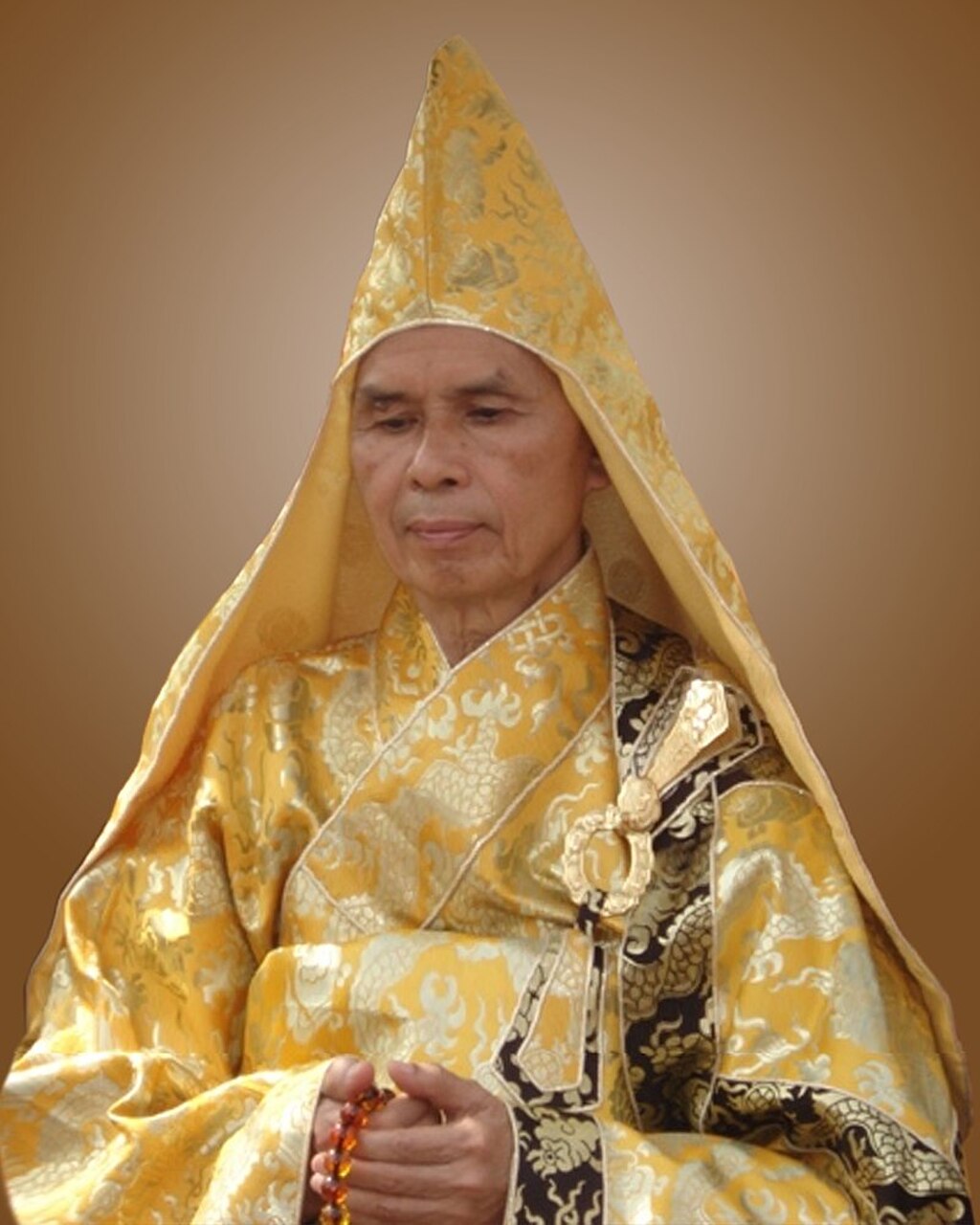
The Wonder of Being: Embracing Our Inherent Worth
Thich Nhat Hanh's simple yet profound assertion, "You are a wonder," invites us to recognize the intrinsic value and beauty within ourselves. In a world often steeped in self-doubt and comparison, this statement serves as a gentle reminder of our unique existence and the potential we hold. Understanding our worth is not merely an act of self-affirmation; it is a spiritual awakening that can transform our relationships with ourselves and others.
This quote resonates deeply in a culture that frequently measures worth through external achievements or societal validation. Thich Nhat Hanh, a master of mindfulness and compassion, encourages us to look beyond these fleeting metrics and appreciate the essence of our being. To embrace the notion that we are wonders is to cultivate a sense of awe and gratitude for our existence, fostering a deeper connection to ourselves and the world around us.
The image / the metaphor
At its core, the phrase "You are a wonder" evokes a vivid image of something extraordinary and awe-inspiring. The word "wonder" suggests not only beauty but also a sense of mystery and the miraculous. It invites us to pause and reflect on the sheer improbability of our existence, the intricate web of circumstances that brought us here, and the unique qualities that define us. This imagery encourages a felt sense of reverence for our lives, urging us to recognize the sacredness in our everyday experiences.
Diving deeper into the metaphor, we can see that to be a "wonder" implies a dynamic interplay of qualities—vulnerability, strength, and the capacity for growth. It suggests that our worth is not static but rather an evolving journey. Just as a flower unfolds in its own time, so too do we reveal our potential through the experiences we encounter. This understanding invites us to embrace our imperfections and uncertainties, recognizing that they are integral to the wonder of our being.
In the speaker's tradition
Thich Nhat Hanh's teachings are deeply rooted in the Buddhist tradition, which emphasizes the interconnectedness of all beings and the inherent worth of each individual. Concepts such as *sunyata* (emptiness) and *prajna* (wisdom) illuminate the idea that our true nature transcends the superficial labels we often impose upon ourselves. In recognizing that we are wonders, we begin to understand that our essence is not defined by our accomplishments or failures but by our capacity for compassion, love, and connection.
In his work "True Love," Thich Nhat Hanh speaks to the importance of self-love as a foundation for loving others. This notion resonates with the Buddhist practice of *metta*, or loving-kindness, which encourages us to cultivate a genuine affection for ourselves before extending it outward. By acknowledging our own worth, we create a fertile ground for authentic relationships, allowing us to see the wonder in others as well.
Living the teaching
Consider a modern scenario where the teaching of recognizing oneself as a wonder can have a profound impact. Imagine a person grappling with feelings of inadequacy in their professional life, constantly comparing themselves to colleagues and measuring their worth by external standards. By embracing the idea that they are a wonder, this individual can shift their perspective, allowing them to appreciate their unique contributions and strengths. This shift not only enhances their self-esteem but also fosters a more collaborative and supportive work environment.
A reflection
As we contemplate Thich Nhat Hanh's assertion that "You are a wonder," we are invited to explore the depths of our own self-worth. What does it mean for you to recognize yourself as a wonder in a world that often seeks to diminish your value? In moments of doubt or insecurity, how can you return to this truth and allow it to guide your actions and interactions? Reflecting on these questions can illuminate the path toward a more compassionate and fulfilling existence.


Join the BrightStar Community
Stay connected with daily inspiration, event announcements, and community wisdom