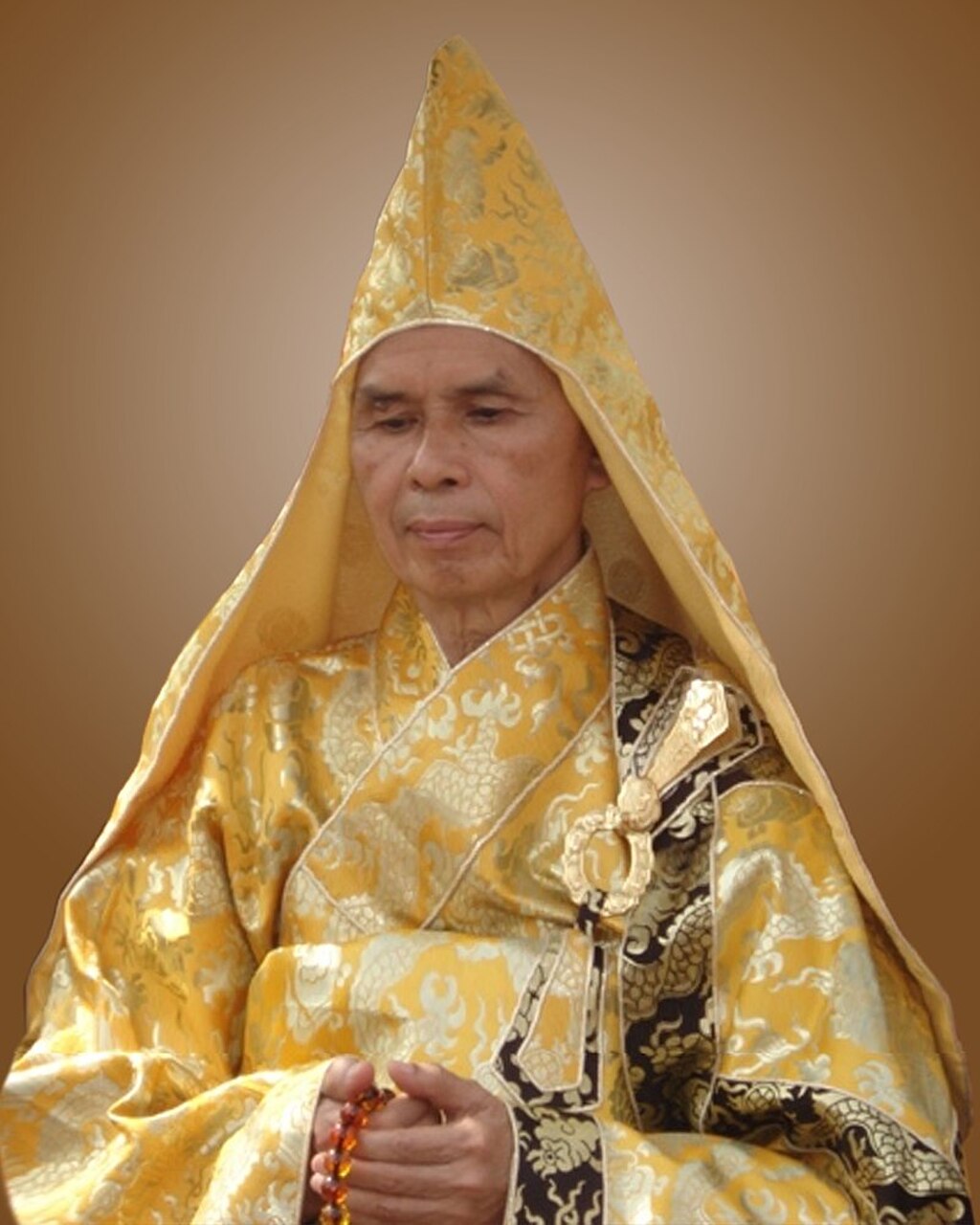
Embracing Our Innate Wonder
Thich Nhat Hanh's assertion, "You are wonderful, just the way you are," invites us to recognize and embrace our inherent worthiness. In a world often steeped in comparison and self-doubt, this message serves as a gentle reminder that our true essence is not contingent upon external validation or societal standards. The stakes of this teaching are profound; it challenges us to cultivate self-acceptance and to see the beauty in our imperfections, ultimately leading to a more compassionate relationship with ourselves and others.
To delve deeper, we must consider the implications of this statement on our daily lives. It encourages a radical acceptance of ourselves, urging us to shed the layers of self-criticism and judgment that cloud our perception. By acknowledging our innate wonder, we open the door to a more authentic existence, one where we can fully engage with our experiences and relationships. This perspective not only fosters personal growth but also nurtures a sense of interconnectedness with the world around us.
The image / the metaphor
The imagery in Thich Nhat Hanh's quote evokes a sense of warmth and affirmation. The use of the word "wonderful" suggests a state of being that is inherently positive and full of potential. The phrase "just the way you are" emphasizes acceptance, inviting us to appreciate ourselves without the need for modification or improvement. This language creates a felt sense of safety, encouraging us to explore our true selves without fear of judgment or rejection.
Diving deeper into the metaphor, we can see that this statement transcends mere flattery; it is an invitation to recognize the profound beauty that exists within our very being. The notion of "wonder" implies a sense of awe and appreciation for the complexity of our existence. By embracing our wonderful nature, we are called to celebrate our unique qualities and experiences, understanding that they contribute to the rich tapestry of life. This perspective fosters a sense of gratitude and reverence for ourselves, allowing us to engage with the world from a place of authenticity.
In the speaker's tradition
Thich Nhat Hanh's teachings are deeply rooted in the Buddhist tradition, where concepts such as self-acceptance and compassion are central to the path of enlightenment. The idea of "sunyata," or emptiness, plays a crucial role in understanding our inherent worth. By recognizing that our identities are not fixed but rather fluid and interconnected, we can cultivate a sense of acceptance that transcends the ego. This aligns with the practice of "kenosis," or self-emptying, which invites us to let go of the burdens of self-judgment and embrace our true nature.
In his book "True Love," Thich Nhat Hanh emphasizes the importance of loving oneself as a prerequisite for loving others. This teaching resonates with the Buddhist concept of "metta," or loving-kindness, which encourages us to extend compassion towards ourselves before we can genuinely offer it to others. By acknowledging our own wonder, we create a foundation for authentic relationships, allowing love to flow freely and abundantly.
Living the teaching
Consider a modern scenario where this teaching can be applied: a person struggling with self-image in a society that often equates worth with appearance. This individual may find themselves caught in a cycle of comparison, feeling inadequate and unworthy. By embracing Thich Nhat Hanh's message, they can begin to shift their perspective, recognizing that their value is not determined by external standards but rather by their unique qualities and experiences. This shift can lead to a profound transformation in how they engage with themselves and others, fostering a sense of inner peace and acceptance.
Another application of this teaching can be found within the context of relationships. Imagine a couple facing challenges due to misunderstandings and unmet expectations. By embodying the principle of self-acceptance, each partner can learn to appreciate their own individuality and the beauty of their differences. This practice not only enhances their connection but also cultivates a deeper understanding of one another, allowing love to flourish in a space of acceptance and wonder.
A reflection
As we contemplate Thich Nhat Hanh's assertion, we are invited to explore the depths of our own self-acceptance. What would it mean for you to embrace your inherent wonder, just as you are? This question encourages us to reflect on the ways we may hold ourselves back from fully experiencing life and loving ourselves. In this journey of self-discovery, may we find the courage to celebrate our unique essence and share that wonder with the world around us.


Join the BrightStar Community
Stay connected with daily inspiration, event announcements, and community wisdom