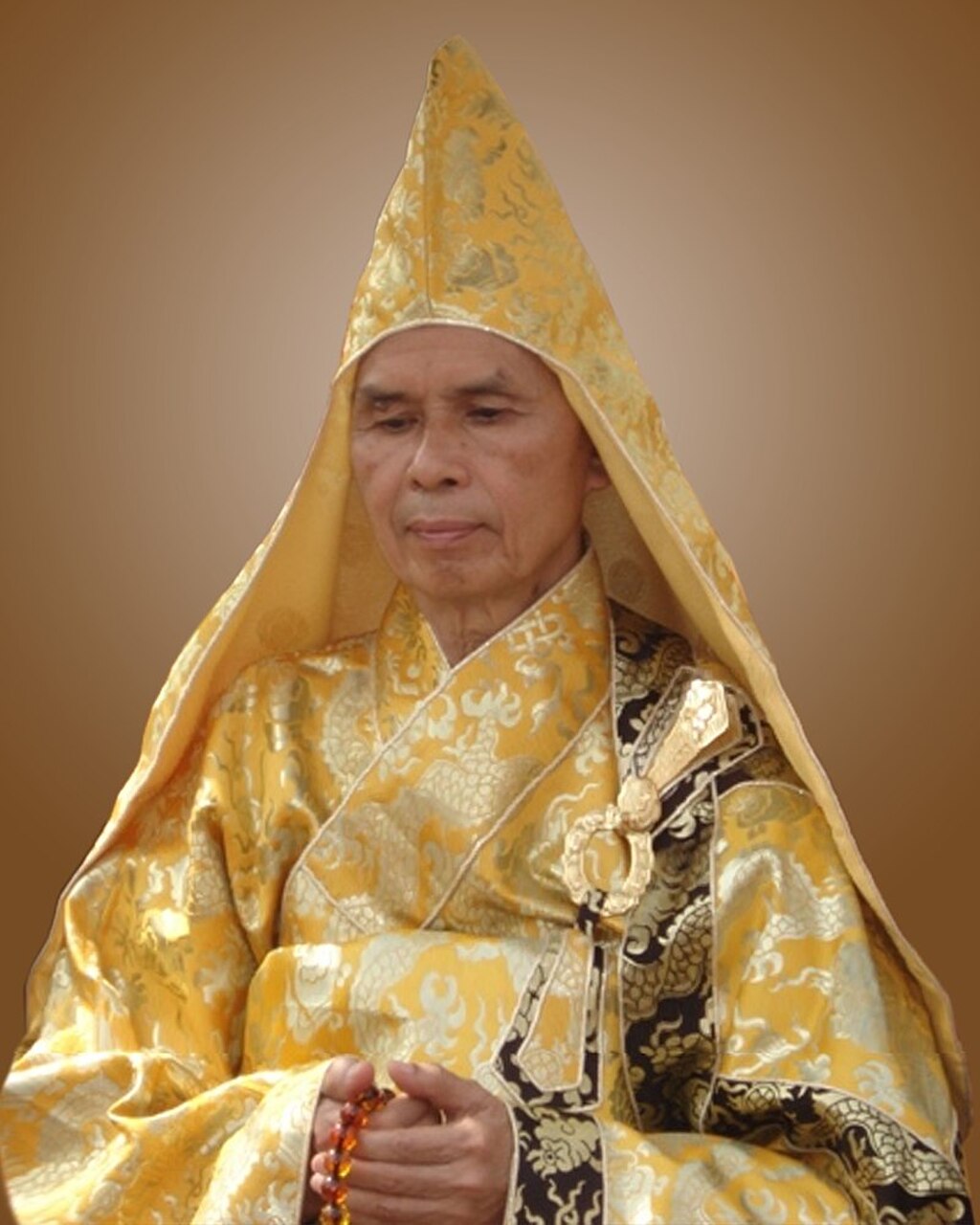
The Pursuit of Happiness: A Journey Within
Thich Nhat Hanh's assertion that "You don't have to chase after happiness. Happiness is right here" invites us to reconsider our often frantic pursuit of joy. In a world that constantly urges us to seek fulfillment in external achievements, possessions, or future plans, this statement serves as a gentle reminder that happiness is not a distant goal but a present reality. Recognizing this can shift our perspective and transform our experience of life, allowing us to cultivate a deeper sense of contentment and peace.
In this profound simplicity lies a powerful truth: happiness is not something to be chased, but rather something to be realized in the here and now. This perspective challenges the ingrained belief that happiness is contingent upon external circumstances or future events. By embracing the present moment, we can uncover the joy that resides within us, often obscured by our relentless striving and distractions. Thich Nhat Hanh's wisdom encourages us to pause, breathe, and acknowledge the beauty of our current experience, fostering a deeper connection to ourselves and the world around us.
The image / the metaphor
The imagery in Thich Nhat Hanh's quote evokes a sense of immediacy and presence. The phrase "chase after" suggests a frantic pursuit, a race against time that many of us find ourselves in. In contrast, the assertion that "happiness is right here" grounds us in the present moment, inviting us to stop running and instead, to simply be. This juxtaposition of action and stillness encapsulates the essence of mindfulness, where we learn to appreciate the richness of our current experience rather than longing for something that seems perpetually out of reach.
In the speaker's tradition
Thich Nhat Hanh's teachings are deeply rooted in the Buddhist tradition, which emphasizes the importance of mindfulness and the present moment. Central to this tradition is the concept of *dharma*, which refers to the teachings and practices that lead to enlightenment and liberation from suffering. By understanding that happiness is found in the present, we align ourselves with the essence of *dharma*, which encourages us to cultivate awareness and compassion in our daily lives. This practice of being present allows us to experience life fully, without the burdens of regret or anxiety.
Moreover, Thich Nhat Hanh's perspective resonates with the Buddhist notion of *sunyata*, or emptiness, which teaches that our perceptions of reality are often clouded by attachment and desire. By letting go of our incessant need to chase after happiness, we can begin to see the world as it truly is—impermanent and interconnected. In his book, *Peace Is Every Step*, Thich Nhat Hanh emphasizes the importance of mindfulness in transforming our relationship with ourselves and others, illustrating how the practice of being present can lead to profound inner peace and joy.
Living the teaching
Consider a modern scenario where this teaching might resonate: a busy professional, overwhelmed by deadlines and responsibilities, finds themselves constantly yearning for the weekend or the next vacation as a source of happiness. In this relentless pursuit, they may overlook the small joys present in their daily routine—moments of connection with colleagues, the satisfaction of completing a task, or the simple pleasure of a morning walk. By practicing mindfulness and recognizing that happiness can be found in these everyday experiences, they can transform their work life into a source of joy rather than a burden.
In a different context, imagine a relationship where one partner feels unfulfilled, constantly seeking validation and happiness from the other. This dynamic can create tension and dissatisfaction, as each person may feel the weight of the other's expectations. By embracing Thich Nhat Hanh's teaching, both partners can learn to cultivate their own happiness independently, fostering a deeper connection based on mutual support rather than dependency. This shift allows them to appreciate each other more fully, recognizing that true happiness arises from within and flourishes in the space of shared presence.
A reflection
As we contemplate Thich Nhat Hanh's wisdom, we are invited to reflect on our own relationship with happiness. Are we often caught in the cycle of chasing after joy, believing it lies just beyond our reach? What if we paused to explore the richness of our current experience, allowing ourselves to feel gratitude for the present moment? In this inquiry, we may discover that happiness is not a distant destination but a gentle companion, waiting for us to acknowledge its presence in our lives.


Join the BrightStar Community
Stay connected with daily inspiration, event announcements, and community wisdom