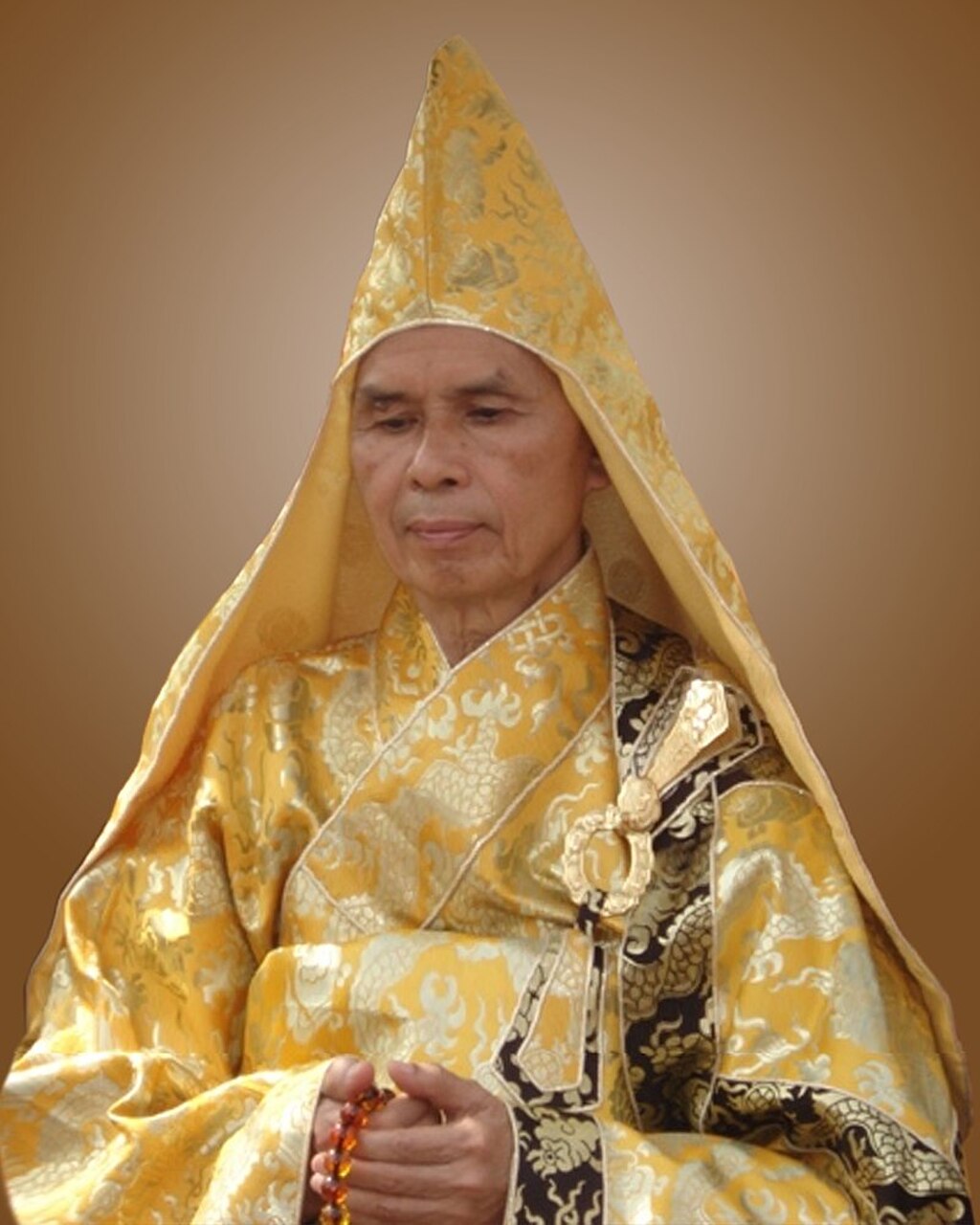
The Freedom Within Love
Thich Nhat Hanh's poignant assertion, "You must love in such a way that the person you love feels free," invites us to reconsider the nature of love itself. This statement suggests that true love is not possessive or constraining; rather, it is an expression of deep respect for the autonomy and individuality of the beloved. In a world often marked by attachment and expectation, this perspective challenges us to cultivate a love that liberates rather than confines, emphasizing the importance of freedom in our relationships.
At its core, this quote speaks to the delicate balance between affection and autonomy. Love, when genuine, should not impose limitations or create dependency; instead, it should foster an environment where both individuals can thrive. This understanding of love as a nurturing force that encourages personal growth is essential, particularly in a society that frequently conflates love with control. Thich Nhat Hanh's wisdom serves as a reminder that the essence of love lies in its ability to empower, allowing both partners to flourish as they navigate their shared journey.
The image / the metaphor
The imagery within Thich Nhat Hanh's quote evokes a sense of spaciousness and lightness. The verbs "love" and "feel free" are particularly significant; they suggest an active engagement in the practice of love that prioritizes the well-being of the other. To love in a way that allows freedom implies a dynamic relationship where both individuals are not only seen but also supported in their unique paths. This imagery conjures a vision of love as a gentle breeze that nurtures growth rather than a heavy weight that stifles it.
Diving deeper into this metaphor, we can envision love as a garden where each plant is given the space to grow in its own direction. Just as a gardener must be attentive to the needs of each plant, so too must we be mindful of our loved ones' desires and aspirations. This metaphor highlights the importance of cultivating a love that is not only generous but also discerning, recognizing that true affection involves understanding and honoring the freedom of the beloved. In this light, love becomes a practice of letting go, allowing the other to flourish without the constraints of expectation.
In the speaker's tradition
Thich Nhat Hanh's teachings are deeply rooted in the Buddhist tradition, where concepts such as *sunyata* (emptiness) and *prajna* (wisdom) play a crucial role in understanding the nature of love. In Buddhism, love is often viewed through the lens of *karuna* (compassion) and *metta* (loving-kindness), both of which emphasize the importance of selflessness and the well-being of others. The idea of *kenosis*, or self-emptying, resonates with Hanh's assertion, as it encourages individuals to release their own desires and attachments in favor of nurturing the freedom of those they love.
In his book *True Love*, Thich Nhat Hanh elaborates on the concept of love as a practice that requires mindfulness and awareness. He draws parallels between love and the Buddhist practice of *bhakti*, which emphasizes devotion and selfless love. This connection underscores the idea that love is not merely an emotion but a conscious choice and a disciplined practice that fosters both personal and relational growth. By situating his teachings within this rich tradition, Hanh invites us to explore love as a profound spiritual journey that transcends mere affection.
Living the teaching
Consider a modern scenario where this teaching might resonate: a couple navigating the complexities of their careers and personal ambitions. One partner may feel stifled by the other's expectations, leading to tension and resentment. By embracing Thich Nhat Hanh's wisdom, they can engage in open dialogue about their individual dreams and aspirations, creating a space where both partners feel empowered to pursue their paths. This practice of loving with freedom transforms the relationship into a supportive partnership, where each person can thrive without fear of losing the other.
Another application of this teaching can be found in the context of friendships. Imagine a friend who is going through a difficult time and seeks your support. While it may be tempting to offer solutions or impose your own views, true love in this situation means allowing your friend the freedom to express themselves fully. By practicing active listening and providing a safe space for their feelings, you honor their autonomy and empower them to navigate their challenges. This approach not only strengthens the bond between you but also cultivates a deeper understanding of love as a practice of freedom.
A reflection
As we contemplate Thich Nhat Hanh's profound insight, we are invited to reflect on our own relationships and the ways in which we express love. Are there areas where we may inadvertently impose limitations on those we care for? In what ways can we cultivate a love that honors the freedom and individuality of our loved ones? These questions encourage us to engage in a deeper exploration of love, prompting us to consider how we can embody the essence of freedom in our connections with others.


Join the BrightStar Community
Stay connected with daily inspiration, event announcements, and community wisdom