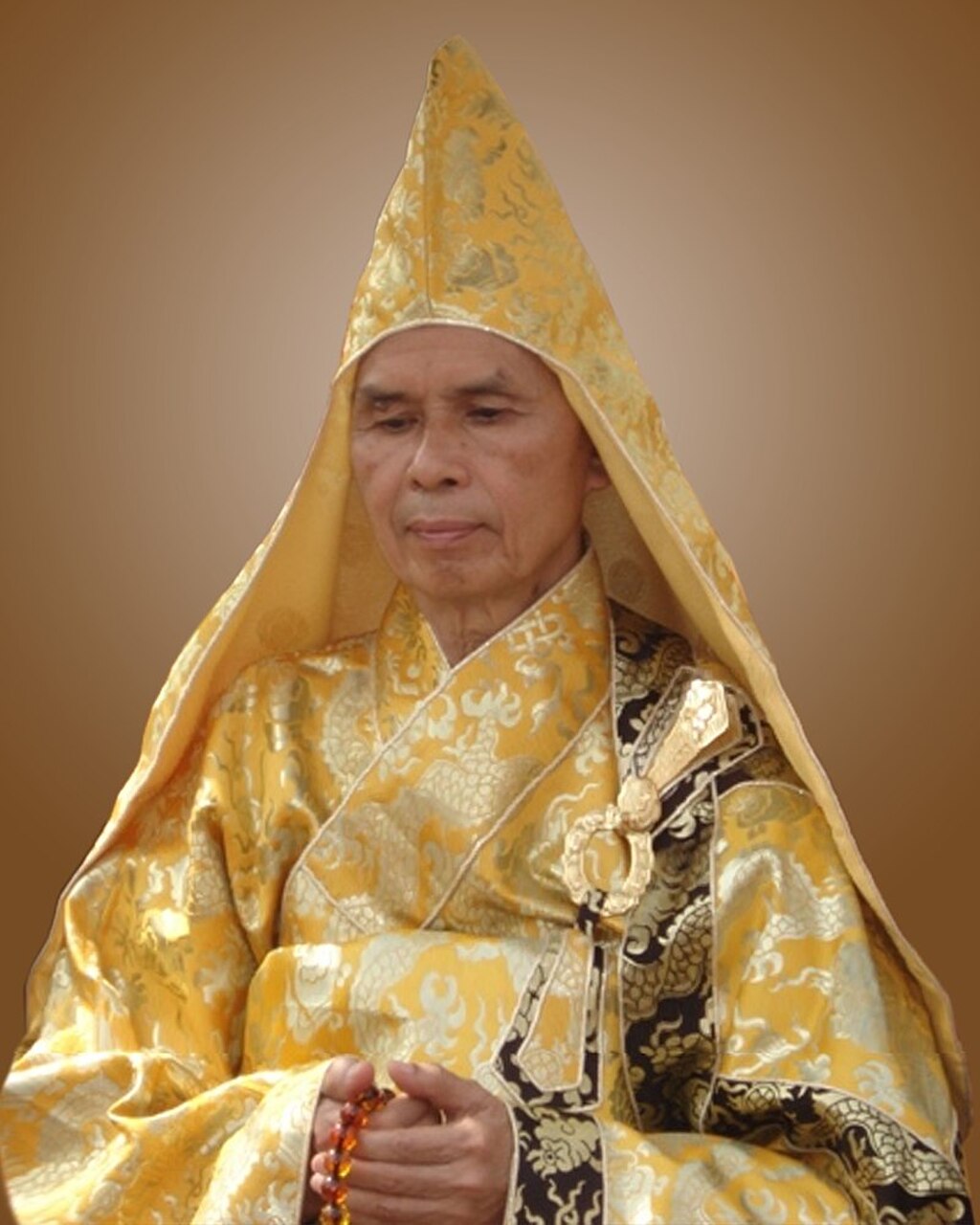
Finding Home in the Present Moment
Thich Nhat Hanh's assertion that "Your true home is in the here and the now" invites us to reconsider our relationship with time and existence. In a world often dominated by distractions and future anxieties, this quote serves as a gentle reminder that our essence resides not in the past or the future, but in the present moment. This teaching is not merely philosophical; it is a call to awaken to the richness of our immediate experience, urging us to cultivate mindfulness and presence as pathways to inner peace.
To dwell in the here and now is to embrace the fullness of life as it unfolds. It challenges the pervasive tendency to seek fulfillment in external circumstances or future achievements, suggesting instead that true contentment is found within. This perspective is particularly relevant in today's fast-paced society, where the allure of what lies ahead often overshadows the beauty of the present. By grounding ourselves in the now, we can discover a profound sense of belonging and connection to ourselves and the world around us.
The image / the metaphor
The imagery in Thich Nhat Hanh's quote evokes a sense of sanctuary and belonging. The term "home" conjures feelings of safety, warmth, and familiarity, suggesting that the present moment is a refuge from the chaos of life. The verbs "is" and "in" emphasize a state of being rather than a destination, inviting us to recognize that home is not a physical place but a state of awareness. This felt sense of home in the here and now encourages us to cultivate a deeper connection with our immediate experiences, allowing us to find solace in the simplicity of existence.
In the speaker's tradition
Thich Nhat Hanh's teaching is deeply rooted in the Buddhist tradition, particularly in the concepts of mindfulness and the nature of reality. The notion of "here and now" aligns with the Buddhist understanding of dharma, which emphasizes the importance of living in accordance with the truth of our experiences. This teaching also resonates with the concept of sunyata, or emptiness, which suggests that our perceptions of time and self are often illusory. By recognizing the transient nature of our thoughts and emotions, we can cultivate a sense of liberation and presence that allows us to experience life more fully.
In his seminal work, "Peace Is Every Step," Thich Nhat Hanh elaborates on the practice of mindfulness as a means to return to the present moment. He encourages readers to engage in simple acts—such as walking or breathing—with full awareness, transforming these mundane activities into opportunities for spiritual growth. This emphasis on the here and now echoes the teachings found in other Buddhist texts, such as the Satipatthana Sutta, which outlines the foundations of mindfulness and the importance of being present in our daily lives.
Living the teaching
Consider a modern scenario where this teaching can be applied: imagine a busy professional caught in the whirlwind of deadlines and responsibilities. In the midst of this chaos, the idea of returning to the here and now can feel like a lifeline. By taking a moment to pause, breathe, and focus on the sensations of the present—perhaps the feeling of the chair beneath them or the sounds of the environment—they can cultivate a sense of calm and clarity. This practice not only alleviates stress but also enhances their ability to engage with their work more mindfully and effectively.
In the realm of relationships, the teaching of being present can transform interactions. Picture a moment of conflict between partners, where past grievances and future worries cloud their communication. By consciously choosing to return to the present, they can listen to each other with open hearts, free from the weight of past judgments. This practice of presence fosters deeper understanding and connection, allowing love and compassion to flourish in the space between them. In both personal and professional contexts, the act of grounding oneself in the here and now can lead to more meaningful and fulfilling experiences.
A reflection
As we contemplate Thich Nhat Hanh's profound insight, we are invited to ask ourselves: "What does it mean for me to find my true home in the present moment?" This question encourages us to explore our relationship with time and presence, prompting us to consider how often we allow ourselves to be fully engaged in our lives. By reflecting on this inquiry, we can begin to uncover the layers of distraction that keep us from experiencing the richness of the here and now, ultimately guiding us toward a deeper sense of belonging and peace.




Join the BrightStar Community
Stay connected with daily inspiration, event announcements, and community wisdom