The Quiet Power of Inward Permission
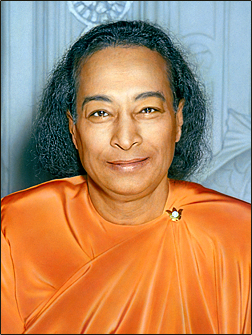
Paramahansa Yogananda's assertion that "a man of realization does not perform any miracles until he receives an inward permission" invites us to explore the profound relationship between inner authority and outward action. This statement emphasizes the necessity of aligning one's actions with a deeper, often unspoken, understanding of divine will. In a world that often equates success with visible achievements, Yogananda's words remind us that true mastery lies in the quiet surrender to a higher guidance, a theme that resonates deeply within the spiritual journey.
In this context, the notion of "inward permission" serves as a critical touchstone for understanding the dynamics of spiritual power. It suggests that the miraculous is not merely a product of personal will or ambition but rather a manifestation of divine alignment. This perspective challenges us to reconsider our motivations and the authenticity of our actions, urging us to cultivate a state of being where we are receptive to the subtle nudges of the universe. The stakes are high; without this inward permission, our efforts may lack the grace and effectiveness that come from being truly aligned with our higher selves.
The image / the metaphor
The imagery in Yogananda's quote evokes a sense of stillness and introspection. The phrase "inward permission" conjures a mental picture of a serene inner landscape, where the noise of the external world fades away, allowing for a deep connection with one's true essence. The verbs "perform" and "receive" suggest a dynamic interplay between action and receptivity, highlighting that true miracles are not forced but rather emerge from a place of profound inner clarity and consent.
In the speaker's tradition
Yogananda's teachings are deeply rooted in the rich tapestry of Hindu philosophy, where concepts such as dharma and bhakti play pivotal roles. Dharma, or one's duty aligned with cosmic order, emphasizes the importance of acting in accordance with one's true nature and the greater good. The idea of inward permission resonates with the notion of kenosis, or self-emptying, where one surrenders personal desires to allow divine will to flow through. This surrender is not a loss of self but rather a profound mastery over one's ego, leading to a more authentic expression of one's purpose.
In the Bhagavad Gita, a seminal text in Hindu thought, we find a parallel to Yogananda's assertion. Arjuna's struggle on the battlefield represents the tension between personal will and divine guidance. Krishna's counsel to Arjuna emphasizes the importance of aligning one's actions with a higher purpose, suggesting that true strength comes from surrendering to the divine will rather than acting solely from personal ambition. This timeless dialogue underscores the necessity of inward permission as a prerequisite for meaningful action.
Living the teaching
Consider a modern scenario where this teaching might resonate: a professional grappling with the decision to pursue a new career path. In the hustle of daily life, the individual may feel compelled to act based on societal expectations or personal ambition. However, if they pause to seek inward permission, they may discover a deeper calling that aligns more closely with their authentic self. This moment of reflection can transform a mere career change into a profound journey of self-discovery and fulfillment.
In the realm of relationships, the concept of inward permission can also play a significant role. Imagine a couple facing a conflict that threatens their bond. Instead of reacting impulsively, one partner might take a step back to seek inward guidance, asking what their true intentions are and how they can respond with love rather than defensiveness. This practice of reflection can lead to a more compassionate and constructive dialogue, ultimately strengthening the relationship and fostering deeper understanding.
A reflection
As we contemplate Yogananda's insight, we are invited to ask ourselves: What does it mean for me to seek inward permission before I act? This question encourages us to explore the motivations behind our actions and to cultivate a deeper awareness of the divine currents that guide our lives. In this inquiry, we may find that true mastery lies not in the miracles we perform but in the quiet moments of surrender that allow us to align with a greater purpose.


Join the BrightStar Community
Stay connected with daily inspiration, event announcements, and community wisdom