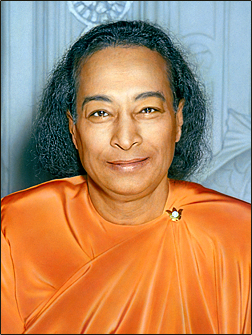
The Freedom of Non-Attachment
Paramahansa Yogananda's poignant reminder, "Always remember that you belong to no one, and no one belongs to you. Reflect that someday you will suddenly have to leave everything in this world," invites us to confront the profound truths of detachment and impermanence. In a world often defined by relationships and possessions, this quote challenges us to reconsider our attachments and the nature of belonging. It beckons us to explore the deeper essence of existence, urging us to recognize that our true nature transcends the ephemeral connections we forge in life.
In contemplating this quote, we are invited to reflect on the transient nature of our experiences and the inevitability of separation. Yogananda's words resonate with a universal truth: that all things are temporary, and our attachments can lead to suffering when we cling too tightly. This teaching serves as a gentle nudge toward a more liberated existence, one that embraces the beauty of life while acknowledging its fleeting nature. By internalizing this wisdom, we can cultivate a sense of peace and acceptance, allowing us to navigate the complexities of life with grace.
The image / the metaphor
The imagery within Yogananda's quote evokes a sense of both liberation and melancholy. The verbs "belong" and "leave" encapsulate the duality of human experience—our desire to connect and our inevitable separation. The phrase "you belong to no one" suggests a profound freedom, one that liberates us from the constraints of possessiveness and dependency. It invites us to recognize that our essence is not defined by our relationships or material possessions, but rather by our inner being, which remains untouched by external circumstances.
In the speaker's tradition
Yogananda's teachings are deeply rooted in the Hindu tradition, where concepts such as dharma, or one's duty, and sunyata, the emptiness of all phenomena, play a significant role. The notion of non-attachment, or vairagya, is central to many Hindu philosophies, encouraging individuals to engage with the world while remaining unattached to its outcomes. This teaching aligns with the practice of bhakti, or devotion, which emphasizes love and surrender to the divine, allowing one to experience connection without the burden of ownership.
In the Bhagavad Gita, a foundational text in Hindu philosophy, Lord Krishna imparts wisdom on the importance of performing one's duty without attachment to the fruits of one's actions. This principle echoes Yogananda's message, reminding us that while we may engage deeply with the world around us, our true fulfillment lies in recognizing the impermanence of all things. By embracing this understanding, we can cultivate a sense of peace and clarity, navigating life's challenges with a heart open to love yet free from the chains of attachment.
Living the teaching
Consider a modern scenario where this teaching resonates: a professional striving for success in a competitive environment. The desire for recognition and advancement can lead to a sense of belonging to one's job or status, creating stress and anxiety. By internalizing Yogananda's message, this individual can learn to engage with their work passionately while recognizing that their identity is not solely defined by their career. This shift allows for a more balanced approach, where success is celebrated, but not clung to, fostering a healthier relationship with ambition and achievement.
In the realm of personal relationships, Yogananda's teaching can be particularly transformative. Imagine a partnership where one partner feels a sense of ownership over the other, leading to feelings of suffocation and resentment. By embracing the understanding that "no one belongs to you," both individuals can cultivate a relationship based on mutual respect and freedom. This perspective encourages open communication and emotional honesty, allowing love to flourish without the constraints of possessiveness. In daily practice, this might manifest as a commitment to honoring each other's autonomy while nurturing a deep connection.
A reflection
As we contemplate Yogananda's profound words, we are invited to ask ourselves: In what areas of my life do I cling to attachments that may be hindering my growth? This question encourages a deep exploration of our relationships, possessions, and aspirations, prompting us to consider how we might cultivate a sense of freedom and acceptance. By reflecting on our attachments, we can begin to embrace the beauty of impermanence, allowing us to live more fully in the present moment while remaining open to the ever-changing nature of existence.




Join the BrightStar Community
Stay connected with daily inspiration, event announcements, and community wisdom