The Chains of Desire and Aversion: A Path to Liberation
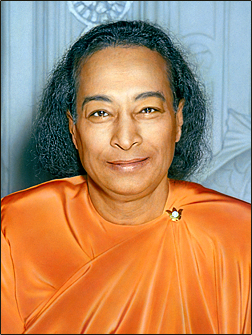
Paramahansa Yogananda profoundly states, "Aversion to the unpleasant and desire for the pleasant are two of the greatest chains by which we are bound to delusion." In this insight, he invites us to reflect on how our attachments and aversions shape our reality, often leading us away from truth and deeper understanding. The stakes are high; our emotional responses to life's experiences can either anchor us in a cycle of suffering or liberate us into a state of peace and clarity.
Yogananda's words resonate deeply in a world where the pursuit of pleasure and the avoidance of pain dominate our choices. This duality creates a framework of delusion, where we become ensnared in a web of transient desires and fears. Recognizing these chains is the first step toward spiritual awakening, allowing us to transcend the superficial layers of existence and engage with the deeper truths of our being.
The image / the metaphor
The imagery in Yogananda's quote evokes a sense of bondage, suggesting that our emotional responses to pleasure and pain are not merely reactions but rather chains that bind us. The verbs "aversion" and "desire" imply an active engagement with our experiences, where we cling to what we find enjoyable and recoil from what we deem unpleasant. This dynamic creates a cycle of attachment and aversion that obscures our perception of reality, leading us into a state of delusion.
Diving deeper into the metaphor, we can see that these chains are not physical but rather psychological and spiritual. They represent the mental constructs that dictate our responses to the world, often leading to a fragmented sense of self. By recognizing these chains, we can begin to dismantle the illusions they create, allowing for a more authentic experience of life that transcends the dualities of pleasure and pain.
In the speaker's tradition
Within the context of Hindu philosophy, Yogananda's insights align closely with the concepts of dharma and the nature of attachment. Dharma, or one's righteous duty, encourages individuals to act in accordance with their true nature rather than being swayed by fleeting desires or aversions. This perspective invites us to cultivate a sense of equanimity, where we can engage with life without being ensnared by its transient pleasures and pains.
Furthermore, the teachings of the Bhagavad Gita echo this sentiment, particularly in the idea of "samatva," or equanimity. In Chapter 2, Verse 48, Krishna advises Arjuna to perform his duty without attachment to success or failure. This principle reinforces Yogananda's assertion that liberation comes from transcending the dualities of desire and aversion, allowing us to engage with life from a place of inner peace and clarity.
Living the teaching
Consider a modern scenario where this teaching can be applied: the workplace. Many individuals find themselves caught in a cycle of seeking approval and avoiding criticism, leading to stress and anxiety. By recognizing how aversion to negative feedback and desire for praise can cloud our judgment, we can begin to approach our work with a sense of detachment. This shift allows for a more authentic engagement with our tasks, fostering creativity and collaboration rather than competition and fear.
In the realm of relationships, this teaching becomes even more poignant. Imagine a situation where a loved one has disappointed you. The immediate reaction may be one of aversion, leading to resentment and distance. However, by acknowledging this aversion as a chain that binds you to delusion, you can choose to respond with compassion and understanding. This practice of recognizing and transcending aversion not only deepens your connection with others but also cultivates a sense of inner peace that is less dependent on external circumstances.
A reflection
As we contemplate Yogananda's profound insight, we are invited to ask ourselves: What chains of desire and aversion are currently binding me to delusion? This question encourages a deep introspection, prompting us to examine our emotional responses and the motivations behind our actions. In this inquiry lies the potential for liberation, as we begin to recognize the transient nature of our desires and aversions, ultimately leading us toward a more authentic and peaceful existence.




Join the BrightStar Community
Stay connected with daily inspiration, event announcements, and community wisdom