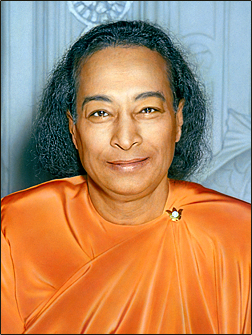
The Wisdom of Simplicity: Embracing Contentment
Paramahansa Yogananda's assertion, "Be comfortable within your purse. Extravagance will make you always uncomfortable," invites us to reflect on the nature of our desires and the true essence of contentment. In a world that often equates self-worth with material wealth, this quote serves as a gentle reminder that true comfort arises not from external possessions but from an inner sense of peace and satisfaction. The stakes are high; our pursuit of extravagance can lead to a perpetual state of discomfort, overshadowing the simple joys of life.
Yogananda's words resonate deeply in a society that frequently glorifies excess and consumption. The challenge lies in discerning between genuine needs and the insatiable cravings that lead us astray. By cultivating a sense of comfort within our means, we can foster a lifestyle rooted in simplicity and mindfulness, allowing us to experience a profound sense of fulfillment that transcends material limitations. This journey towards contentment is not merely a personal endeavor but a spiritual practice that aligns us with deeper truths about existence.
The image / the metaphor
The imagery of being "comfortable within your purse" evokes a sense of security and sufficiency. The word "purse" symbolizes not just financial resources but also the broader concept of our personal boundaries and limitations. Yogananda's choice of the verb "be" suggests a state of being rather than doing, emphasizing the importance of internal acceptance over external acquisition. This invitation to comfort implies a nurturing relationship with what we possess, urging us to find peace in our current circumstances rather than chasing after what lies beyond our reach.
In the speaker's tradition
Within the context of Yogananda's teachings, this quote aligns closely with the Hindu concepts of dharma and contentment (santosha). Dharma, or one's righteous duty, encourages individuals to live in harmony with their true nature and the world around them. By being comfortable within our means, we honor our dharma, recognizing that true fulfillment comes from living authentically rather than through the lens of societal expectations. This understanding fosters a sense of inner peace, allowing us to navigate life's challenges with grace and wisdom.
Furthermore, Yogananda's emphasis on simplicity echoes the teachings found in the Bhagavad Gita, where the pursuit of material wealth is often contrasted with the pursuit of spiritual knowledge and self-realization. In Chapter 2, Verse 47, Krishna advises Arjuna to focus on his duty without attachment to the fruits of his actions. This principle of non-attachment resonates with Yogananda's message, reminding us that true contentment arises from a deep connection to our inner selves rather than from external validations or material possessions.
Living the teaching
Consider a modern scenario where this teaching might resonate: a young professional striving for success in a competitive job market. The pressure to accumulate wealth and status can lead to a relentless pursuit of promotions, luxury items, and social validation. In this context, Yogananda's wisdom serves as a grounding force, encouraging the individual to find comfort in their current position and to appreciate the value of their work and contributions without being ensnared by the allure of extravagance. By embracing simplicity, they can cultivate a sense of fulfillment that transcends the superficial markers of success.
Another application of this teaching might arise in personal relationships. Imagine a couple navigating the complexities of modern life, where societal expectations often dictate the need for extravagant displays of love and commitment. Yogananda's message invites them to find comfort in the authenticity of their connection, prioritizing meaningful experiences over material gifts. By focusing on the depth of their relationship rather than the external trappings of romance, they can foster a bond that is rooted in genuine love and understanding, ultimately leading to a more profound sense of contentment.
A reflection
As we contemplate Yogananda's profound words, we are invited to explore our own relationship with material possessions and the pursuit of comfort. What does it mean for you to be "comfortable within your purse"? In what areas of your life do you find yourself chasing after extravagance, and how might embracing simplicity lead to a deeper sense of fulfillment? Allow these questions to guide your reflections, encouraging you to seek a more profound understanding of contentment in your own life.




Join the BrightStar Community
Stay connected with daily inspiration, event announcements, and community wisdom