The Path of Inner Honesty: A Journey to Peace
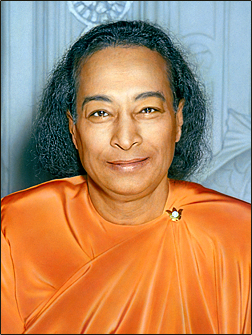
Paramahansa Yogananda invites us to engage in a profound act of self-honesty, asserting that while the world around us may thrive on deception and hypocrisy, our own truth is the gateway to inner peace. In a society often clouded by superficiality and pretense, this call to authenticity becomes not just a personal endeavor but a spiritual necessity. The stakes are high; to ignore this inner call is to remain ensnared in the chaos of external validation, ultimately leading to a disquieted spirit.
Yogananda's words resonate deeply within the human experience, urging us to confront the often uncomfortable truths that lie within. The journey toward self-honesty is not merely about acknowledging our flaws but embracing them as integral parts of our being. In doing so, we cultivate a sanctuary of peace that stands resilient against the tumultuous waves of societal expectations and norms. This inner peace, born from authenticity, becomes a beacon of light, guiding us through the complexities of life.
The image / the metaphor
At the heart of Yogananda's quote lies a vivid imagery of honesty as a road—a pathway that leads us toward tranquility. The verbs "be honest" and "find" suggest an active engagement, a conscious choice to embark on a journey rather than a passive acceptance of one's circumstances. The contrast between the world's hypocrisy and the individual's quest for truth paints a stark picture of the inner struggle many face. This metaphorical road is not always smooth; it is often fraught with obstacles, yet it is the only route that promises genuine peace.
Diving deeper into this metaphor, we can see that the road to inner peace is paved with self-knowledge and acceptance. Each step taken in honesty is a step away from the cacophony of external influences and toward the serene landscape of the self. In this journey, we learn that honesty is not merely the absence of deceit but the presence of clarity and understanding. It is a transformative process that reshapes our perception of ourselves and the world, allowing us to navigate life with a sense of purpose and authenticity.
In the speaker's tradition
Paramahansa Yogananda's teachings are deeply rooted in the rich tradition of Hindu philosophy, where concepts such as dharma (righteousness) and prajna (wisdom) play pivotal roles. The call to honesty aligns with the principle of dharma, which emphasizes living in accordance with one's true nature and purpose. In this context, self-honesty becomes a form of spiritual practice, a means of aligning oneself with the greater cosmic order. Yogananda's emphasis on inner peace reflects the Hindu understanding of the self as interconnected with the universe, where clarity of purpose leads to harmony.
In the Bhagavad Gita, a foundational text in Hindu philosophy, the dialogue between Arjuna and Krishna illustrates the importance of self-awareness and honesty in fulfilling one's duty. Krishna guides Arjuna to recognize his true self beyond the illusions of the material world, urging him to act in accordance with his inner truth. This timeless wisdom echoes Yogananda's message, reminding us that the path to peace is paved with self-knowledge and the courage to embrace our authentic selves.
Living the teaching
Consider a modern scenario where this teaching resonates: a professional grappling with the pressure to conform to workplace norms that clash with their values. In such a situation, the choice to be honest with oneself about one's beliefs and aspirations can lead to a transformative decision—whether to advocate for change within the organization or to seek a new path that aligns more closely with one's authentic self. This act of self-honesty not only fosters personal integrity but also opens the door to a more fulfilling career, ultimately leading to a sense of peace that transcends external validation.
In the realm of relationships, Yogananda's teaching on honesty can manifest in the way we communicate with loved ones. Imagine a moment of conflict where one partner feels unheard or misunderstood. By choosing to express their true feelings honestly, rather than masking them with pretense, they create an opportunity for deeper connection and understanding. This practice of vulnerability not only strengthens the bond between partners but also cultivates an environment where both individuals can thrive in their authenticity, paving the way for a more peaceful coexistence.
A reflection
As we contemplate Yogananda's profound words, we are invited to reflect on our own lives: What truths have we been avoiding in our quest for acceptance or approval? In what ways can we embrace our authentic selves to foster a deeper sense of peace within? This inquiry not only challenges us to confront our inner landscapes but also encourages us to embark on a journey toward self-discovery, where honesty becomes the compass guiding us toward tranquility.




Join the BrightStar Community
Stay connected with daily inspiration, event announcements, and community wisdom