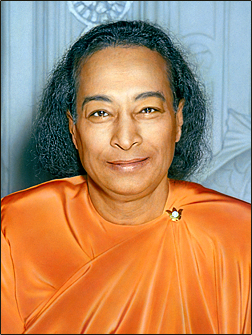
Seeing the Divine in Every Face
Paramahansa Yogananda invites us to immerse ourselves in the profound love of God, suggesting that this divine love allows us to recognize the essence of the Father in every person we encounter. This quote emphasizes the transformative power of love, urging us to look beyond superficial differences and see the shared light that connects us all. In a world often divided by conflict and misunderstanding, this perspective becomes not just a spiritual aspiration but a vital necessity for fostering compassion and unity.
By encouraging us to feel the love of God, Yogananda highlights the importance of internal experience as a precursor to external perception. This love is not merely an abstract concept; it is a palpable force that can reshape our interactions and perceptions. When we cultivate this divine love within ourselves, we begin to perceive the inherent dignity and worth in every individual, allowing us to transcend the barriers that often separate us from one another.
The image / the metaphor
The imagery in Yogananda's quote is rich and evocative, suggesting a deep, almost mystical connection between the divine and humanity. The phrase "feel the love of God" implies an experiential engagement, urging us to immerse ourselves in this love rather than merely intellectualize it. The subsequent assertion that we will see "the face of the Father" in every person evokes a sense of unity and interconnectedness, where each individual reflects a fragment of the divine light.
Diving deeper into the metaphor, we can understand that seeing the "light of love" in others requires a shift in perception. It calls for an awakening to the divine essence that resides within every being, a recognition that transcends the physical and emotional layers that often cloud our vision. This perspective invites us to practice seeing others not just as separate entities but as manifestations of the same divine source, fostering a sense of oneness that is both liberating and transformative.
In the speaker's tradition
Within the context of Yogananda's teachings, this quote resonates with the core principles of bhakti, or devotional love, which emphasizes the importance of love and surrender to God. In Hindu philosophy, the concept of oneness is often articulated through the idea of Brahman, the ultimate reality that pervades all existence. Yogananda's message aligns with the notion of dharma, where recognizing the divine in others becomes a moral imperative, guiding our actions and interactions in the world.
Furthermore, this teaching echoes the wisdom found in texts such as the Bhagavad Gita, where the interconnectedness of all beings is emphasized. In Chapter 5, verse 18, it is stated that the wise see all beings with equal vision, recognizing the divine essence within each. This perspective not only enriches our spiritual journey but also serves as a foundation for compassionate action in our daily lives.
Living the teaching
Consider a modern scenario where this teaching can be applied: imagine walking through a crowded city street, surrounded by diverse faces, each with their own stories and struggles. If we take a moment to consciously feel the love of God within ourselves, we may begin to see beyond the rush and anonymity of urban life. Instead of viewing others as mere passersby, we can recognize them as fellow travelers on the journey of life, each carrying a spark of the divine that deserves acknowledgment and respect.
In a more personal context, this teaching can profoundly impact our relationships. During a disagreement with a loved one, instead of focusing on the conflict, we can pause to remember the divine light that resides within them. By choosing to see their humanity and the love that connects us, we can approach the situation with empathy and understanding, transforming potential discord into an opportunity for deeper connection and healing.
A reflection
As we contemplate Yogananda's profound invitation to feel the love of God and recognize it in others, we might ask ourselves: How can I cultivate a deeper awareness of the divine presence in those around me? This question encourages us to reflect on our daily interactions and consider how we can embody this teaching in our lives, fostering a sense of unity and love that transcends our differences.




Join the BrightStar Community
Stay connected with daily inspiration, event announcements, and community wisdom