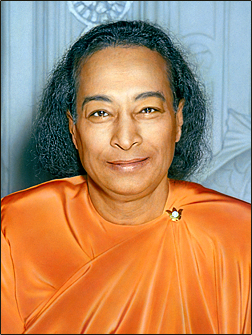
The Weight of Grievance: A Path to Liberation
Paramahansa Yogananda's poignant observation, "Holding a grievance is like drinking poison and expecting the other person to die," encapsulates the profound psychological and spiritual burden that resentment imposes on the individual. This metaphor starkly illustrates how clinging to grievances not only harms our emotional well-being but also shackles us to the very pain we wish to escape. The stakes are high: to remain in a state of grievance is to forfeit our freedom, joy, and inner peace, all in the futile hope that our suffering will somehow affect another.
In a world where interpersonal conflicts are inevitable, Yogananda's wisdom serves as a clarion call for self-awareness and transformation. The act of holding onto grievances can become a habitual response, one that entraps us in cycles of negativity and bitterness. By recognizing the futility of this behavior, we open ourselves to the possibility of forgiveness, which is not merely an act of kindness toward others but a profound gift we give to ourselves. In this light, the journey toward forgiveness becomes a sacred path toward liberation and healing.
The image / the metaphor
The imagery in Yogananda's quote is striking and visceral. To "drink poison" evokes a sense of self-inflicted harm, suggesting that the act of holding a grievance is not an external affliction but an internal one. The verbs chosen—"holding" and "drinking"—imply an active engagement with our pain, as if we are nurturing it, allowing it to seep into our very being. This vivid metaphor invites us to consider the consequences of our emotional choices, urging us to confront the reality that our grievances do not affect the person we resent but rather corrode our own spirit.
Diving deeper into this metaphor, we can see that the poison represents the toxic emotions that arise from unresolved conflicts—anger, bitterness, and resentment. These emotions can cloud our judgment and distort our perception of reality, leading us to believe that our suffering is justified and that the other person is to blame. Yet, in truth, it is we who suffer the most from our unwillingness to let go. The metaphor serves as a reminder that the act of forgiveness is not about condoning the actions of others but about liberating ourselves from the chains of our own making.
In the speaker's tradition
Paramahansa Yogananda's teachings are deeply rooted in the spiritual tradition of Hinduism, which emphasizes the importance of dharma, or righteous living. The concept of dharma encourages individuals to act in accordance with their true nature and to cultivate virtues such as compassion and forgiveness. In this context, holding a grievance can be seen as a deviation from one's dharma, leading to a dissonance that affects not only the individual but also the broader community. By embracing forgiveness, we align ourselves with the principles of dharma, fostering harmony within ourselves and with others.
Moreover, Yogananda's insights resonate with the concept of *sunyata*, or emptiness, found in Buddhist philosophy, which parallels the Hindu understanding of detachment. Just as *sunyata* teaches that clinging to attachments leads to suffering, Yogananda's quote underscores the necessity of releasing grievances to attain inner peace. In the Bhagavad Gita, Lord Krishna advises Arjuna to rise above dualities and to act without attachment to the fruits of his actions. This wisdom echoes Yogananda's call to let go of grievances, inviting us to embrace a more expansive, liberated way of being.
Living the teaching
Consider a modern scenario where this teaching can be applied: a workplace conflict where two colleagues have a disagreement. One colleague may feel wronged and harbor resentment, believing that their grievances will somehow compel the other to change their behavior. However, as Yogananda suggests, this approach only serves to poison their own experience, leading to stress and unhappiness. By recognizing the futility of this grievance and choosing to engage in open dialogue or even forgiveness, the individual can reclaim their emotional well-being and foster a more positive work environment.
In a more personal context, imagine a relationship strained by past hurts. One partner may hold onto grievances from previous arguments, allowing these unresolved feelings to fester and cloud their interactions. By consciously choosing to forgive, they can break the cycle of resentment and create space for healing and connection. This act of forgiveness not only liberates them from the emotional burden but also invites a renewed sense of intimacy and trust into the relationship, illustrating the transformative power of Yogananda's teaching.
A reflection
As we contemplate Yogananda's profound insight, we are invited to reflect on our own lives: What grievances are we holding onto that may be poisoning our spirit? In what ways can we begin to release these burdens and embrace the freedom that forgiveness offers? This question serves as a gentle nudge toward self-examination, encouraging us to embark on a journey of healing and liberation, ultimately leading us to a more peaceful existence.




Join the BrightStar Community
Stay connected with daily inspiration, event announcements, and community wisdom