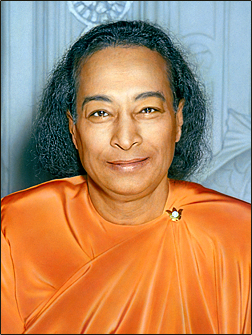
The Choice of Happiness: A Journey Within
Paramahansa Yogananda's profound assertion, "If you want to be sad, no one in the world can make you happy. But if you make up your mind to be happy, no one and nothing on earth can take that happiness from you," invites us to explore the intricate relationship between our internal state and external circumstances. At its core, this quote emphasizes the power of choice in shaping our emotional landscape. It suggests that happiness is not merely a reaction to the world around us but rather a conscious decision that resides within us, waiting to be embraced.
This teaching resonates deeply in a world often dominated by external influences that can sway our moods and perceptions. Yogananda's words remind us that while sadness can feel all-consuming, it is ultimately a state we can choose to transcend. The essence of this message is not to dismiss the reality of suffering but to empower us with the understanding that our happiness is a product of our willpower and mindset. In recognizing this, we reclaim agency over our emotional well-being, a vital step toward spiritual growth and fulfillment.
The image / the metaphor
In Yogananda's quote, the imagery of choice is striking. The phrase "If you want to be sad" evokes a sense of agency, suggesting that sadness can be a deliberate choice, much like happiness. The verbs "make up your mind" and "take that happiness from you" convey a dynamic interplay between internal resolve and external forces. This imagery encapsulates the struggle many face: the tension between external circumstances and the internal landscape of the heart and mind.
Diving deeper into the metaphor, we see that happiness is portrayed as a fortress, impervious to the storms of life when we choose to inhabit it. The idea that "no one and nothing on earth can take that happiness from you" speaks to the resilience of the spirit. It suggests that true happiness is not contingent upon fleeting moments or external validation but is instead a steadfast state of being that we cultivate through our choices and intentions.
In the speaker's tradition
Paramahansa Yogananda's teachings are deeply rooted in the rich tradition of Hindu philosophy, which emphasizes the importance of self-realization and the pursuit of inner peace. Concepts such as dharma, or one's righteous duty, and bhakti, the path of devotion, are integral to understanding how happiness can be a conscious choice. Yogananda's perspective aligns with the notion of kenosis, the self-emptying of the ego, allowing for a deeper connection to the divine and a more profound experience of joy that transcends worldly attachments.
In the Bhagavad Gita, a foundational text of Hinduism, Lord Krishna imparts wisdom about the nature of the self and the importance of maintaining equanimity in the face of life's dualities. The Gita teaches that true happiness arises from aligning with one's higher purpose and remaining detached from the fruits of one's actions. This echoes Yogananda's assertion that happiness is an internal state, cultivated through conscious choice rather than external validation.
Living the teaching
Consider a modern scenario where this teaching can be applied: a person facing a challenging work environment filled with negativity and stress. In such a situation, it is easy to succumb to feelings of frustration and sadness, allowing external circumstances to dictate emotional well-being. However, by embracing Yogananda's wisdom, this individual can consciously choose to focus on gratitude, seek joy in small victories, and cultivate a positive mindset, thereby transforming their experience and reclaiming their happiness.
Another application of this teaching can be found in personal relationships. Imagine a friendship that has soured due to misunderstandings and conflicts. Instead of allowing the sadness of the situation to dominate, one can choose to approach the relationship with compassion and understanding. By making a conscious decision to foster forgiveness and open communication, the individual not only enhances their own happiness but also creates the potential for healing and renewal in the relationship.
A reflection
As we contemplate Yogananda's profound words, we are invited to reflect on our own lives: What choices are we making that either enhance or diminish our happiness? In moments of sadness or discontent, how can we shift our perspective to reclaim our inner joy? This contemplative inquiry encourages us to explore the depths of our own willpower and the transformative potential of our choices, guiding us toward a more fulfilling and joyful existence.


Join the BrightStar Community
Stay connected with daily inspiration, event announcements, and community wisdom