Creating a Sacred Space Within
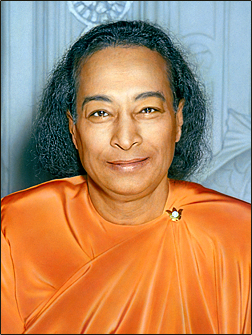
Paramahansa Yogananda invites us to consider the profound significance of our lives when he states, "Make your life a temple worthy of an Infinite Guest." This quote urges us to cultivate our existence as a sacred space, one that reflects the divine presence we seek. In a world often filled with distractions and superficial pursuits, this call to elevate our lives to a higher standard resonates deeply, reminding us of the inherent divinity within ourselves and the potential for spiritual growth.
To live as if our lives are temples is to acknowledge the sacredness of our being and the presence of the divine in every moment. It challenges us to reflect on how we treat ourselves and others, and how we engage with the world around us. By embodying this teaching, we can transform our everyday experiences into opportunities for spiritual connection, allowing us to honor the Infinite Guest that resides within and around us.
The image / the metaphor
The imagery of a temple evokes a sense of reverence and sanctity. Temples are traditionally places of worship, reflection, and communion with the divine. By likening our lives to a temple, Yogananda emphasizes the importance of creating an environment that is not only welcoming but also reflective of our highest ideals. The choice of the word "worthy" suggests a standard we must strive for, one that requires intention and dedication to cultivate a life that honors the divine presence.
Diving deeper into this metaphor, we can see that a temple is not merely a physical structure; it embodies the qualities of purity, devotion, and service. It is a space where the mundane meets the sacred, where the ordinary is transformed into the extraordinary. By viewing our lives through this lens, we are encouraged to infuse our daily actions with mindfulness and purpose, recognizing that every moment can be an offering to the Infinite Guest.
In the speaker's tradition
Paramahansa Yogananda's teachings are deeply rooted in the spiritual traditions of Hinduism, particularly the concepts of dharma and bhakti. Dharma, the moral and ethical duty that guides our actions, aligns with the idea of making our lives a temple. It calls us to live in accordance with our highest values, ensuring that our actions reflect our spiritual aspirations. Bhakti, or devotion, further enriches this understanding, as it emphasizes the importance of love and surrender to the divine, transforming our lives into acts of worship.
In the Bhagavad Gita, a foundational text in Hindu philosophy, Krishna speaks to Arjuna about the significance of selfless action and devotion. This aligns with Yogananda's message, as both emphasize the need to elevate our lives through conscious choices and a heart open to the divine. By integrating these teachings, we can cultivate a life that not only honors our own spiritual journey but also serves as a beacon of light for others.
Living the teaching
Consider a modern scenario where this teaching can be applied: a busy professional navigating the demands of work and personal life. In the hustle and bustle of daily responsibilities, it is easy to lose sight of the sacredness of our existence. However, by consciously choosing to approach each task—whether it be a meeting, a conversation, or even a mundane chore—as an opportunity to honor the divine, we can transform our work environment into a temple of purpose and intention.
A reflection
As we contemplate Yogananda's profound invitation, we might ask ourselves: "In what ways can I elevate my daily life to honor the sacredness within me and around me?" This question invites us to reflect on our choices, our interactions, and our intentions, encouraging us to create a life that truly embodies the essence of a temple. By engaging with this inquiry, we open ourselves to the possibility of transformation, allowing the Infinite Guest to dwell within our hearts and guide our actions.




Join the BrightStar Community
Stay connected with daily inspiration, event announcements, and community wisdom