The Pathway to Dreams: Crafting Clarity in Our Aspirations
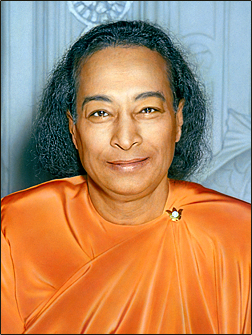
Paramahansa Yogananda poignantly observes that countless individuals have faltered in their pursuit of dreams due to a lack of a definitive plan. This statement resonates deeply in a world where aspirations often remain unfulfilled, not because of a lack of desire, but due to the absence of a structured approach. The stakes are high; without a clear roadmap, dreams can dissolve into mere wishes, leaving us adrift in a sea of unactualized potential.
In a society that celebrates ambition yet often overlooks the importance of methodical planning, Yogananda's insight serves as a gentle reminder of the necessity for clarity and intention. Dreams, while ethereal and inspiring, require the scaffolding of actionable steps to transform them into reality. This interplay between aspiration and strategy is not merely a practical concern; it is a spiritual journey that invites us to align our inner visions with the outer world through conscious effort and thoughtful planning.
The image / the metaphor
The imagery in Yogananda's quote evokes a sense of urgency and responsibility. The phrase "clear-cut plan" suggests a well-defined path, one that is not only visible but also navigable. The verbs "have failed" and "to follow" imply a journey that is both personal and collective, highlighting the shared human experience of striving for dreams. This metaphor of a pathway underscores the importance of direction in our lives; without it, we risk wandering aimlessly, missing the opportunities that lie before us.
Diving deeper into the metaphor, we can envision dreams as seeds that require nurturing and a conducive environment to flourish. A clear-cut plan acts as the fertile soil, providing the necessary conditions for growth. Just as a gardener must tend to their plants with care and intention, so too must we cultivate our dreams with a structured approach. This metaphor invites us to consider not only what we wish to achieve but also how we can actively engage in the process of realization.
In the speaker's tradition
Paramahansa Yogananda's teachings are deeply rooted in the rich soil of Hindu philosophy, where concepts such as dharma and karma play pivotal roles in shaping our paths. Dharma, or one's duty and purpose, aligns closely with the idea of having a clear plan; it encourages individuals to understand their unique roles in the tapestry of life. When we embrace our dharma, we are better equipped to formulate actionable steps that resonate with our deepest aspirations, thus harmonizing our inner and outer worlds.
Moreover, Yogananda's emphasis on clarity can be likened to the Buddhist concept of sunyata, or emptiness, which invites us to clear our minds of distractions and illusions. In this state of clarity, we can discern our true desires and the steps necessary to achieve them. The Bhagavad Gita, a foundational text in Hindu philosophy, echoes this sentiment, urging individuals to act with intention and purpose, thereby transforming their dreams into reality through disciplined action.
Living the teaching
Consider a modern scenario where an individual aspires to start a business. Without a clear-cut plan, this dream may remain just that—a dream. The person might feel overwhelmed by the myriad of tasks involved, from market research to financial planning, leading to inaction. However, by breaking down the dream into manageable steps and creating a structured approach, they can navigate the complexities of entrepreneurship with confidence and clarity, ultimately bringing their vision to life.
This teaching also finds relevance in personal relationships. Imagine someone yearning for deeper connections but feeling lost in the chaos of daily life. By establishing a clear plan to nurture relationships—setting aside dedicated time for loved ones, engaging in meaningful conversations, and practicing active listening—they can transform their interactions. This intentionality fosters a deeper bond, illustrating how a clear-cut plan can enhance not only personal aspirations but also the quality of our relationships.
A reflection
As we contemplate Yogananda's wisdom, we are invited to reflect on our own lives: What dreams have we allowed to languish due to a lack of planning? In what ways can we cultivate clarity and intention to breathe life into our aspirations? This inquiry encourages us to take a step back, assess our desires, and consider the actionable steps we can take to align our dreams with our daily lives.




Join the BrightStar Community
Stay connected with daily inspiration, event announcements, and community wisdom