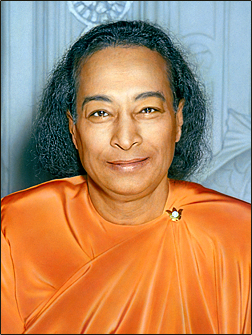
Awakening from the Mechanical Dream
Paramahansa Yogananda's assertion that "Millions of people never analyze themselves. Mentally they are mechanical products of the factory of their environment" invites us to reflect on the profound implications of self-awareness. In a world where external influences shape our thoughts and behaviors, the call to introspection becomes a vital endeavor. This quote underscores the importance of breaking free from the automatic responses dictated by our surroundings, urging us to embark on a journey of self-discovery and authenticity.
Yogananda's words resonate deeply in our contemporary context, where the pace of life often leaves little room for self-reflection. The mechanical existence he describes is not merely a critique of societal norms but a poignant reminder of the spiritual stagnation that can ensue when we fail to engage with our inner lives. As we navigate the complexities of modern existence, the necessity of self-analysis emerges as a pathway to liberation, inviting us to reclaim our agency and cultivate a deeper understanding of our true selves.
The image / the metaphor
The imagery in Yogananda's quote evokes a powerful metaphor of human existence as a factory assembly line, where individuals are produced en masse, shaped by the relentless forces of their environment. The term "mechanical products" suggests a lack of agency, as if people are mere cogs in a machine, responding to stimuli without conscious thought. This metaphor paints a stark picture of a life lived on autopilot, devoid of the richness that comes from self-awareness and intentionality.
Diving deeper into this metaphor, we can see the implications of being "mechanical" extend beyond mere behavior; they touch upon the essence of our identity. When we allow ourselves to be molded by external factors—be it societal expectations, cultural norms, or familial pressures—we risk losing touch with our authentic selves. Yogananda's call to self-analysis serves as an invitation to dismantle this factory-like existence, encouraging us to engage in a process of introspection that reveals the unique essence of who we are beyond the conditioning of our environment.
In the speaker's tradition
Within the context of Hindu philosophy, Yogananda's insights align closely with concepts such as dharma and self-realization. Dharma, often understood as one's duty or righteous path, requires a deep understanding of oneself and one's place in the universe. To live in accordance with one's dharma necessitates a level of self-awareness that transcends the mechanical existence Yogananda critiques. This self-awareness is not merely an intellectual exercise but a spiritual practice that leads to a more profound connection with the divine and the world around us.
Moreover, Yogananda's emphasis on self-analysis resonates with the teachings found in the Bhagavad Gita, where the importance of self-inquiry and discernment is highlighted. In Chapter 6, for instance, Krishna speaks of the need for self-control and the cultivation of a disciplined mind. This discipline is essential for transcending the limitations imposed by our environment and realizing our true nature, which is inherently divine. Yogananda's call to awaken from the mechanical dream is thus deeply rooted in the spiritual quest for self-realization that is central to Hindu thought.
Living the teaching
Consider a modern scenario where an individual finds themselves caught in the whirlwind of societal expectations—perhaps a young professional who feels pressured to conform to a corporate culture that values productivity over personal fulfillment. In such a context, Yogananda's teaching becomes a lifeline, prompting the individual to pause and reflect on their motivations and desires. By engaging in self-analysis, they may uncover a longing for creativity and connection that has been overshadowed by the mechanical demands of their environment, leading them to seek a more authentic path.
A reflection
As we contemplate Yogananda's profound observation, we are invited to engage in a moment of introspection: What aspects of my life are influenced by external conditioning, and how can I cultivate a deeper awareness of my true self? This question serves as a guiding light on the path of self-discovery, encouraging us to explore the layers of our identity that may have been obscured by the mechanical patterns of our environment. In this exploration, we may find the keys to unlocking a more authentic and fulfilling existence.


Join the BrightStar Community
Stay connected with daily inspiration, event announcements, and community wisdom