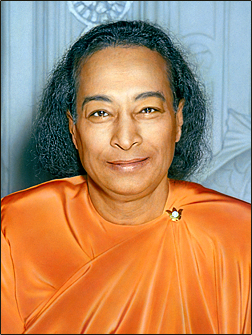
The Heart of Sincerity: Embracing Imperfection in Divine Love
Paramahansa Yogananda's profound assertion, "Never count your faults. Just see that your love for God is deeply sincere. For God does not mind your imperfections; He minds your indifference," invites us to shift our focus from self-criticism to the purity of our intentions. In a world often preoccupied with perfectionism, this wisdom serves as a gentle reminder that our relationship with the divine is not contingent upon our flaws but rather on the authenticity of our love. This perspective is crucial, as it liberates us from the shackles of self-doubt and encourages a more compassionate engagement with our spiritual journey.
Yogananda's words resonate deeply within the human experience, urging us to cultivate a sincere heart rather than a fault-finding mind. The essence of this teaching lies in recognizing that our imperfections are part of the human condition, and they do not diminish our worthiness of divine love. Instead of becoming mired in guilt or shame over our shortcomings, we are invited to embrace a heartfelt devotion that transcends our flaws. This shift in focus not only fosters a more profound connection with God but also nurtures a sense of inner peace and acceptance.
The image / the metaphor
The imagery in Yogananda's quote evokes a sense of liberation from the burdens of self-judgment. The phrase "never count your faults" suggests a deliberate choice to turn away from the habit of self-scrutiny, which can often lead to despair. Instead, he encourages us to concentrate on the sincerity of our love for God, which serves as a guiding light in our spiritual practice. The verbs chosen—"count," "see," and "mind"—imply an active engagement with our inner lives, urging us to cultivate awareness and intention rather than mere observation.
Diving deeper into the metaphor, we find that the act of "seeing" our love for God is an invitation to experience a profound connection that transcends the superficiality of our perceived faults. This perspective aligns with the concept of bhakti, or devotional love, which emphasizes the importance of heartfelt devotion over ritualistic perfection. By focusing on our sincere love, we can cultivate a relationship with the divine that is rich and fulfilling, allowing us to experience grace in our imperfections rather than shame.
In the speaker's tradition
Within the context of Yogananda's teachings, this quote reflects the essence of bhakti yoga, which emphasizes devotion as a path to spiritual realization. The notion that God does not mind our imperfections speaks to the concept of kenosis, or self-emptying, where one surrenders the ego and embraces a deeper connection with the divine. This aligns with the Hindu understanding of dharma, where one's duty is to cultivate love and sincerity in all actions, regardless of personal flaws. Yogananda's perspective encourages us to engage with our spiritual path authentically, fostering a relationship with God that is rooted in love rather than fear.
Moreover, this teaching resonates with the Bhagavad Gita, where Lord Krishna emphasizes the importance of sincere devotion over ritualistic adherence. In Chapter 9, Verse 26, Krishna states, "If one offers me with love and devotion a leaf, a flower, fruit, or water, I will accept it." This reinforces the idea that the quality of our love and intention is far more significant than the perfection of our actions, inviting us to approach our spiritual practice with an open heart.
Living the teaching
Consider a modern scenario where this teaching can be applied: a person grappling with feelings of inadequacy in their spiritual practice. They may find themselves overwhelmed by the perceived need to achieve a certain level of perfection in meditation or prayer. By embracing Yogananda's wisdom, they can shift their focus from self-criticism to the sincerity of their intentions, recognizing that their genuine desire to connect with the divine is what truly matters. This shift can transform their practice into a source of joy and fulfillment rather than a burden of expectation.
In relationships, this teaching can also serve as a powerful reminder. Imagine a couple facing challenges, where one partner feels inadequate due to past mistakes. By embodying the spirit of Yogananda's quote, they can cultivate a deeper understanding of each other's imperfections, focusing on the sincerity of their love rather than the weight of their faults. This approach fosters compassion and healing, allowing both partners to grow together in their journey of love.
A reflection
As we contemplate Yogananda's profound words, we are invited to reflect on the sincerity of our own love for the divine. Are we allowing our imperfections to cloud our connection with God, or are we embracing our flaws as part of our unique journey? In this moment of reflection, consider this question: How can you cultivate a deeper sincerity in your relationship with the divine, allowing love to flourish in the midst of imperfection?




Join the BrightStar Community
Stay connected with daily inspiration, event announcements, and community wisdom