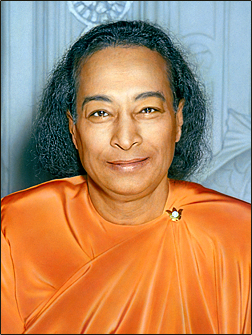
The Dance of Light and Shadow: Embracing Life's Cycles
In the words of Paramahansa Yogananda, "Never lose hope. Storm clouds pass. Sun always follows the rain. The beauty of life lies in the alternation of sunshine and shadow." This poignant reminder speaks to the inherent duality of existence, where moments of despair and joy coexist, shaping our journey. The essence of this teaching is not merely to endure the storms of life but to recognize that they are transient, paving the way for the light that inevitably follows. In a world often clouded by uncertainty, this message resonates deeply, urging us to cultivate resilience and maintain hope amidst adversity.
Yogananda's wisdom invites us to reflect on the cyclical nature of our experiences. Just as the weather shifts, so too do our emotional landscapes. The interplay of light and dark is not only a physical phenomenon but a metaphor for the human condition. By acknowledging the inevitability of both joy and sorrow, we can foster a deeper appreciation for the richness of life. This understanding encourages us to embrace our challenges as integral parts of our spiritual growth, ultimately leading us toward a more profound sense of peace and fulfillment.
The image / the metaphor
The imagery in Yogananda's quote evokes a vivid landscape where storm clouds symbolize turmoil and uncertainty, while the sun represents hope and clarity. The verbs chosen—"lose," "pass," and "follows"—convey a sense of movement and transformation. This dynamic interplay between light and shadow captures the essence of life's journey, where each experience, whether joyous or painful, contributes to our overall narrative. The beauty lies not only in the sunlit moments but also in the lessons learned during the storms.
Diving deeper into the metaphor, we find that the storm clouds serve as a reminder of the temporary nature of our struggles. Just as weather patterns shift, so too do our emotional states. The sun that follows the rain symbolizes renewal and rebirth, suggesting that after every hardship, there is an opportunity for growth and healing. This cyclical process invites us to cultivate patience and trust in the unfolding of our lives, recognizing that both sunshine and shadow are essential to the tapestry of existence.
In the speaker's tradition
Paramahansa Yogananda's teachings are deeply rooted in the spiritual tradition of Hinduism, where concepts such as dharma and bhakti illuminate the path toward understanding life's dualities. Dharma, or one's righteous duty, encourages individuals to navigate their challenges with integrity and purpose. Meanwhile, bhakti, the path of devotion, invites us to surrender to a higher power, fostering a sense of trust that transcends our immediate circumstances. Yogananda's message aligns with these principles, urging us to embrace hope and resilience as we fulfill our dharma amidst life's inevitable ups and downs.
A relevant text that echoes this sentiment is the Bhagavad Gita, where Lord Krishna advises Arjuna to remain steadfast in his duty, despite the chaos surrounding him. The Gita teaches that life is a battlefield of emotions and experiences, and it is through our commitment to our path that we find clarity and strength. Yogananda's quote resonates with this timeless wisdom, reminding us that even in the face of adversity, we can find solace in the knowledge that the sun will shine again.
Living the teaching
Consider a modern scenario where this teaching can be applied: a person facing job loss. The initial shock and despair may feel overwhelming, akin to storm clouds obscuring the horizon. However, by embracing Yogananda's message, this individual can cultivate hope, recognizing that this moment of uncertainty is temporary. As they navigate the job market, they may discover new opportunities that align more closely with their passions and values, ultimately leading to a brighter future.
A reflection
As we contemplate Yogananda's wisdom, we are invited to reflect on our own lives: In what areas do we find ourselves caught in the storm clouds of despair? How can we cultivate hope and resilience, trusting that the sun will eventually shine again? This inquiry encourages us to embrace the full spectrum of our experiences, recognizing that both light and shadow contribute to the richness of our journey.




Join the BrightStar Community
Stay connected with daily inspiration, event announcements, and community wisdom