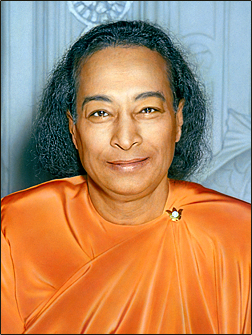
The Path of Practical Spirituality
Paramahansa Yogananda's assertion that "one cannot practice the principles of religion with a begging bowl in his hand" invites us to consider the interplay between material well-being and spiritual practice. He emphasizes that a healthy body and a successful career are essential prerequisites for genuine spiritual engagement. This perspective challenges the often romanticized notion of spirituality as a pursuit detached from the realities of daily life. Instead, Yogananda urges us to recognize that our physical and material conditions significantly influence our spiritual journey.
In a world where spiritual aspirations can sometimes seem lofty and disconnected from everyday concerns, Yogananda's words serve as a grounding reminder. They compel us to acknowledge that our spiritual practices must be rooted in the practicalities of existence. The quest for health and success is not merely a worldly ambition; it is a vital aspect of our spiritual evolution. By cultivating a balanced life, we create a fertile ground for deeper spiritual insights and experiences.
The image / the metaphor
The imagery of a "begging bowl" evokes a sense of dependency and lack, contrasting sharply with the ideals of self-sufficiency and abundance. Yogananda's choice of words suggests that spiritual practice requires a certain level of stability and confidence, which cannot be achieved when one is in a state of need. The act of begging symbolizes not just a physical state but also a mental and emotional one, where the individual feels unworthy or incapable of receiving the fullness of life. This metaphor serves to illustrate that spiritual principles are best practiced from a place of strength rather than vulnerability.
Diving deeper into this metaphor, we can see that the "begging bowl" represents more than just material poverty; it signifies a mindset that may hinder spiritual growth. When we approach spirituality from a place of lack, we risk viewing our practices as transactions rather than transformative experiences. Yogananda's message encourages us to cultivate a mindset of abundance, where we can engage with spiritual principles not out of desperation but from a place of fullness and gratitude. This shift in perspective is crucial for genuine spiritual development.
In the speaker's tradition
Within the context of Hinduism, Yogananda's teachings resonate with the concept of dharma, which emphasizes the importance of living in accordance with one's purpose and responsibilities. Dharma encompasses not only spiritual pursuits but also the practical aspects of life, such as health and career. By aligning our actions with our dharma, we create a harmonious balance that supports both our material and spiritual aspirations. This holistic approach is essential for achieving a state of well-being that allows for deeper spiritual exploration.
Moreover, Yogananda's emphasis on health and success can be likened to the principles found in the Bhagavad Gita, where Lord Krishna advises Arjuna to fulfill his duties as a warrior while remaining steadfast in his spiritual practice. The Gita teaches that one must engage fully in the world, performing one's responsibilities with dedication, while simultaneously nurturing the inner life. This dual commitment is vital for achieving a state of self-realization, where both the material and spiritual realms are honored and integrated.
Living the teaching
Consider a modern scenario where an individual aspires to deepen their spiritual practice but finds themselves overwhelmed by financial stress. In this situation, Yogananda's teaching becomes particularly relevant. Rather than attempting to meditate or engage in spiritual practices while grappling with anxiety about bills or job security, the individual might first focus on establishing a stable financial foundation. By addressing these practical concerns, they create a more conducive environment for spiritual growth, allowing them to approach their practice with a sense of peace and clarity.
Another application of this teaching can be found in interpersonal relationships. Imagine someone who is emotionally depleted and struggling to maintain healthy connections with others. Yogananda's insight suggests that before one can fully engage in loving relationships, it is essential to cultivate a sense of self-worth and emotional stability. By prioritizing self-care and personal development, individuals can bring their best selves to their relationships, fostering deeper connections that are rooted in mutual respect and understanding.
A reflection
As we contemplate Yogananda's profound statement, we might ask ourselves: "In what areas of my life do I feel a sense of lack, and how might addressing these areas enhance my spiritual practice?" This question invites us to reflect on the balance between our material and spiritual pursuits, encouraging us to seek harmony in our lives. By recognizing the interconnectedness of these realms, we can cultivate a more holistic approach to our spiritual journey, one that honors both our physical existence and our quest for deeper understanding.




Join the BrightStar Community
Stay connected with daily inspiration, event announcements, and community wisdom