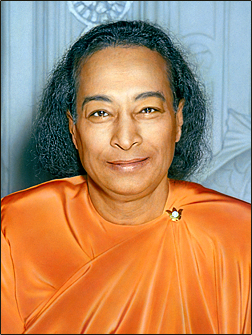
The Grace of Suffering and the Freedom of Devotion
Paramahansa Yogananda's profound assertion that "suffering is a prod to remembrance of God. But true devotion does not need suffering to prompt it" invites us to explore the intricate relationship between our trials and our spiritual lives. In essence, he suggests that while suffering can awaken our awareness of the divine, genuine devotion transcends the need for pain as a catalyst. This distinction is crucial, as it encourages us to seek a deeper connection with the divine that is not solely rooted in our struggles.
Yogananda's words resonate deeply in a world where suffering is often viewed as an inevitable part of the human experience. The notion that our pain can lead us to a remembrance of God speaks to the transformative power of adversity. However, the second part of the quote reminds us that true devotion is a state of being that can flourish independently of our hardships. This duality invites us to reflect on our spiritual practices and the motivations behind them, urging us to cultivate a devotion that is rich, vibrant, and not merely a response to suffering.
The image / the metaphor
The imagery in Yogananda's quote evokes a landscape where suffering serves as a catalyst for awakening. The word "prod" suggests a gentle nudge, a reminder that our trials can lead us back to a state of divine awareness. This evokes the image of a shepherd guiding lost sheep back to the fold, illustrating how suffering can redirect our focus toward the sacred. Yet, the juxtaposition with "true devotion" introduces a contrasting image—one of a serene, unwavering connection to the divine that exists beyond the realm of pain.
Diving deeper into the metaphor, we can see that suffering, while a powerful teacher, is not the only path to spiritual awakening. The notion that true devotion does not require suffering implies a more profound understanding of the divine relationship. It suggests that love, joy, and gratitude can also serve as pathways to remembrance. This invites us to envision a spiritual life that is not reactive but proactive, where devotion flourishes in the light of joy and peace, rather than solely in the shadows of hardship.
In the speaker's tradition
Within the context of Yogananda's teachings, we find a rich tapestry of concepts that illuminate the relationship between suffering and devotion. In Hindu philosophy, the idea of bhakti, or devotional love, emphasizes a deep, personal connection with the divine that transcends the dualities of joy and suffering. This aligns with the notion of dharma, where one's duty and path can lead to spiritual growth, regardless of the circumstances faced. Yogananda's perspective encourages us to embrace devotion as a practice that can be cultivated in both times of trial and times of peace.
Moreover, Yogananda's teachings resonate with the concept of prajna, or wisdom, which suggests that true understanding comes from experiencing both the light and the dark. In the Bhagavad Gita, Krishna speaks to Arjuna about the importance of maintaining equanimity in both success and failure, joy and sorrow. This wisdom reinforces Yogananda's assertion that while suffering may prompt remembrance, it is the cultivation of a steady, unwavering devotion that ultimately leads to spiritual liberation.
Living the teaching
Consider a modern scenario where an individual faces a significant life challenge, such as the loss of a job. In the midst of this suffering, one might find themselves turning to prayer or meditation, seeking solace and guidance from a higher power. This experience aligns with Yogananda's observation that suffering can indeed prompt a remembrance of God, as the individual seeks comfort and clarity in their time of need. However, this moment also serves as an opportunity to reflect on the nature of their devotion—does it only arise in times of hardship, or can it be nurtured in moments of peace and gratitude as well?
In a different context, imagine a relationship that has become strained due to misunderstandings and unspoken grievances. Here, the practice of true devotion can manifest as a commitment to open communication and compassion, even when the path is difficult. By choosing to engage with love and understanding, rather than waiting for suffering to prompt a change, individuals can cultivate a deeper connection that transcends the need for pain as a catalyst. This proactive approach to devotion not only strengthens relationships but also enriches one's spiritual journey.
A reflection
As we contemplate Yogananda's insightful words, we are invited to examine our own spiritual practices and motivations. Are we waiting for suffering to awaken our remembrance of the divine, or can we cultivate a devotion that flourishes in all circumstances? In this light, consider the question: How can I deepen my connection with the divine in moments of joy, gratitude, and peace, rather than solely in times of struggle?




Join the BrightStar Community
Stay connected with daily inspiration, event announcements, and community wisdom