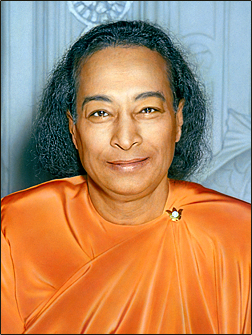
The Power of Will: Unleashing the Flow of Energy
Paramahansa Yogananda's assertion, "The greater the will, the greater the flow of energy," invites us to explore the profound connection between our intentions and the vitality we experience in our lives. This statement underscores the idea that our willpower is not merely a mental construct but a dynamic force that can channel energy into our actions and aspirations. Understanding this relationship is crucial, as it reveals how our inner resolve can shape our experiences and influence the world around us.
In a world often characterized by distractions and uncertainties, the cultivation of will becomes a vital practice. Yogananda's words remind us that the strength of our will can amplify our energy, enabling us to overcome obstacles and pursue our goals with vigor. This exploration of will and energy is not just theoretical; it has practical implications for how we navigate our daily lives, relationships, and spiritual journeys.
The image / the metaphor
The imagery in Yogananda's quote evokes a sense of dynamism and flow, suggesting that will acts as a conduit for energy. The verb "flow" implies a natural, almost effortless movement, as if energy is waiting to be harnessed and directed by our will. This metaphor paints a picture of a river, where the strength of the current is determined by the landscape through which it travels. In this sense, our will shapes the course of our energy, determining how it manifests in our lives.
Delving deeper into this metaphor, we can see that will is not just a passive force; it is an active engagement with the world. The greater our will, the more we can tap into the universal energy that surrounds us. This relationship suggests that our intentions can either restrict or enhance the flow of energy in our lives, much like a dam can hold back water or allow it to surge forth. Thus, cultivating a strong will becomes essential for unlocking the potential that lies within and around us.
In the speaker's tradition
Yogananda's teachings are deeply rooted in the Hindu tradition, where concepts such as dharma (righteous duty) and bhakti (devotion) play significant roles in understanding the nature of will and energy. In this context, will is often seen as an expression of one's dharma, guiding individuals toward their higher purpose. The alignment of will with dharma not only enhances personal energy but also contributes to the greater good, reflecting the interconnectedness of all beings.
Moreover, the idea of kenosis, or self-emptying, resonates with Yogananda's message. By surrendering our ego-driven desires and aligning our will with a higher purpose, we create space for divine energy to flow through us. This concept is echoed in texts such as the Bhagavad Gita, where Arjuna's struggle to fulfill his dharma is ultimately resolved through the realization that true strength comes from aligning his will with the divine will. In this way, Yogananda's quote serves as a reminder of the transformative power of aligning our intentions with a higher calling.
Living the teaching
Consider a modern scenario where this teaching can be applied: an individual facing a significant career decision. The person may feel torn between the security of a stable job and the desire to pursue a passion that feels more aligned with their true self. By recognizing that the strength of their will can influence the energy they bring to this decision, they can begin to cultivate a clearer vision of what they truly want. This clarity can empower them to take actionable steps toward their passion, allowing the energy of their will to flow into their new path.
In a different context, imagine a relationship that has become strained due to misunderstandings and unexpressed feelings. By consciously applying the principle of will, one partner can choose to engage with the other openly and honestly, channeling their energy into constructive communication. This act of will not only transforms the dynamic between them but also invites a flow of energy that fosters healing and connection. In both scenarios, the greater the will to act with intention, the more vibrant and transformative the energy becomes.
A reflection
As we contemplate Yogananda's assertion, we are invited to reflect on the nature of our own will and the energy it generates in our lives. What areas of your life could benefit from a stronger alignment of will and intention? Consider how your desires and actions may be influenced by the strength of your will, and how you might cultivate this power to enhance your experiences and relationships.




Join the BrightStar Community
Stay connected with daily inspiration, event announcements, and community wisdom