The Dance of Intellect and Wisdom
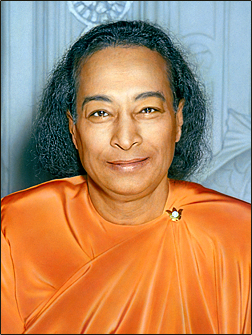
Paramahansa Yogananda's assertion that "the intellect is a beautiful servant but a terrible master" invites us to reflect on the dual nature of our cognitive faculties. In this statement, he highlights the importance of maintaining a balanced relationship with our intellect, suggesting that while it can serve us well in navigating the complexities of life, it can also lead us astray if we allow it to dominate our decision-making and emotional landscape. This distinction is crucial in a world where the intellect often takes precedence over intuition and deeper wisdom.
By framing the intellect as a servant, Yogananda encourages us to harness its capabilities for clarity, analysis, and problem-solving. However, he warns against the perils of letting it become our master, which can lead to overthinking, anxiety, and a disconnection from the heart and spirit. This teaching resonates deeply in our contemporary society, where the relentless pursuit of knowledge and rationality can overshadow the more profound, intuitive aspects of our being. Understanding this balance is essential for cultivating a life that is not only intellectually rich but also spiritually fulfilling.
The image / the metaphor
The imagery in Yogananda's quote evokes a vivid picture of the intellect as a servant, suggesting a dynamic relationship where it is meant to assist and enhance our lives. The term "beautiful" implies that the intellect possesses an elegance and utility that can be harnessed for constructive purposes. However, the phrase "terrible master" starkly contrasts this beauty, indicating that when the intellect assumes control, it can lead to chaos and suffering. This duality captures the essence of our struggle to find equilibrium between reason and emotion, logic and intuition.
In the speaker's tradition
Paramahansa Yogananda's teachings are deeply rooted in the spiritual traditions of Hinduism, where the interplay between intellect and wisdom is a recurring theme. Concepts such as dharma, or righteous living, emphasize the importance of aligning our actions with a higher purpose, which often requires transcending mere intellectual understanding. In this context, the intellect serves as a tool to discern our dharma, but it must be tempered with qualities like bhakti, or devotion, and prajna, or wisdom, to ensure that our choices resonate with our true nature.
Yogananda's insights can also be illuminated through the lens of the Bhagavad Gita, where Lord Krishna advises Arjuna to act with discernment and wisdom rather than being swayed by the tumult of his emotions or the noise of his intellect. The Gita teaches that true knowledge arises from a synthesis of intellect and intuition, guiding us toward a life that is both informed and spiritually grounded. This harmonious balance is essential for navigating the complexities of existence, allowing us to fulfill our dharma while remaining connected to our inner selves.
Living the teaching
Consider a modern scenario where the teaching of Yogananda's quote becomes particularly relevant: the overwhelming pressure to succeed in a fast-paced work environment. In this context, individuals may find themselves relying heavily on their intellect to strategize, analyze, and outperform their peers. While these intellectual efforts can yield tangible results, they may also lead to burnout, stress, and a sense of disconnection from one's authentic self. Recognizing the intellect as a servant in this situation allows individuals to step back and assess whether their relentless pursuit of success aligns with their deeper values and aspirations.
In a different application, imagine a relationship where one partner is overly analytical, often dissecting every interaction and conversation. This reliance on intellect can create tension and misunderstandings, overshadowing the emotional and intuitive aspects that are vital for connection. By embracing Yogananda's teaching, both partners can strive to balance their intellectual assessments with empathy and understanding, allowing their relationship to flourish. This practice of integrating intellect with emotional intelligence fosters deeper connections and enriches the relational experience.
A reflection
As we contemplate Yogananda's profound insight, we are invited to examine our own relationship with our intellect. Are we allowing our intellect to serve us, guiding our decisions and actions with clarity and purpose? Or have we unwittingly permitted it to dominate our lives, leading us into a labyrinth of overthinking and disconnection? In this moment of reflection, consider this question: How can you cultivate a more harmonious relationship with your intellect, ensuring it serves your highest self rather than ruling over it?


Join the BrightStar Community
Stay connected with daily inspiration, event announcements, and community wisdom