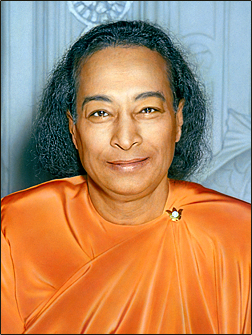
The Pursuit of Happiness Within
Paramahansa Yogananda's assertion that "the more you depend on conditions outside yourself for happiness, the less happiness you will experience" invites us to reflect deeply on the nature of our joy. In a world that often equates happiness with external achievements, possessions, or relationships, this statement serves as a profound reminder of the inner sanctuary of contentment. It challenges us to reconsider our sources of fulfillment and to recognize that true happiness is not contingent upon external circumstances but is cultivated from within.
This perspective is particularly significant in our contemporary society, where the relentless pursuit of material success and social validation can lead to a cycle of fleeting satisfaction. Yogananda's words urge us to turn our gaze inward, suggesting that the more we anchor our happiness in external conditions, the more elusive it becomes. This teaching is not merely philosophical; it is a practical guide to living a life of deeper joy and resilience, one that is less susceptible to the whims of fate and circumstance.
The image / the metaphor
The imagery in Yogananda's quote evokes a sense of dependency and the fragility of happiness when it is tethered to external conditions. The verbs "depend" and "experience" highlight a dynamic relationship between the seeker and their sources of joy. When happiness is contingent upon the external world, it becomes a precarious state, vulnerable to the fluctuations of life. This metaphor suggests that happiness, when sought outside oneself, is akin to chasing shadows—always just out of reach, elusive and fleeting.
In the speaker's tradition
Yogananda's teachings are deeply rooted in the spiritual tradition of Hinduism, where concepts such as dharma and self-realization play pivotal roles. The notion of dharma emphasizes living in alignment with one's true nature and purpose, which inherently fosters a sense of inner fulfillment. Furthermore, the practice of kenosis, or self-emptying, aligns with Yogananda's message, encouraging individuals to let go of attachments to external validation and to seek a deeper connection with their true selves. This journey inward is often described in terms of bhakti, or devotion, where the seeker learns to cultivate love and joy from within.
In the Bhagavad Gita, a foundational text of Hindu philosophy, Krishna advises Arjuna to act without attachment to the fruits of his actions. This teaching resonates with Yogananda's assertion, as it emphasizes the importance of performing one's duty without being swayed by the desire for external rewards. The Gita encourages us to find contentment in the act itself, rather than in the outcomes, thereby reinforcing the idea that true happiness is an internal state, independent of external circumstances.
Living the teaching
Consider a modern scenario where an individual seeks happiness through career success. Many people invest their emotional well-being in promotions, accolades, or financial achievements, believing that these external markers will bring them lasting joy. However, when faced with setbacks or challenges in their professional lives, they may find themselves feeling unfulfilled and anxious. Yogananda's teaching serves as a gentle reminder that while external accomplishments can bring temporary satisfaction, they do not constitute the essence of true happiness. Instead, cultivating a sense of purpose and joy from within can provide a more stable foundation for well-being.
In relationships, this teaching can manifest in the way we seek validation from others. Often, we may find ourselves relying on our partners, friends, or family to affirm our worth and happiness. When we place our happiness in the hands of others, we risk disappointment and heartache. By recognizing that our joy must come from within, we can approach relationships with a sense of wholeness, allowing for deeper connections that are not contingent upon external validation. This shift in perspective fosters healthier dynamics and encourages us to appreciate our relationships without losing sight of our own inner happiness.
A reflection
As we contemplate Yogananda's profound insight, we might ask ourselves: "In what areas of my life do I find myself seeking happiness from external sources?" This question invites us to engage in a reflective practice, examining our attachments and dependencies. By identifying these patterns, we can begin to cultivate a more profound sense of inner joy, one that is resilient and independent of the ever-changing circumstances of life. Ultimately, this journey inward can lead us to a more authentic and fulfilling existence, grounded in the understanding that true happiness is a state of being, not a destination.




Join the BrightStar Community
Stay connected with daily inspiration, event announcements, and community wisdom