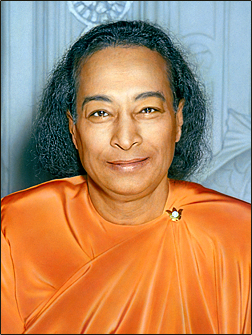
The Journey Within: Finding Peace Beyond Sorrow
Paramahansa Yogananda's assertion, "The more you dwell in the self, the more you feel that you have reached the end of all sorrow," invites us to explore the profound relationship between self-awareness and emotional liberation. In a world often fraught with external chaos and internal turmoil, this statement serves as a beacon, suggesting that true peace lies not in the avoidance of suffering but in the deep understanding of oneself. The stakes are high; to truly embrace this teaching is to embark on a transformative journey that can lead to a profound sense of serenity and fulfillment.
Delving into the self, as Yogananda suggests, is not merely an act of introspection but a sacred pilgrimage toward the essence of our being. It challenges us to confront the layers of identity shaped by societal expectations, personal experiences, and emotional scars. This inward journey holds the promise of unveiling a deeper truth, one that transcends the ephemeral nature of sorrow and suffering. By engaging with our inner landscape, we may discover that the roots of our pain often lie in our disconnection from our true selves, and in this realization, we find the potential for healing and peace.
The image / the metaphor
The imagery in Yogananda's quote evokes a sense of depth and exploration. The phrase "dwell in the self" suggests a nurturing presence, a homecoming to one's innermost being. The verbs chosen—“dwell” and “feel”—imply a gentle, sustained engagement rather than a fleeting glance. This evokes a sense of intimacy with oneself, where the act of dwelling becomes a refuge from the storms of external life. The end of sorrow, then, is not a distant goal but a natural consequence of this profound engagement with the self.
In the speaker's tradition
Paramahansa Yogananda's teachings are deeply rooted in the rich tradition of Hindu philosophy, where concepts such as dharma, self-realization, and the nature of suffering are central. The notion of self, or atman, is considered the true essence of an individual, distinct from the transient ego. In this context, Yogananda's invitation to dwell in the self aligns with the practice of self-inquiry, a method that encourages individuals to look beyond the surface of their identities and discover their divine nature. This journey toward self-realization is often seen as a path to achieving moksha, or liberation from the cycle of suffering.
In the Bhagavad Gita, a foundational text of Hindu philosophy, the idea of self-awareness is echoed through the teachings of Krishna to Arjuna. Krishna emphasizes the importance of understanding one's true nature, which transcends the physical and emotional turmoil of life. This alignment with the self leads to a state of equanimity, where sorrow loses its grip, and one can act from a place of clarity and purpose. Yogananda's quote resonates with this timeless wisdom, reminding us that the journey inward is not only a personal endeavor but a universal quest for peace.
Living the teaching
Consider a modern scenario where this teaching can be applied: a person grappling with the pressures of work and personal life may find themselves overwhelmed by stress and anxiety. In such moments, the invitation to dwell in the self becomes a powerful tool. By taking a step back and engaging in practices such as meditation or journaling, they can create a space to explore their thoughts and emotions. This act of self-reflection allows them to identify the sources of their sorrow, leading to insights that can transform their experience from one of chaos to one of clarity and calm.
In relationships, the teaching of dwelling in the self can also manifest profoundly. Imagine a couple facing conflict; often, the root of their discord lies in unexpressed fears and unmet needs. By encouraging each partner to engage in self-reflection, they can better understand their own emotions and motivations. This deeper awareness fosters empathy and compassion, allowing them to communicate more openly and resolve their differences. In this way, the journey inward not only alleviates personal sorrow but also enhances the quality of our connections with others.
A reflection
As we contemplate Yogananda's profound insight, we are invited to ask ourselves: What does it mean for me to dwell in my own self, and how might this practice lead me to a deeper understanding of my sorrows? This question encourages us to engage with our inner landscape, to explore the layers of our being, and to recognize that within the depths of our self lies the potential for profound peace. In this exploration, we may find that the end of sorrow is not a destination but a journey, one that unfolds as we courageously embrace our true selves.




Join the BrightStar Community
Stay connected with daily inspiration, event announcements, and community wisdom