Understanding Suffering: The Path to Wisdom
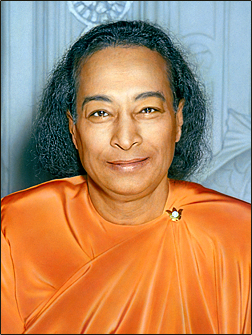
Paramahansa Yogananda's assertion that "the suffering we experience is not so much due to the nature of things as to our lack of adequate understanding" invites us to reconsider the roots of our pain. This perspective shifts the focus from external circumstances to our internal interpretations and responses. By recognizing that our suffering often stems from ignorance rather than the inherent nature of reality, we open ourselves to the possibility of transformation through deeper understanding. This insight is crucial, as it empowers us to navigate life's challenges with greater clarity and resilience.
In a world rife with turmoil and distress, Yogananda's words resonate profoundly. They challenge us to examine the narratives we construct around our experiences and the beliefs that shape our perceptions. When we view suffering as a product of misunderstanding, we are called to engage in a journey of self-discovery and enlightenment. This journey is not merely about alleviating pain but about cultivating wisdom that allows us to transcend suffering altogether. Understanding, then, becomes a sacred tool, one that can illuminate the path toward a more harmonious existence.
The image / the metaphor
The imagery in Yogananda's quote evokes a sense of clarity and illumination. The phrase "lack of adequate understanding" suggests a veil obscuring our vision, preventing us from perceiving the true nature of our experiences. The verbs chosen—"experience" and "understanding"—imply an active engagement with life, where suffering is not a passive state but a dynamic interaction with our thoughts and beliefs. This perspective invites us to see suffering as a signal, a call to delve deeper into our consciousness and unravel the complexities of our existence.
Delving deeper into the metaphor, we can liken suffering to a fog that clouds our vision, making it difficult to navigate the landscape of our lives. When we lack understanding, we stumble through this fog, reacting to circumstances with confusion and fear. However, as we cultivate wisdom, the fog begins to lift, revealing the underlying truths of our experiences. This process of gaining insight transforms suffering from a source of despair into a catalyst for growth, urging us to seek clarity and understanding in every moment.
In the speaker's tradition
Paramahansa Yogananda's teachings are deeply rooted in the rich tradition of Hindu philosophy, where concepts such as dharma, prajna, and bhakti illuminate the path to understanding. Dharma, or one's duty and righteousness, encourages individuals to align their actions with higher truths, while prajna, or wisdom, emphasizes the importance of discernment in navigating life's complexities. Yogananda's perspective aligns with the notion that suffering often arises from a misalignment with our true purpose, urging us to seek knowledge and understanding as a means to fulfill our dharma.
In the Bhagavad Gita, a foundational text in Hindu philosophy, Lord Krishna imparts wisdom to Arjuna, who is paralyzed by doubt and confusion on the battlefield. Krishna's teachings emphasize the importance of understanding one's true nature and the impermanence of the material world. This echoes Yogananda's assertion that suffering is rooted in misunderstanding, as Krishna guides Arjuna toward clarity and purpose, ultimately leading him to embrace his role as a warrior. Both teachings highlight the transformative power of understanding in alleviating suffering and fulfilling one's destiny.
Living the teaching
Consider a modern scenario where an individual faces the loss of a job. The immediate reaction may be one of despair, frustration, and fear of the future. However, if we apply Yogananda's teaching, we can shift our perspective. Instead of viewing this loss solely as a negative event, we can explore the underlying lessons it offers. Perhaps this moment serves as an opportunity for self-reflection, prompting the individual to reassess their career path, values, and aspirations. By cultivating an understanding of the situation, they can transform their suffering into a stepping stone toward new possibilities.
In the context of relationships, Yogananda's insight can be equally profound. Imagine a couple experiencing conflict due to miscommunication and unmet expectations. If both partners approach the situation with a willingness to understand each other's perspectives, they can uncover the root causes of their suffering. By engaging in open dialogue and seeking to comprehend the underlying emotions and beliefs at play, they can foster a deeper connection and resolve their differences. This practice of understanding not only alleviates suffering but also strengthens the bond between them, illustrating the transformative power of Yogananda's teaching in everyday life.
A reflection
As we contemplate Yogananda's profound insight, we are invited to reflect on our own experiences of suffering. What narratives do we construct around our pain, and how might a deeper understanding of these narratives shift our perspective? In moments of difficulty, how can we cultivate the wisdom to see beyond the immediate circumstances and embrace the lessons they offer? This contemplation encourages us to engage with our suffering not as an enemy but as a teacher, guiding us toward greater clarity and understanding.




Join the BrightStar Community
Stay connected with daily inspiration, event announcements, and community wisdom