The Gift of Time: Embracing Joy and Letting Go of Worry
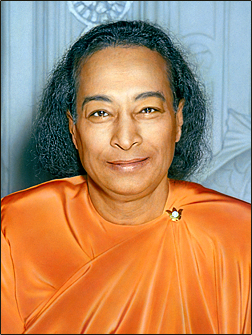
Paramahansa Yogananda's assertion that "the time you enjoy wasting is not wasted time" invites us to reconsider our relationship with time itself. In a world that often equates productivity with worth, this perspective challenges us to find value in moments of joy and leisure. Conversely, Yogananda warns that time spent in "useless worry" is indeed wasted, suggesting that our mental energy can be better directed toward experiences that nourish our spirit. This dichotomy between enjoyment and worry is crucial for cultivating a fulfilling life.
As we navigate the complexities of modern existence, the tension between productivity and enjoyment becomes increasingly pronounced. Yogananda's words remind us that the essence of life is not merely in the tasks we accomplish but in the quality of our experiences. By embracing moments of joy, we can transcend the often paralyzing grip of worry, allowing ourselves to engage more fully with the present. This teaching resonates deeply in a culture that frequently prioritizes achievement over well-being, urging us to reclaim our time as a sacred gift.
The image / the metaphor
At first glance, Yogananda's quote presents a vivid contrast between two states of being: the joyful embrace of time spent in leisure and the burdensome weight of worry. The imagery evokes a sense of liberation in the former, where time is not merely a commodity to be spent but a canvas for joy. The verbs "enjoy" and "wasting" create a paradox that challenges conventional notions of productivity, suggesting that true fulfillment lies not in the relentless pursuit of goals but in the simple act of being present and finding joy in the moment.
Delving deeper into the metaphor, we see that "wasting time" can be reinterpreted as an act of self-care and connection to our inner selves. This perspective invites us to view leisure not as a guilty indulgence but as a necessary component of a balanced life. In contrast, "useless worry" conjures images of a mind trapped in a cycle of anxiety, where time slips away unappreciated. The juxtaposition of these two states serves as a powerful reminder that our mental and emotional landscapes shape our experience of time itself.
In the speaker's tradition
Paramahansa Yogananda's teachings are deeply rooted in the spiritual traditions of Hinduism, where concepts such as dharma and bhakti illuminate the path to a meaningful life. Dharma, or one's righteous duty, encourages individuals to engage with their responsibilities while also recognizing the importance of joy and fulfillment. Yogananda's emphasis on enjoying time resonates with the notion of bhakti, or devotion, which invites us to cultivate a loving relationship with the present moment and the divine. In this context, the act of enjoying time becomes a spiritual practice, a way to honor our existence and the interconnectedness of all life.
Moreover, Yogananda's teachings can be likened to the Buddhist concept of sunyata, or emptiness, which encourages us to let go of attachments and worries that cloud our perception. Just as sunyata invites us to embrace the present without clinging to the past or future, Yogananda's words urge us to release the burdens of worry and instead immerse ourselves in the joy of the now. This alignment with both Hindu and Buddhist philosophies underscores the universality of Yogananda's message, transcending cultural boundaries to speak to the human experience.
Living the teaching
Consider a modern scenario where the pressures of work and life often lead to a relentless cycle of worry. Imagine a professional who spends countless hours fretting over deadlines and outcomes, missing opportunities for connection and joy in the process. By embracing Yogananda's teaching, this individual could shift their focus from anxiety to moments of enjoyment, perhaps by taking breaks to engage in activities that bring them joy, such as spending time with loved ones or pursuing a hobby. This simple shift in perspective can transform their experience of time, allowing them to find fulfillment even amidst the demands of life.
In relationships, the application of Yogananda's wisdom can be equally profound. Picture a couple who frequently finds themselves caught in cycles of worry about their future together, leading to tension and misunderstandings. By consciously choosing to focus on the joy they share in the present moment—whether through laughter, shared meals, or quiet conversations—they can cultivate a deeper connection. This practice of prioritizing enjoyment over worry not only enriches their relationship but also fosters a sense of gratitude for the time they have together, reinforcing the idea that time spent in joy is never wasted.
A reflection
As we contemplate Yogananda's insightful words, we are invited to reflect on our own relationship with time. Are there moments in your life where you find yourself caught in the grip of worry, overshadowing the joy that could be present? Consider how you might reclaim those moments, allowing yourself to embrace the beauty of the now. In doing so, you may discover that the time you once deemed wasted can become a source of profound fulfillment and connection.




Join the BrightStar Community
Stay connected with daily inspiration, event announcements, and community wisdom