The Right Way to Live: Embracing the Path of Dharma
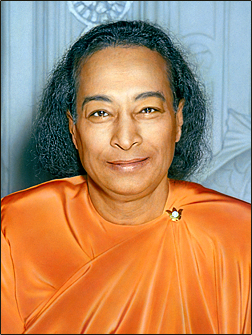
Paramahansa Yogananda's assertion that "there is a right and wrong way to eat, to sleep, to think, to act" invites us to consider the profound implications of our daily choices. Each action we take, from the mundane to the significant, carries the potential to align us with our true purpose or to lead us astray. This perspective emphasizes the importance of mindfulness and intentionality in every aspect of our lives, suggesting that our well-being and spiritual growth hinge upon our ability to discern the right path in each moment.
In a world often characterized by chaos and distraction, Yogananda's words serve as a gentle reminder that there exists a framework for living that honors our highest selves. This framework, rooted in the principles of dharma, calls us to cultivate discipline and awareness in our thoughts and actions. By recognizing that every phase of life demands a thoughtful approach, we can navigate our experiences with greater clarity and purpose, ultimately fostering a deeper connection to ourselves and the universe.
The image / the metaphor
Yogananda's quote paints a vivid picture of life as a series of choices, each imbued with moral weight. The verbs "eat," "sleep," "think," and "act" evoke the fundamental aspects of human existence, suggesting that even the simplest actions can be approached with a sense of rightness or wrongness. This imagery invites us to reflect on the quality of our engagement with life, urging us to consider whether we are acting with awareness or merely drifting through our days.
Delving deeper into the metaphor, we can see that Yogananda's emphasis on "right" and "wrong" is not merely about adhering to external rules but about aligning our actions with our inner truth. The notion of a "right way" implies a path that resonates with our authentic selves, while the "wrong way" suggests a departure from our essence. This duality encourages us to cultivate discernment, guiding us toward choices that nourish our spirit and contribute to our overall well-being.
In the speaker's tradition
Within the context of Hindu philosophy, Yogananda's teachings resonate deeply with the concept of dharma, which refers to the moral order of the universe and our individual duty within it. Dharma encompasses the idea that each person has a unique role to play, and fulfilling this role requires an understanding of what is right and just. This aligns with the broader spiritual principles of kenosis, or self-emptying, and bhakti, the path of devotion, which emphasize the importance of aligning our actions with a higher purpose.
Yogananda's insights can also be illuminated through the lens of the Bhagavad Gita, a foundational text in Hinduism that explores the nature of duty and righteousness. In this sacred dialogue, Lord Krishna instructs Arjuna on the importance of performing one's duty without attachment to the results, highlighting the significance of right action in the pursuit of spiritual growth. This connection underscores the timeless relevance of Yogananda's message, inviting us to reflect on how we can embody dharma in our own lives.
Living the teaching
Consider a modern scenario where Yogananda's teaching might apply: a busy professional grappling with the demands of work-life balance. In the rush to meet deadlines and fulfill obligations, one might neglect the importance of self-care, leading to burnout and disconnection from one's true self. By recognizing that there is a "right way" to approach work—one that includes taking breaks, nourishing the body, and maintaining mental clarity—this individual can cultivate a more harmonious existence that honors both their professional responsibilities and personal well-being.
In relationships, the application of Yogananda's wisdom can be equally transformative. Imagine a couple facing a conflict where each partner feels misunderstood. By approaching the situation with the intention to listen and understand, rather than to react defensively, they can create a space for healing and connection. This "right way" of engaging in difficult conversations fosters empathy and compassion, allowing both individuals to grow together rather than apart.
A reflection
As we contemplate Yogananda's assertion that every phase of life has a right and wrong approach, we are invited to examine our own lives with a discerning eye. What choices are we making that align with our highest selves, and where might we be drifting into patterns that do not serve us? In this moment of reflection, consider: How can you cultivate greater awareness in your daily actions to ensure that you are living in accordance with your true purpose?




Join the BrightStar Community
Stay connected with daily inspiration, event announcements, and community wisdom