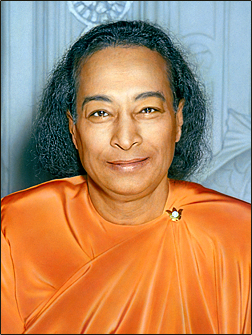
The Healing Light of Silence
Paramahansa Yogananda's quote, "Through the portals of silence the healing sun of wisdom and peace will shine upon you," invites us to consider the profound relationship between silence and inner healing. In a world often filled with noise and distraction, this statement emphasizes the necessity of retreating into silence to access deeper wisdom and tranquility. The stakes are high; without this inner sanctuary, we risk losing touch with our true selves and the peace that resides within us.
Yogananda's words resonate deeply in our contemporary lives, where the clamor of daily existence can drown out our inner voice. Silence is not merely the absence of sound; it is a fertile ground for reflection, insight, and healing. By embracing silence, we open ourselves to the transformative power of wisdom and peace, allowing these qualities to illuminate our paths and guide our actions. This quote serves as a reminder that the journey inward is essential for personal growth and spiritual awakening.
The image / the metaphor
The imagery in Yogananda's quote is rich and evocative. The "portals of silence" suggest gateways or thresholds that one must cross to enter a sacred space. The use of "healing sun" conjures a warm, nurturing light, symbolizing the wisdom and peace that can emerge when we allow ourselves to be enveloped in silence. The verbs "shine" and "heal" imply an active process, where wisdom and peace are not merely passive states but dynamic forces that can transform our lives.
In the speaker's tradition
Paramahansa Yogananda's teachings are deeply rooted in the spiritual tradition of Hinduism, particularly in the concepts of dharma and prajna. Dharma refers to the moral and ethical duties that guide our lives, while prajna signifies the wisdom that arises from deep contemplation and understanding. Yogananda emphasizes that silence is essential for realizing one's dharma, as it allows for introspection and clarity. In this way, silence serves as a bridge to wisdom, enabling us to discern our true purpose in life.
Furthermore, Yogananda's teachings echo the principles found in the Bhagavad Gita, where the importance of inner stillness is highlighted as a means to connect with the divine. In Chapter 6, verse 6, Krishna speaks of the mind as a friend or enemy, depending on whether it is controlled or uncontrolled. This aligns with Yogananda's assertion that silence can help us master our minds, leading to a state of peace and wisdom that transcends the chaos of the external world.
Living the teaching
Consider a modern scenario where the teaching of Yogananda's quote can be applied: a busy professional overwhelmed by the demands of work and life. In such a situation, the individual may find themselves caught in a cycle of stress and anxiety, unable to think clearly or make sound decisions. By intentionally carving out time for silence—perhaps through meditation or simply sitting in stillness—this person can access the healing sun of wisdom and peace that Yogananda speaks of. This practice can lead to clarity, enabling them to approach their challenges with renewed perspective and calmness.
Another application of this teaching might occur within the context of a strained relationship. When conflicts arise, emotions can cloud judgment, leading to misunderstandings and hurt feelings. By embracing silence, both parties can reflect on their thoughts and feelings, allowing space for healing and understanding. This pause can create an opportunity for deeper communication, fostering empathy and connection, ultimately allowing the wisdom of peace to shine through the darkness of discord.
A reflection
As we contemplate Yogananda's profound words, we are invited to consider how silence plays a role in our own lives. What practices can we incorporate to create moments of stillness amidst the noise? Reflecting on this question can guide us toward a deeper understanding of ourselves and our place in the world, illuminating the path to wisdom and peace that lies within each of us.


Join the BrightStar Community
Stay connected with daily inspiration, event announcements, and community wisdom