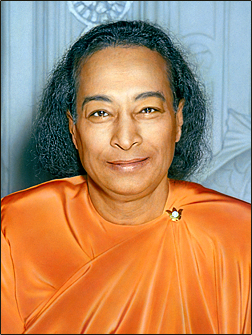
Mastery Over Moods: The Path to Inner Freedom
Paramahansa Yogananda's assertion, "To be controlled by moods is to have no control at all," invites us to reflect on the nature of our emotional states and their influence over our lives. This statement underscores the importance of self-mastery, suggesting that allowing our moods to dictate our actions leads to a life of chaos and disempowerment. In a world where emotional fluctuations can feel overwhelming, this teaching serves as a beacon, guiding us toward a more disciplined and intentional existence.
Delving deeper into Yogananda's wisdom, we recognize that moods are not merely fleeting feelings; they are powerful forces that can shape our perceptions and decisions. When we are at the mercy of our emotions, we relinquish our agency and become reactive rather than proactive. This quote challenges us to cultivate a sense of inner stability, urging us to rise above the ebb and flow of our emotional landscape and to engage with life from a place of clarity and strength.
The image / the metaphor
At its core, Yogananda's quote paints a vivid picture of the struggle between the self and the whims of emotion. The verb "controlled" evokes a sense of being tethered or restrained, suggesting that moods can act as external forces that bind us. The phrase "no control at all" starkly contrasts the ideal of self-mastery, emphasizing the profound implications of surrendering to our emotional states. This imagery invites us to visualize ourselves as marionettes, dancing to the tune of our moods, rather than as empowered individuals steering our own course.
Going deeper into the metaphor, we can see that moods are akin to the weather—sometimes sunny and uplifting, other times stormy and oppressive. Just as we cannot control the weather, we often feel powerless against our emotional tides. However, Yogananda's teaching encourages us to cultivate an inner sanctuary, a place of calm where we can observe these emotional fluctuations without being swept away. This perspective transforms our relationship with our moods, allowing us to acknowledge them without being defined by them.
In the speaker's tradition
Yogananda's insights are deeply rooted in the rich tradition of Hindu philosophy, where concepts such as dharma and self-realization play pivotal roles. Dharma, or one's duty and righteousness, calls for a disciplined approach to life, urging individuals to act in alignment with their higher purpose rather than being swayed by transient emotions. This discipline is essential for achieving self-mastery, a key tenet in Yogananda's teachings, which emphasizes the importance of inner strength and control over one's mind and heart.
In the context of Yogananda's work, we can draw parallels to the concept of prajna, or wisdom, which involves discerning the nature of reality and our place within it. The Bhagavad Gita, a foundational text in Hinduism, echoes this sentiment, urging individuals to rise above their emotional attachments and to act with equanimity. In Chapter 2, Verse 47, Krishna advises Arjuna to focus on his duty without attachment to the fruits of his actions, reinforcing the idea that true mastery comes from understanding and transcending our emotional states.
Living the teaching
Consider a modern scenario where this teaching resonates: a professional facing a challenging project at work. As deadlines loom and stress mounts, it is easy to succumb to feelings of anxiety or frustration. However, by recognizing that these moods do not define one's capabilities, the individual can choose to respond with clarity and focus. This conscious decision to engage with the task at hand, rather than being overwhelmed by emotional turmoil, exemplifies the essence of Yogananda's teaching on self-mastery.
In the realm of relationships, the impact of Yogananda's wisdom becomes even more apparent. Imagine a moment of conflict with a loved one, where anger or hurt feelings threaten to derail communication. By practicing self-awareness and emotional regulation, one can pause to reflect rather than react impulsively. This approach not only fosters healthier interactions but also cultivates a deeper understanding of oneself and the dynamics at play, illustrating the transformative power of emotional discipline.
A reflection
As we contemplate Yogananda's profound statement, we are invited to examine our own relationship with our moods. Are we allowing our emotions to dictate our actions, or are we cultivating the discipline to respond with intention? In this spirit, consider this contemplative question: What practices can you incorporate into your daily life to foster greater emotional awareness and self-mastery?


Join the BrightStar Community
Stay connected with daily inspiration, event announcements, and community wisdom