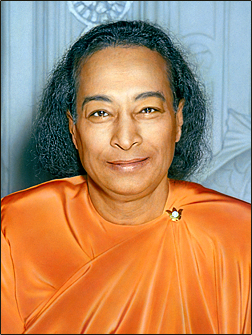
The Battlefield of Inner Peace
Paramahansa Yogananda's poignant observation, "Untrained warriors are soon killed on the battlefield; so also persons untrained in the art of preserving their inner peace are quickly riddled by the bullets of worry and restlessness," serves as a powerful reminder of the necessity of inner discipline in our tumultuous lives. Just as a warrior must hone their skills to survive the chaos of battle, so too must we cultivate our ability to maintain tranquility amidst the storms of anxiety and distraction. The stakes are high; without this training, we risk being overwhelmed by the relentless barrage of modern life, losing our sense of self and purpose.
This quote invites us to reflect on the nature of our inner landscape, where worry and restlessness can act as insidious forces that undermine our well-being. In a world that often feels chaotic and unpredictable, the ability to preserve our inner peace becomes not just a luxury but a necessity for a fulfilling life. Yogananda's words challenge us to consider what it means to be truly prepared for the challenges we face, emphasizing that the cultivation of inner peace is an art that requires dedication, practice, and a deep understanding of ourselves.
The image / the metaphor
The imagery in Yogananda's quote is striking, evoking the visceral reality of a battlefield where untrained warriors face imminent danger. The verbs "killed" and "riddled" convey a sense of urgency and violence, illustrating the harsh consequences of neglecting one's inner training. This metaphor not only highlights the external chaos of life but also reflects the internal struggles we face when we lack the tools to navigate our emotions and thoughts. The battlefield becomes a symbol of our mind, where worry and restlessness can attack us if we are unprepared.
Diving deeper into the metaphor, we see that the battlefield represents the ongoing conflict within ourselves. Just as a warrior must learn to wield their weapons with precision and awareness, we must learn to manage our thoughts and emotions with mindfulness and intention. The training required to preserve our inner peace involves developing a disciplined approach to our mental and emotional states, allowing us to respond to life's challenges with clarity rather than reaction. In this sense, Yogananda's quote serves as both a warning and a call to action, urging us to engage in the practice of self-mastery.
In the speaker's tradition
Paramahansa Yogananda's teachings are deeply rooted in the rich tradition of Hindu philosophy, where concepts such as dharma, the moral order of the universe, and bhakti, the path of devotion, play crucial roles in the pursuit of inner peace. The idea of training oneself to maintain inner tranquility aligns with the practice of sadhana, or spiritual discipline, which is essential for realizing one's true nature. In this context, Yogananda emphasizes that just as a warrior must understand their duty on the battlefield, we too must comprehend our responsibilities in the journey of life, which includes nurturing our inner peace.
A relevant text that echoes this sentiment is the Bhagavad Gita, where Arjuna, a warrior, is counseled by Krishna to engage in battle not merely for victory but to fulfill his dharma. Krishna teaches Arjuna about the importance of maintaining equanimity in the face of life's challenges, illustrating that true strength lies in the ability to remain centered and composed. This timeless wisdom reinforces Yogananda's message that cultivating inner peace is a vital practice for navigating the complexities of existence.
Living the teaching
Consider a modern scenario where this teaching resonates: a busy professional facing constant deadlines and pressures. Without the training to preserve their inner peace, they may find themselves overwhelmed by stress, leading to burnout and a diminished quality of life. By applying Yogananda's wisdom, this individual can begin to incorporate mindfulness practices, such as meditation or deep breathing exercises, into their daily routine. These practices serve as their training ground, allowing them to build resilience against the bullets of worry and restlessness that threaten to derail their focus and well-being.
In a different context, imagine a relationship strained by misunderstandings and emotional turbulence. Here, the art of preserving inner peace becomes crucial for effective communication and conflict resolution. By cultivating self-awareness and emotional regulation, individuals can approach difficult conversations with a calm demeanor, reducing the likelihood of escalation. This practice not only fosters healthier interactions but also reinforces the idea that maintaining inner peace is a skill that can transform our relationships and enhance our overall quality of life.
A reflection
As we contemplate Yogananda's profound insight, we are invited to ask ourselves: "What practices am I engaging in to cultivate my inner peace amidst the chaos of life?" This question encourages us to reflect on our current habits and consider how we might deepen our commitment to self-discipline and mindfulness. In recognizing the importance of this training, we can begin to forge a path toward a more peaceful and centered existence, equipped to face the challenges that lie ahead.


Join the BrightStar Community
Stay connected with daily inspiration, event announcements, and community wisdom