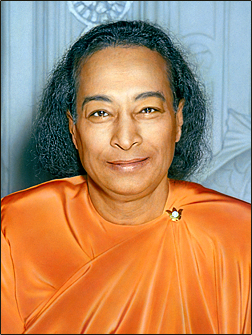
The Unity of Being: Embracing the One Spirit
In the profound words of Paramahansa Yogananda, "We are all part of the One Spirit. When you experience the true meaning of religion, which is to know God, you will realize that He is your Self, and that He exists equally and impartially in all beings." This statement invites us to explore the interconnectedness of all existence, urging us to transcend the illusion of separateness. It is a call to recognize that the divine essence permeates every being, and in understanding this, we can cultivate a deeper sense of compassion and unity in our lives.
Yogananda's assertion challenges us to reconsider our understanding of spirituality and religion. Rather than viewing religion as a set of dogmas or rituals, he presents it as a pathway to self-realization and divine connection. This perspective not only elevates our personal spiritual journey but also encourages us to see the divine in others, fostering a sense of equality and shared existence. In a world often marked by division and conflict, this teaching serves as a beacon of hope, reminding us of our inherent oneness.
The image / the metaphor
The imagery in Yogananda's quote evokes a sense of vastness and intimacy simultaneously. The phrase "One Spirit" suggests an all-encompassing unity, while the notion of God as our "Self" invites us to look inward for the divine presence. The verbs "experience" and "realize" imply an active engagement with our spiritual journey, emphasizing that understanding is not merely intellectual but deeply experiential. This duality of oneness and individuality creates a rich tapestry of meaning, inviting us to explore the depths of our own consciousness.
Diving deeper into the metaphor, we can see that Yogananda is not merely speaking of a philosophical concept but rather a lived reality. The idea that God exists "equally and impartially in all beings" challenges us to dismantle the barriers we erect between ourselves and others. It encourages us to recognize that the divine spark within us is mirrored in every person we encounter, fostering a sense of kinship that transcends superficial differences. This understanding can transform our interactions, leading to a more compassionate and harmonious existence.
In the speaker's tradition
Paramahansa Yogananda's teachings are deeply rooted in the rich tradition of Hinduism, where concepts such as dharma (righteous duty), bhakti (devotion), and prajna (wisdom) play pivotal roles. The notion of oneness is echoed in the Upanishads, which articulate the idea of Brahman, the ultimate reality, as the source of all existence. Yogananda’s emphasis on knowing God as our true Self aligns with the concept of kenosis, or self-emptying, where one relinquishes the ego to realize their divine nature. This journey towards self-realization is not merely personal but collective, as it recognizes the interconnectedness of all beings.
In the Bhagavad Gita, Krishna imparts wisdom on the nature of the self, stating that the true self is eternal and beyond physical form. This aligns with Yogananda's assertion that recognizing God in ourselves leads to a profound understanding of our unity with others. The Gita teaches that when we act from this place of awareness, we fulfill our dharma and contribute to the greater good, embodying the very essence of Yogananda's message.
Living the teaching
Consider a modern scenario where this teaching can be applied: a workplace filled with diverse individuals, each with their unique backgrounds and perspectives. When we approach our colleagues with the understanding that they are manifestations of the same One Spirit, we can foster an environment of collaboration and respect. This perspective encourages us to listen actively, appreciate differences, and work together towards common goals, transforming potential conflicts into opportunities for growth and connection.
In our personal relationships, this teaching can be particularly transformative. Imagine a moment of tension with a loved one, where misunderstandings and emotions run high. By recalling Yogananda's wisdom, we can pause and remind ourselves that the divine resides within both ourselves and the other person. This recognition can soften our hearts, allowing us to respond with empathy rather than defensiveness, ultimately deepening our bond and nurturing a sense of shared humanity.
A reflection
As we contemplate Yogananda's profound insight, we are invited to ask ourselves: "In what ways can I recognize the divine presence in those around me?" This question encourages us to reflect on our interactions and the underlying unity that connects us all. By embracing this perspective, we can cultivate a more compassionate and inclusive world, honoring the One Spirit that flows through every being.




Join the BrightStar Community
Stay connected with daily inspiration, event announcements, and community wisdom