The Crumbling Foundations of Existence
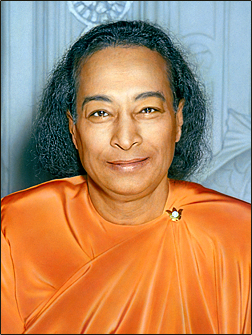
Paramahansa Yogananda's poignant assertion, "When God is denied, the very foundation of life and happiness collapses beneath man," invites us to reflect on the essential role of the divine in our lives. In this statement, Yogananda articulates a profound truth: the denial of a higher power or spiritual essence can lead to a disintegration of purpose and joy. This sentiment resonates deeply in a world often characterized by materialism and existential uncertainty, where the search for meaning can feel elusive. Understanding this quote is crucial, as it challenges us to reconsider our relationship with the divine and the implications of neglecting that connection.
As we delve deeper into Yogananda's words, we uncover a stark warning about the fragility of human existence when it is disconnected from the divine. The collapse of happiness and life itself suggests that our emotional and spiritual well-being is intricately tied to our understanding of God. This relationship is not merely a theological concept but a lived experience that shapes our perceptions, actions, and ultimately, our happiness. Yogananda's insight compels us to explore the foundations upon which we build our lives and to question what happens when those foundations are eroded by doubt or denial.
The image / the metaphor
The imagery in Yogananda's quote evokes a powerful sense of instability and fragility. The phrase "the very foundation of life and happiness" conjures images of a solid ground beneath our feet, essential for stability and security. When this foundation is compromised by the denial of God, it suggests a catastrophic collapse, leaving individuals adrift in a chaotic existence. The verbs chosen—"denied" and "collapses"—imply an active choice and a sudden, destructive consequence, emphasizing the urgency of recognizing the divine in our lives.
Diving deeper into the metaphor, we can interpret "God" not merely as a religious figure but as the embodiment of truth, love, and interconnectedness. To deny God is to deny the very essence of our being and the relationships that sustain us. This denial can manifest in various forms, from skepticism about spiritual truths to an outright rejection of any higher power. The collapse that follows is not just a personal crisis; it is a societal one, where collective happiness and purpose are undermined, leading to a pervasive sense of discontent and alienation.
In the speaker's tradition
Yogananda's teachings are deeply rooted in the Hindu tradition, where the concept of God is multifaceted and often intertwined with ideas of dharma, or righteous living. In this context, denying God can be seen as a denial of one's own dharma, leading to a life devoid of meaning and fulfillment. The notion of kenosis, or self-emptying, resonates here as well; to truly embrace God is to let go of the ego and the illusions of separateness, allowing for a deeper connection with the divine and with others. This interconnectedness is crucial for cultivating true happiness, as it aligns us with the universal flow of life.
In the Bhagavad Gita, a foundational text of Hindu philosophy, the importance of surrendering to God is emphasized repeatedly. Arjuna's struggle on the battlefield serves as a metaphor for the inner conflicts we face when we deny our spiritual nature. The Gita teaches that true fulfillment arises from aligning our actions with divine will, suggesting that the collapse Yogananda speaks of can be avoided through devotion and surrender. This alignment not only fosters personal happiness but also contributes to the greater good, reinforcing the idea that our spiritual journey is inherently communal.
Living the teaching
Consider a modern scenario where an individual grapples with the pressures of daily life, perhaps feeling overwhelmed by work demands and societal expectations. In such moments, the denial of a higher purpose can lead to burnout and disillusionment. By acknowledging a divine presence or a greater purpose, one can find solace and strength, transforming the mundane into a sacred journey. This recognition can serve as a foundation for resilience, allowing individuals to navigate challenges with grace and a sense of belonging.
In relationships, the implications of Yogananda's teaching are equally profound. Imagine a partnership where one or both individuals have become disconnected from their spiritual selves, leading to misunderstandings and emotional distance. By re-establishing a connection to the divine—whether through shared practices like meditation, prayer, or simply a commitment to kindness—couples can rebuild their foundation of love and happiness. This conscious effort to invite the divine into their relationship can foster deeper understanding and compassion, illustrating how the acknowledgment of God can transform interpersonal dynamics.
A reflection
As we contemplate Yogananda's assertion, we are invited to ask ourselves: In what ways have I denied the presence of the divine in my life, and how has that affected my happiness and sense of purpose? This question encourages a deep introspection, prompting us to examine the foundations upon which we build our lives. By recognizing the importance of this connection, we can begin to reconstruct our understanding of happiness, rooted in a relationship with the divine that nourishes our souls and uplifts our spirits.




Join the BrightStar Community
Stay connected with daily inspiration, event announcements, and community wisdom