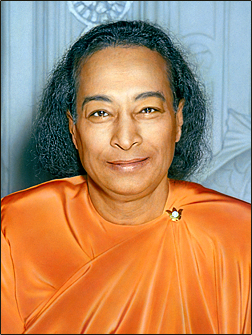
Beyond the Horizon: Embracing the Vastness of Existence
Paramahansa Yogananda invites us to contemplate a profound truth when he states, "When we go beyond the horizon of visible boundaries, we shall realize that this world is but a tiny bubble in the vast ocean of cosmic existence." This quote beckons us to expand our perspective, urging us to look beyond the immediate and the tangible. In doing so, we are encouraged to recognize the interconnectedness of all life and the greater reality that lies beyond our limited perceptions. This exploration is not merely an intellectual exercise; it is a spiritual awakening that can transform our understanding of existence itself.
As we delve deeper into Yogananda's words, we find an invitation to transcend the confines of our individual experiences and to embrace a more expansive view of reality. The notion of "visible boundaries" suggests the limitations imposed by our senses and conditioned minds. By moving beyond these boundaries, we are called to engage with the cosmos in a more profound way, recognizing that our lives are part of a larger tapestry woven from the threads of existence. This realization can inspire a sense of humility and wonder, reminding us that we are not isolated entities but integral parts of a vast, interconnected universe.
The image / the metaphor
The imagery in Yogananda's quote evokes a sense of exploration and discovery. The "horizon of visible boundaries" conjures a picture of a landscape where our sight is limited, yet beyond that horizon lies an infinite expanse. The use of the word "bubble" to describe our world suggests fragility and transience, highlighting how easily we can become ensnared in our own perceptions. In contrast, the "vast ocean of cosmic existence" symbolizes the boundless possibilities and the interconnectedness of all beings, inviting us to dive deeper into the waters of understanding.
Metaphorically, this quote serves as a reminder that our everyday concerns and struggles often distract us from the larger truths of existence. The bubble represents our individual lives, encapsulated in a world of personal experiences, fears, and desires. Yet, when we dare to look beyond this bubble, we can begin to appreciate the vast ocean that encompasses not only our lives but also the lives of countless others. This shift in perspective can lead to a profound sense of unity and belonging, as we recognize that we are all part of a greater whole.
In the speaker's tradition
Paramahansa Yogananda's teachings are deeply rooted in the spiritual tradition of Hinduism, which emphasizes the interconnectedness of all beings and the pursuit of higher consciousness. Concepts such as dharma, or the moral order of the universe, and sunyata, the emptiness that allows for the fullness of existence, resonate with the essence of Yogananda's message. The idea of kenosis, or self-emptying, aligns with the notion of transcending the self to embrace a more expansive reality. In this context, Yogananda's quote serves as a call to recognize our place within the cosmic order and to live in harmony with the greater whole.
In the Bhagavad Gita, a foundational text of Hindu philosophy, Lord Krishna speaks of the eternal nature of the soul and the illusion of the material world. This aligns with Yogananda's assertion that our earthly existence is but a small part of a much larger reality. The Gita encourages us to see beyond the transient nature of life and to engage with the eternal, reminding us that our true essence is not confined to the bubble of our individual experiences but is part of the vast ocean of existence.
Living the teaching
In our modern lives, the teaching encapsulated in Yogananda's quote can manifest in various ways. Consider a moment of frustration or anxiety, perhaps during a challenging day at work. In such instances, it is easy to become consumed by the immediate pressures and demands of our environment. However, if we take a moment to pause and reflect on the larger context of our lives, we can begin to see that these challenges are but fleeting moments in the grand tapestry of existence. By recognizing our struggles as part of a larger journey, we can cultivate resilience and a sense of peace amidst the chaos.
This teaching can also be applied in our relationships, particularly during conflicts or misunderstandings. When we find ourselves at odds with a loved one, it can be tempting to focus solely on our grievances and perspectives. Yet, if we remember Yogananda's invitation to look beyond our individual bubbles, we may find compassion and understanding for the other person's experience. This shift in perspective allows us to foster deeper connections and to navigate our relationships with greater empathy, recognizing that we are all navigating the same vast ocean of existence together.
A reflection
As we contemplate Yogananda's profound words, we are left with a contemplative question: How can we cultivate a perspective that transcends our immediate experiences and connects us to the greater whole of existence? This inquiry invites us to explore our own boundaries and to seek moments of stillness where we can reflect on the interconnectedness of all life. By embracing this practice, we may find ourselves more attuned to the vast ocean of cosmic existence that surrounds us, fostering a sense of unity and purpose in our lives.




Join the BrightStar Community
Stay connected with daily inspiration, event announcements, and community wisdom