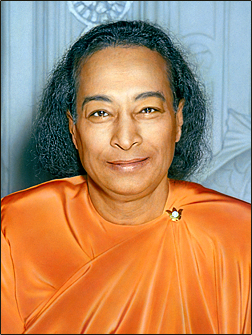
From Tears to Smiles: The Journey of a Life Well-Lived
Paramahansa Yogananda's poignant observation, "When you came into this world, you cried while everyone else smiled. Live your life so that when you leave, you smile while everyone else cries," invites us to contemplate the profound journey of existence. This quote encapsulates the essence of life’s purpose, urging us to reflect on how we can transition from the vulnerability of birth to the fulfillment of a life well-lived. It challenges us to consider the legacy we leave behind, emphasizing that our actions and intentions can transform the sorrow of departure into a celebration of our journey.
At its core, Yogananda's words resonate with the universal human experience of joy and sorrow. They remind us that life is a delicate balance between the two, and how we navigate this spectrum defines our legacy. The quote serves as a call to action, encouraging us to live authentically and purposefully, so that when we depart, we do so with a sense of peace and fulfillment, leaving behind a world enriched by our presence.
The image / the metaphor
The imagery in Yogananda's quote is striking and evocative. The contrast between the newborn's cry and the smiles of those around them paints a vivid picture of the duality of life. The act of crying symbolizes the inherent struggle and vulnerability that accompanies our entry into the world, while the smiles of others reflect their joy and hope for the future. This juxtaposition serves as a powerful reminder of the emotional landscape we traverse throughout our lives.
Diving deeper into the metaphor, we can see that the cry of the newborn is not merely an expression of distress but also a call to life, a signal that one has arrived to engage with the world. Conversely, the smiles of others signify their aspirations and dreams for the new life. As we journey through life, Yogananda encourages us to cultivate a legacy that transforms the inevitable sorrow of our departure into a source of joy for those we leave behind, suggesting that our lives should be a testament to love, compassion, and purpose.
In the speaker's tradition
Paramahansa Yogananda's teachings are deeply rooted in the spiritual traditions of Hinduism, where concepts such as dharma (righteous duty) and bhakti (devotion) play pivotal roles. The notion of living a life aligned with one's dharma is essential to understanding the purpose behind our existence. Yogananda emphasizes that by fulfilling our dharma, we not only elevate ourselves but also contribute positively to the collective consciousness, thereby ensuring that our departure is met with gratitude rather than sorrow.
In the Bhagavad Gita, a foundational text in Hindu philosophy, the idea of selfless action is echoed through the teachings of Krishna to Arjuna. Krishna advises Arjuna to perform his duty without attachment to the fruits of his actions, a principle that resonates with Yogananda's message. By living in accordance with our true purpose and serving others, we cultivate a life that inspires joy and reflection in those we leave behind, transforming the inevitable grief of loss into a celebration of life’s journey.
Living the teaching
Consider a modern scenario where this teaching can be applied: a community leader who dedicates their life to uplifting others. Through acts of service, they create a legacy that fosters connection, compassion, and empowerment. When this leader eventually passes, the community gathers not only to mourn their loss but also to celebrate the profound impact they had on countless lives. Their life becomes a source of inspiration, demonstrating how living with purpose can turn sorrow into gratitude and remembrance.
Another application of this teaching can be found in personal relationships. Imagine a parent who invests time and love into nurturing their children, instilling values of kindness and resilience. As they age and approach the end of their life, their children reflect on the lessons learned and the love shared, leading to a bittersweet farewell filled with smiles of appreciation for the life lived. In this way, the parent’s legacy becomes a source of strength and comfort, illustrating how intentional living can transform the experience of loss into a celebration of love.
A reflection
As we contemplate Yogananda's profound words, we are invited to ask ourselves: What legacy do I wish to leave behind, and how can I live each day in alignment with that vision? This question encourages us to reflect on our actions, relationships, and the impact we have on others. In embracing this inquiry, we may find clarity in our purpose and a deeper understanding of how to navigate the delicate balance of joy and sorrow throughout our lives.


Join the BrightStar Community
Stay connected with daily inspiration, event announcements, and community wisdom