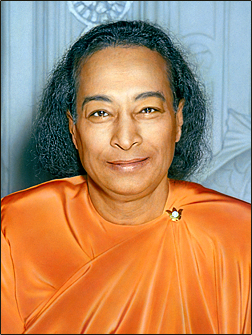
Embracing the Divine Call: A Journey of Service and Love
In the profound words of Paramahansa Yogananda, "Work for God, love God alone, and be wise with God. When someone needs you, be there. Never turn your back on life." This quote encapsulates a holistic approach to spirituality that intertwines devotion, service, and wisdom. It invites us to consider our relationship with the divine and our responsibilities toward others, urging us to engage fully with life while remaining anchored in love and purpose. The stakes are high; in a world often marked by disconnection and distraction, Yogananda's call to action serves as a beacon, guiding us toward a life of meaningful engagement and spiritual fulfillment.
Yogananda's message resonates deeply within the context of contemporary life, where the demands of daily existence can easily lead us to forget our spiritual roots. The essence of his teaching is not merely to perform acts of service but to cultivate a profound love for the divine that informs every action. This love becomes the lens through which we perceive our responsibilities, transforming mundane tasks into sacred offerings. By embodying this love, we not only enrich our own lives but also uplift those around us, creating a ripple effect of compassion and connection.
The image / the metaphor
The imagery in Yogananda's quote is rich and evocative, inviting us to visualize a life dedicated to the divine. The verbs "work," "love," and "be wise" suggest an active engagement with both the spiritual and the material realms. To "work for God" implies a commitment to service that transcends mere obligation; it is a heartfelt endeavor that aligns our actions with a higher purpose. Similarly, to "love God alone" emphasizes the singular devotion that fuels our service, reminding us that our efforts are not for personal gain but for the greater good. The phrase "never turn your back on life" serves as a powerful reminder to embrace existence fully, with all its challenges and joys.
Diving deeper into the metaphor, we can see that Yogananda is not merely advocating for a life of service; he is inviting us to cultivate a profound relationship with the divine that informs every aspect of our being. The call to "be wise with God" suggests a discernment that comes from spiritual awareness, guiding us in our interactions with others and ourselves. This wisdom is not intellectual but experiential, rooted in a deep understanding of the interconnectedness of all life. By embodying this wisdom, we become conduits of divine love, capable of responding to the needs of others with compassion and grace.
In the speaker's tradition
Paramahansa Yogananda's teachings are deeply rooted in the rich tapestry of Hindu philosophy, where concepts such as dharma, bhakti, and prajna play pivotal roles. Dharma, or righteous duty, aligns closely with Yogananda's call to "work for God," emphasizing the importance of fulfilling our responsibilities with integrity and devotion. Bhakti, the path of love and devotion, resonates with the directive to "love God alone," highlighting the transformative power of love in our spiritual journey. Furthermore, prajna, or wisdom, underscores the necessity of discernment in our actions, ensuring that our service is aligned with divine will.
A relevant text that echoes Yogananda's sentiments is the Bhagavad Gita, where Lord Krishna imparts wisdom to Arjuna about duty and devotion. In Chapter 3, Krishna emphasizes the importance of selfless action, urging Arjuna to perform his duty without attachment to the fruits of his labor. This teaching aligns seamlessly with Yogananda's message, reinforcing the idea that true fulfillment arises from serving others while remaining anchored in love for the divine. The Gita's teachings on karma and selfless action provide a profound context for understanding Yogananda's call to embrace life fully and serve with an open heart.
Living the teaching
Consider a modern scenario where this teaching can be applied: a colleague at work is struggling with a heavy workload and personal issues. In this moment, Yogananda's call to "be there" becomes a guiding principle. Instead of merely focusing on our own tasks, we can choose to extend a helping hand, offering support and understanding. This act of service not only alleviates the burden for our colleague but also fosters a sense of community and connection within the workplace. By embodying the spirit of love and service, we transform a simple interaction into a sacred opportunity for connection and compassion.
Another application of Yogananda's teaching can be found in our personal relationships. Imagine a moment of conflict with a loved one, where misunderstandings and hurt feelings arise. In such instances, the directive to "never turn your back on life" serves as a reminder to engage with empathy and openness. Rather than retreating into silence or defensiveness, we can choose to approach the situation with love and wisdom, seeking to understand the other person's perspective. This commitment to presence and connection not only heals the rift but also deepens our bond, allowing love to flourish even in challenging circumstances.
A reflection
As we contemplate Yogananda's profound words, we are invited to reflect on our own lives and the ways we engage with the divine and others. How can we embody the principles of love, service, and wisdom in our daily interactions? In what areas of our lives do we find ourselves turning away from the call to be present and supportive? This contemplation encourages us to examine our choices and consider how we might align more closely with the divine purpose that Yogananda so beautifully articulates.




Join the BrightStar Community
Stay connected with daily inspiration, event announcements, and community wisdom