The Sacred Union: Embracing Consciousness Through Yoga
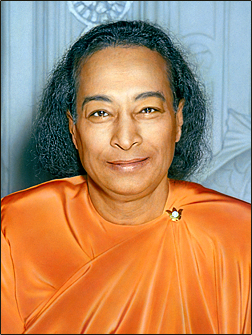
Paramahansa Yogananda eloquently states, "Yoga means union. It is union between the individual consciousness and the infinite consciousness." This profound assertion invites us to explore the essence of yoga not merely as a physical practice but as a spiritual journey towards a deeper understanding of our existence. The stakes are high; in a world often marked by fragmentation and disconnection, recognizing this union can lead to profound inner peace and a sense of belonging to something greater than ourselves.
To grasp the full weight of Yogananda's words, we must delve into the nature of consciousness itself. The individual consciousness represents our personal experiences, thoughts, and emotions, while the infinite consciousness embodies the universal, unbounded awareness that connects all beings. This union is not just a philosophical concept; it is a transformative experience that can reshape our understanding of ourselves and our place in the cosmos. By engaging with this teaching, we open ourselves to a path of self-discovery and spiritual awakening.
The image / the metaphor
At its core, Yogananda's quote paints a vivid picture of the relationship between the individual and the universal. The term "union" evokes a sense of merging, a coming together of two seemingly disparate entities into a harmonious whole. The verbs chosen—"means" and "is"—suggest a definitive state of being, emphasizing that this union is not merely aspirational but an inherent truth of our existence. The imagery conjures a dance of consciousness, where the individual self and the infinite weave together in a tapestry of awareness.
Diving deeper into this metaphor, we can envision the individual consciousness as a drop of water, distinct yet part of the vast ocean of infinite consciousness. Each drop carries its unique flavor and experience, yet it is never separate from the ocean that sustains it. This metaphor serves as a reminder that while we may navigate our individual journeys, we are always interconnected, partaking in the larger flow of existence. The practice of yoga, therefore, becomes a means to dissolve the illusion of separateness and embrace our true nature as part of the divine whole.
In the speaker's tradition
Paramahansa Yogananda's teachings are deeply rooted in the rich tradition of Hindu philosophy, where concepts such as dharma, the moral order of the universe, and bhakti, the path of devotion, play crucial roles. The union he speaks of can be likened to the idea of kenosis, the self-emptying of one's ego to allow for divine presence. In this context, the practice of yoga is not merely about physical postures but about aligning oneself with the cosmic order, recognizing that our individual journeys are expressions of a greater divine purpose.
To further illuminate this teaching, we can reference the Bhagavad Gita, where Krishna imparts wisdom to Arjuna about the nature of the self and the universe. The Gita emphasizes the importance of understanding one's true nature as part of the eternal, unchanging reality, akin to Yogananda's notion of union. This sacred text invites us to transcend our limited perspectives and embrace the infinite consciousness that permeates all existence, echoing Yogananda's call to recognize the interconnectedness of all life.
Living the teaching
Consider a modern scenario where the teaching of union through yoga can be applied: a busy professional feeling overwhelmed by the demands of work and life. In moments of stress, this individual may feel isolated, as if their struggles are theirs alone. However, by engaging in a regular yoga practice—whether through physical postures, meditation, or breathwork—they can cultivate a sense of connection to the infinite consciousness. This practice serves as a reminder that their challenges are part of a larger human experience, fostering compassion for themselves and others.
In a different context, imagine a relationship strained by misunderstandings and conflict. By embodying the principles of union, one partner can approach the situation with empathy and openness, recognizing that their individual perspectives are shaped by their unique experiences. This awareness allows for deeper communication and connection, transforming the relationship into a space of mutual growth and understanding. In both scenarios, the teaching of yoga as union becomes a guiding light, illuminating the path toward healing and connection.
A reflection
As we contemplate Yogananda's profound insight into the nature of yoga and consciousness, we are invited to reflect on our own experiences of connection and separation. How often do we find ourselves caught in the illusion of isolation, forgetting our inherent unity with the world around us? In moments of stillness, consider this question: What practices can I engage in to deepen my awareness of the union between my individual consciousness and the infinite consciousness that surrounds me?




Join the BrightStar Community
Stay connected with daily inspiration, event announcements, and community wisdom