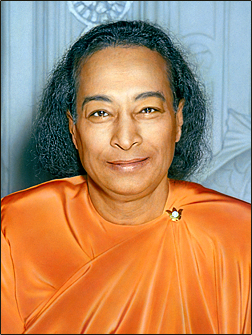
Awakening from the Dream: The Illusion of Reality
Paramahansa Yogananda's assertion that "You are walking on this earth as in a dream. Our world is a dream within a dream" invites us to reconsider the very nature of our existence. This profound statement challenges us to reflect on the layers of reality we navigate daily, suggesting that what we perceive as solid and substantial may, in fact, be ephemeral and illusory. The stakes of this inquiry are high; understanding the dreamlike quality of our lives can lead to a deeper awareness of our true selves and the interconnectedness of all beings.
In a world often dominated by material pursuits and distractions, Yogananda's words serve as a gentle reminder to awaken to the deeper truths that lie beneath the surface of our experiences. The notion that our lives are akin to a dream compels us to examine our consciousness and the beliefs we hold about ourselves and the world around us. It beckons us to explore the possibility that our perceptions may be shaped by illusions, urging us to seek a more profound understanding of reality and our place within it.
The image / the metaphor
The imagery of walking on earth as if in a dream evokes a sense of fluidity and transience. The verbs "walking" and "dreaming" suggest movement and a state of being that is not entirely grounded. This duality captures the essence of our human experience, where we often find ourselves caught between the tangible and the intangible, the known and the unknown. The phrase "dream within a dream" further amplifies this sense of layers, indicating that our perceptions may be nested within larger illusions, much like the nested realities of a dream.
Diving deeper into this metaphor, we can see that Yogananda is not merely commenting on the nature of dreams but is inviting us to explore the very fabric of consciousness itself. The dream represents our everyday experiences, filled with desires, fears, and attachments, while the notion of a "dream within a dream" suggests that there are deeper levels of awareness waiting to be uncovered. This layered understanding encourages us to question our assumptions and to seek clarity beyond the surface of our experiences.
In the speaker's tradition
Yogananda's teachings are deeply rooted in the Hindu tradition, which often emphasizes the concept of Maya, or illusion. In this context, the world is seen as a transient manifestation, a play of forms that distracts us from the ultimate reality of Brahman, the unchanging, eternal essence of existence. This understanding aligns with the idea of Dharma, where one must navigate the complexities of life while recognizing the underlying unity of all things. The practice of self-inquiry and meditation can lead to a state of kenosis, or self-emptying, allowing us to transcend the illusions that bind us.
In the Bhagavad Gita, Krishna speaks of the importance of discerning the eternal from the ephemeral, urging Arjuna to recognize the deeper truths that lie beyond the battlefield of life. This resonates with Yogananda's message, as both emphasize the necessity of awakening to our true nature. By engaging in practices that cultivate awareness, such as meditation and mindfulness, we can begin to peel back the layers of illusion and experience the profound peace that comes from recognizing our interconnectedness with all beings.
Living the teaching
Consider a modern scenario where this teaching might resonate: a busy professional caught in the whirlwind of deadlines and responsibilities. Each day blurs into the next, and the individual may feel as though they are merely going through the motions, disconnected from their true self. By reflecting on Yogananda's words, this person might begin to question the nature of their existence, recognizing that their relentless pursuit of success may be a distraction from deeper fulfillment. This awareness can lead to a conscious choice to step back, reassess priorities, and cultivate a more meaningful engagement with life.
In the realm of relationships, the idea of life as a dream can also provide profound insights. Imagine a couple facing conflict, each feeling misunderstood and trapped in their perspectives. By embracing the notion that their experiences may be shaped by illusions, they can approach their disagreements with greater compassion and openness. This shift in awareness allows them to see beyond their immediate frustrations, fostering a deeper connection rooted in understanding and empathy. In daily practices, such as mindful communication and active listening, they can cultivate a relationship that transcends the surface-level conflicts, revealing the deeper love that binds them.
A reflection
As we contemplate Yogananda's poignant words, we are invited to engage in a reflective inquiry: What illusions do I hold about myself and my life that may be obscuring my true nature? This question encourages us to delve into our beliefs, fears, and attachments, prompting a journey of self-discovery that can lead to greater clarity and peace. By embracing the dreamlike quality of our existence, we open ourselves to the possibility of awakening to a more profound reality, one that is rich with connection, purpose, and love.


Join the BrightStar Community
Stay connected with daily inspiration, event announcements, and community wisdom