Embracing the Storm: The Path to Inner Peace
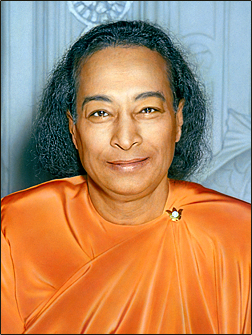
Paramahansa Yogananda's assertion that "You will find peace not by trying to escape your problems, but by confronting them courageously" invites us to reconsider our relationship with adversity. In a world that often promotes avoidance as a means of self-care, Yogananda's wisdom challenges us to face our difficulties head-on. This confrontation is not merely a call to endure suffering; it is an invitation to engage with our inner turmoil as a pathway to genuine peace. The stakes are high, as our ability to navigate life's challenges shapes our spiritual and emotional well-being.
In a society that frequently glorifies distraction and escapism, Yogananda's message resonates deeply. It compels us to recognize that true peace is not found in the absence of problems but in the courage to address them. This perspective shifts our understanding of peace from a passive state to an active engagement with life’s complexities. By embracing our struggles, we cultivate resilience and a deeper connection to our authentic selves, ultimately leading us to a more profound sense of tranquility.
The image / the metaphor
The imagery in Yogananda's quote evokes a powerful sense of confrontation and courage. The verbs "find" and "confront" suggest an active pursuit of peace, one that requires us to engage with our problems rather than flee from them. This dynamic interplay between peace and problems creates a vivid landscape where inner turmoil can transform into a fertile ground for growth. The felt sense of this journey is akin to standing in the eye of a storm, where chaos surrounds us, yet we find a stillness within.
In the speaker's tradition
Yogananda's teachings are deeply rooted in the rich tradition of Hindu philosophy, where concepts such as dharma and bhakti illuminate the path of courageous confrontation. Dharma, or one's duty, encourages individuals to engage with their responsibilities and challenges with integrity and courage. This aligns with the notion of kenosis, the self-emptying of the ego, which allows for a more profound engagement with life's difficulties. By embracing our dharma, we cultivate a sense of purpose that empowers us to face our problems with grace and strength.
In the Bhagavad Gita, a foundational text in Hinduism, we find a parallel to Yogananda's message. Arjuna, faced with the moral dilemmas of battle, is urged by Krishna to confront his fears and fulfill his duty. This narrative illustrates that true peace arises not from avoidance but from the courageous engagement with our responsibilities and the complexities of life. The Gita teaches us that by embracing our challenges, we can transcend our limitations and discover a deeper sense of peace.
Living the teaching
Consider a modern scenario where this teaching can be applied: an individual grappling with a difficult work environment. Instead of seeking to escape the tension through avoidance or disengagement, Yogananda's wisdom encourages this person to confront the underlying issues directly. This might involve having difficult conversations with colleagues or addressing personal feelings of inadequacy. By facing these challenges, the individual not only seeks resolution but also fosters personal growth and resilience, ultimately leading to a more peaceful work experience.
In the realm of relationships, Yogananda's teaching can also be profoundly transformative. Imagine a couple facing recurring conflicts that seem insurmountable. Rather than retreating into silence or blaming one another, they can choose to confront their issues with courage and openness. This might involve seeking to understand each other's perspectives, expressing vulnerabilities, and working collaboratively towards resolution. In doing so, they not only address the immediate problems but also deepen their connection, paving the way for a more harmonious and peaceful relationship.
A reflection
As we contemplate Yogananda's profound insight, we are invited to reflect on our own lives: What problems are we currently avoiding, and how might confronting them lead us to a deeper sense of peace? This question encourages us to examine our patterns of avoidance and consider the transformative potential of courageous engagement. In facing our challenges, we may uncover not only the roots of our unrest but also the pathways to a more profound and enduring tranquility.




Join the BrightStar Community
Stay connected with daily inspiration, event announcements, and community wisdom