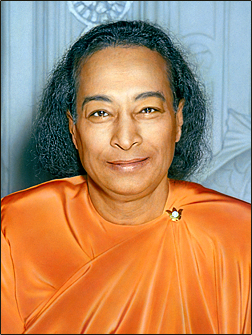
Awakening Through Adversity: The Wisdom of Trials
Paramahansa Yogananda's profound assertion, "Your trials did not come to punish you, but to awaken you," invites us to reconsider the nature of our struggles. Rather than viewing hardships as mere obstacles or punishments, Yogananda encourages us to see them as catalysts for spiritual awakening and personal growth. This perspective is crucial in a world where suffering often feels arbitrary and overwhelming, reminding us that within every challenge lies the potential for transformation and deeper understanding.
In a society that frequently equates success with ease and comfort, Yogananda's words serve as a powerful counter-narrative. They urge us to embrace our trials as essential components of our spiritual journey. By reframing our experiences of suffering, we can cultivate resilience and insight, ultimately leading to a more profound connection with our true selves. This shift in perception is not merely philosophical; it has the potential to alter our lived experience, fostering a sense of purpose and clarity amidst chaos.
The image / the metaphor
The imagery in Yogananda's quote evokes a sense of awakening, suggesting that trials are not merely burdens but rather opportunities for enlightenment. The verb "awaken" implies a state of slumber, where one is unaware of their true potential or the lessons embedded within their experiences. This awakening is akin to the blossoming of a flower, which requires the right conditions—often including adversity—to fully unfold its beauty. The contrast between punishment and awakening highlights a transformative journey, where pain can lead to profound insight.
In the speaker's tradition
Yogananda's teachings are deeply rooted in the Hindu tradition, which emphasizes the concepts of dharma and the transformative power of suffering. Dharma, or one's righteous duty, often involves navigating the trials of life with grace and integrity. In this context, trials are not random acts of fate but integral to fulfilling one's dharma. This perspective aligns with the idea of kenosis, or self-emptying, where one must let go of ego-driven desires to embrace a higher purpose. Such teachings resonate with the broader spiritual principles found in Hindu philosophy, where suffering is often viewed as a necessary step toward enlightenment.
In the Bhagavad Gita, for instance, Lord Krishna advises Arjuna to embrace his duty as a warrior, even amidst the turmoil of battle. This narrative illustrates that facing challenges with courage and commitment can lead to spiritual awakening and fulfillment of one's purpose. The Gita teaches that through the trials of life, we can cultivate virtues such as courage, compassion, and wisdom, ultimately leading us closer to the divine. Yogananda's quote echoes this sentiment, reminding us that our struggles are not punitive but rather invitations to awaken to our higher selves.
Living the teaching
Consider a modern scenario where this teaching resonates: a person facing job loss. Initially, this event may feel like a punishment, a setback that brings anxiety and uncertainty. However, if approached through the lens of Yogananda's wisdom, this trial can become a profound opportunity for self-discovery and growth. Perhaps it prompts the individual to explore new career paths, develop skills they had previously neglected, or even pursue a long-held passion. In this way, what initially appears as a misfortune can lead to a more fulfilling and authentic life.
In relationships, the application of this teaching can be equally transformative. Imagine a couple navigating a period of conflict. Instead of viewing their struggles as signs of failure, they can choose to see them as opportunities for deeper understanding and connection. By engaging in open dialogue and vulnerability, they may uncover underlying issues that need addressing, ultimately strengthening their bond. This approach aligns with Yogananda's message, suggesting that trials in relationships are not merely obstacles but pathways to greater intimacy and love.
A reflection
As we contemplate Yogananda's assertion that our trials are meant to awaken us, we are invited to reflect on our own experiences. What challenges have you faced that, in hindsight, served as catalysts for your growth? How might you shift your perspective on current struggles to see them as opportunities for awakening? Embracing this inquiry can lead to profound insights, illuminating the path toward a more awakened and purposeful life.




Join the BrightStar Community
Stay connected with daily inspiration, event announcements, and community wisdom