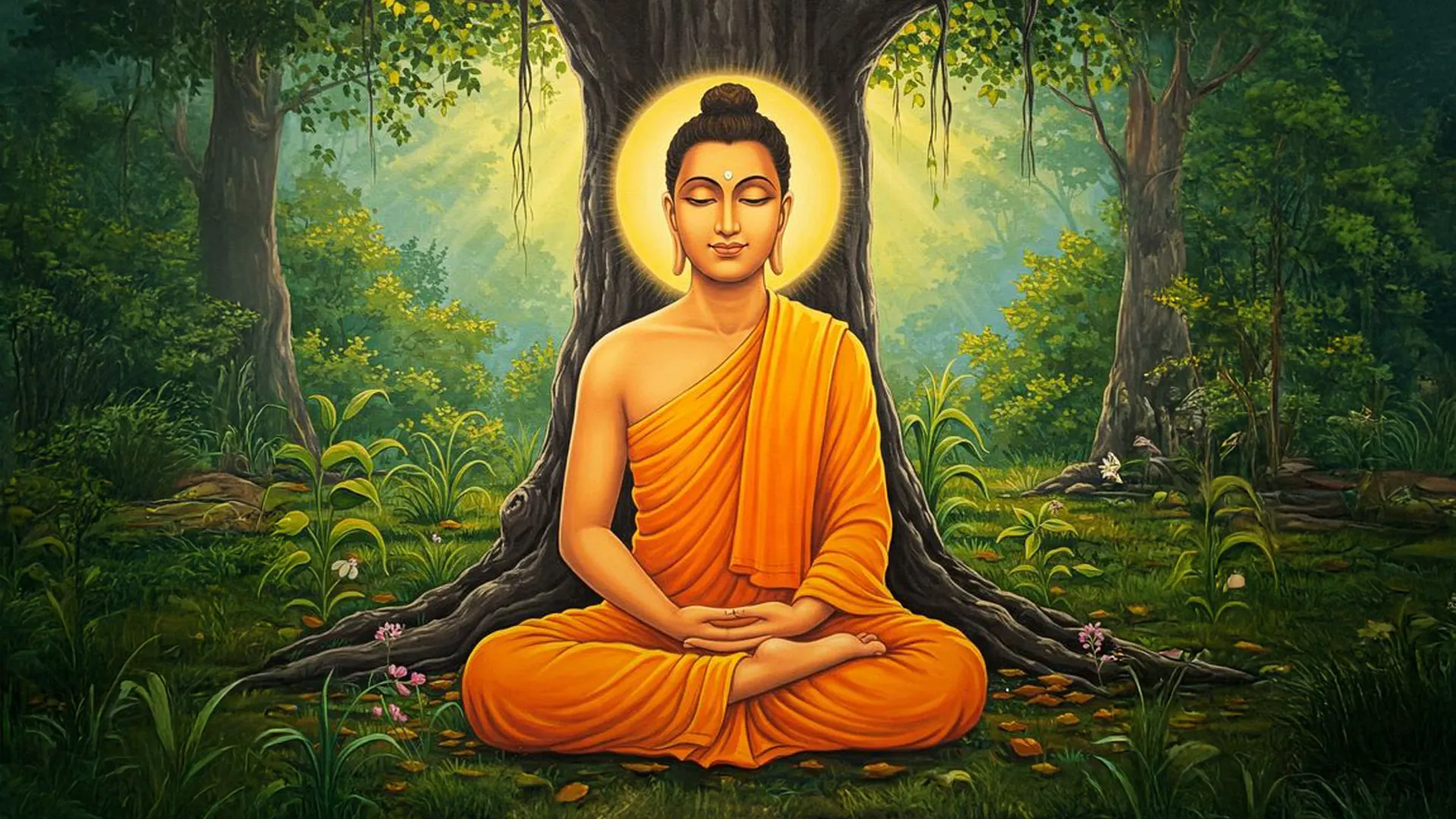
The Path of Happiness: A Journey Within
Buddha's assertion that "There is no path to happiness; happiness is the path" invites us to reconsider our understanding of happiness itself. Rather than viewing happiness as a distant destination to be reached through external achievements or circumstances, this quote encourages us to recognize happiness as an intrinsic quality that can be cultivated in each moment. This perspective shifts the focus from a future-oriented pursuit to a present-centered awareness, emphasizing the importance of how we engage with our lives right now.
This teaching holds profound implications for our daily lives, suggesting that the quest for happiness is not about accumulating experiences or possessions but about embracing the present moment with mindfulness and acceptance. In a world often preoccupied with future goals and past regrets, Buddha's wisdom serves as a gentle reminder that true contentment arises from our ability to be fully present, to appreciate the richness of each experience, and to cultivate a sense of peace within ourselves. This understanding can transform our relationship with happiness, allowing it to flourish naturally rather than as a reward for our efforts.
The image / the metaphor
The imagery in Buddha's quote evokes a sense of immediacy and intimacy with happiness. By stating that happiness is the path, he suggests that happiness is not a linear journey marked by milestones but rather a continuous experience woven into the fabric of our daily lives. The verbs chosen—"is" rather than "leads to"—imply that happiness is not something to be chased or attained; it is a state of being that can be accessed at any moment, regardless of external conditions.
In the speaker's tradition
Within the context of Buddhist teachings, this quote resonates deeply with the concept of dharma, which refers to the natural law and order of the universe, as well as the path of righteousness and ethical living. The idea that happiness is found in the present moment aligns with the practice of mindfulness, a core aspect of Buddhism that encourages individuals to cultivate awareness and acceptance of their thoughts, feelings, and surroundings. This teaching also echoes the notion of sunyata, or emptiness, which suggests that our attachments to future outcomes can cloud our perception of reality and hinder our ability to experience joy in the now.
Furthermore, this perspective can be illuminated by the teachings found in the Dhammapada, a collection of sayings attributed to the Buddha. One passage states, "Happiness comes from within. It is not dependent on external conditions." This reinforces the idea that true happiness is not contingent upon external circumstances but is a state of mind that can be nurtured through our thoughts and actions. By understanding this, we can begin to cultivate a more profound sense of peace and contentment in our lives, regardless of the challenges we may face.
Living the teaching
Consider a modern scenario where this teaching can be applied: a busy professional striving for success in their career. Often, individuals in such positions may postpone their happiness, believing that it will come once they achieve a promotion or complete a significant project. However, by embracing the idea that happiness is the path, they can learn to find joy in their daily tasks, appreciate the camaraderie with colleagues, and celebrate small victories along the way. This shift in perspective allows them to experience fulfillment in the present rather than deferring it to an uncertain future.
Another application of this teaching can be found in personal relationships. Imagine a couple navigating the complexities of life together, often caught up in the stress of daily responsibilities. By recognizing that happiness is not a destination but a shared journey, they can cultivate moments of connection and joy amidst the chaos. This might involve simple practices, such as taking time to express gratitude for one another, engaging in meaningful conversations, or creating rituals that honor their bond. In doing so, they transform their relationship into a source of happiness, reinforcing the idea that the path itself is where joy resides.
A reflection
As we contemplate Buddha's profound insight, we are invited to reflect on our own relationship with happiness. Are we often caught in the cycle of striving for future contentment, or can we begin to cultivate a sense of joy in the present moment? Consider this contemplative question: "What small moments of happiness can I acknowledge and embrace today?" By allowing ourselves to explore this inquiry, we open the door to a deeper understanding of happiness as a continuous journey rather than a distant goal.