The Heart's Desire and the Path of Integrity
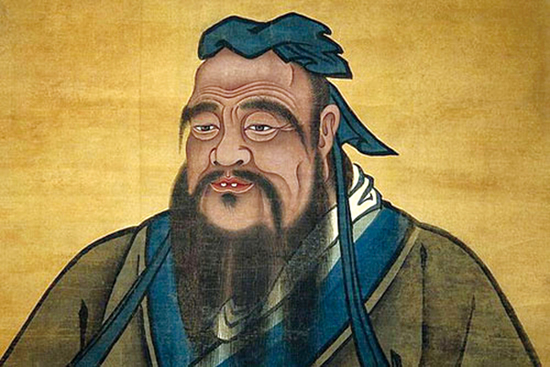
In the words of Confucius, "At seventy, I could follow what my heart desired without transgressing what was right." This statement encapsulates a profound realization that emerges with age and wisdom: the ability to align one's deepest aspirations with ethical conduct. It speaks to the delicate balance between personal fulfillment and moral integrity, a theme that resonates deeply within the human experience. As we navigate the complexities of life, the quest for authenticity often collides with the demands of societal norms and ethical considerations, making this insight particularly relevant.
Confucius's reflection invites us to contemplate the nature of mastery over oneself and the world. At seventy, a time traditionally associated with wisdom and reflection, he suggests that true freedom lies not in the absence of constraints but in the harmonious integration of desire and righteousness. This balance is not merely a personal achievement; it is a testament to a life lived with intention and ethical clarity. Understanding this interplay can illuminate our own journeys toward self-actualization and moral integrity.
The image / the metaphor
Confucius's quote evokes a vivid image of a seasoned individual standing at the crossroads of desire and duty. The phrase "follow what my heart desired" conjures a sense of liberation and authenticity, suggesting a journey toward self-discovery that is both personal and profound. The choice of the word "transgressing" implies a moral landscape where boundaries exist, and navigating this terrain requires discernment and wisdom. This imagery encapsulates the essence of a life well-lived, where the heart's yearnings are not at odds with ethical principles but rather in a harmonious dance.
Diving deeper into the metaphor, we can see that the heart represents our innermost desires, while the concept of "what was right" signifies the moral compass that guides our actions. The interplay between these two elements suggests that true mastery involves not merely the pursuit of personal goals but the cultivation of a character that honors both self and society. This duality reflects the Confucian ideal of the junzi, or the "noble person," who embodies virtue and wisdom, demonstrating that the path to fulfillment is paved with integrity.
In the speaker's tradition
Within the rich tapestry of Confucian thought, this quote resonates with the concept of ren, or humaneness, which emphasizes the importance of ethical relationships and moral integrity. Ren is not merely an abstract principle; it is a lived experience that manifests in our interactions with others. The idea of aligning one's desires with what is right echoes the Confucian belief in the interconnectedness of all beings, where personal fulfillment cannot exist in isolation from the well-being of the community. This perspective invites us to consider how our individual aspirations contribute to the greater good.
Moreover, the Analects, where this quote is found, serves as a guide for ethical living, emphasizing the cultivation of virtues such as benevolence, righteousness, and propriety. In this context, Confucius's assertion can be seen as an invitation to engage in a lifelong process of self-cultivation, where the heart's desires are continually refined through the lens of ethical reflection. This aligns with the Confucian ideal of self-improvement, suggesting that mastery over oneself is a dynamic journey rather than a fixed destination.
Living the teaching
Consider a modern scenario where an individual faces a career decision that weighs heavily on their heart. They may feel a strong desire to pursue a path that aligns with their passions, yet they are also aware of the ethical implications of their choices. For instance, a talented artist might grapple with the decision to create work that is commercially viable versus art that speaks to their deeper values. In this moment, the teaching of Confucius becomes a guiding light, encouraging them to seek a path that honors both their artistic integrity and their desire for success.
In relationships, this teaching can manifest during moments of conflict or misunderstanding. Imagine a couple navigating a disagreement where one partner feels compelled to express their true feelings, while the other is concerned about the potential fallout. Here, the wisdom of Confucius invites both individuals to engage in open dialogue, allowing their hearts to be heard while also considering the impact of their words on the relationship. This delicate balance fosters a deeper connection, illustrating how the integration of desire and ethical consideration can lead to more meaningful interactions.
A reflection
As we reflect on Confucius's profound insight, we are invited to ponder the ways in which our own desires align with our ethical principles. Are there areas in our lives where we feel a dissonance between what we want and what we believe is right? This contemplation can serve as a powerful catalyst for self-discovery, prompting us to explore the depths of our motivations and the values that guide us. In this journey, we may find that true fulfillment arises not from the pursuit of unchecked desires but from a life lived in harmony with our deepest convictions.


