The Guiding Light of Virtue in Governance
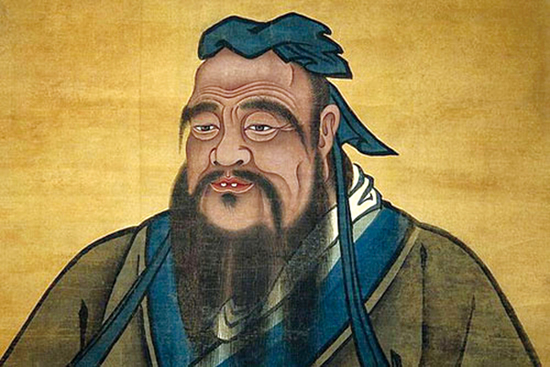
In the words of Confucius, "He who exercises government by means of his virtue may be compared to the north polar star, which keeps its place and all the stars turn toward it." This profound statement invites us to consider the role of virtue in leadership and governance. It suggests that a leader grounded in moral integrity serves as a steadfast point of reference, guiding others in their actions and decisions. The stakes are high; in a world often swayed by power and ambition, the call to embody virtue becomes not just a personal endeavor but a societal necessity.
As we delve deeper into this quote, we recognize that Confucius is not merely extolling the virtues of ethical leadership but is also illuminating the interconnectedness of virtue and authority. The image of the north polar star evokes a sense of stability and constancy, suggesting that true leadership is not about exerting control but about inspiring trust and alignment. In a time when moral ambiguity can cloud judgment, this teaching serves as a beacon, urging us to reflect on the qualities we seek in our leaders and, indeed, in ourselves.
The image / the metaphor
The metaphor of the north polar star is rich with meaning. The polar star, known for its unwavering position in the night sky, symbolizes reliability and guidance. In contrast, the stars that revolve around it represent the multitude of individuals and communities that look to a virtuous leader for direction. The verbs chosen—"exercises" and "turn toward"—imply an active engagement, where virtue is not a passive trait but a dynamic force that shapes the behavior and aspirations of others.
Diving deeper into this metaphor, we see that the polar star's fixed position reflects the idea of moral constancy. Just as sailors have historically relied on this star for navigation, individuals and societies depend on virtuous leaders to navigate the complexities of life. This imagery evokes a sense of responsibility; a leader's virtue must be steadfast, providing a moral compass that others can trust. The metaphor thus encapsulates the essence of Confucian thought, where virtue is not merely personal but a communal anchor.
In the speaker's tradition
Within the framework of Confucianism, virtue is paramount. Confucius emphasizes the concept of "ren," often translated as humaneness or benevolence, which serves as the foundation for ethical governance. This idea resonates with other spiritual traditions that value moral integrity as a guiding principle—such as "dharma" in Hinduism, which denotes righteousness and duty. Just as dharma calls individuals to act in accordance with universal moral laws, Confucian virtue compels leaders to embody ethical principles that foster harmony and order.
Moreover, the Analects, where this quote is found, is replete with teachings that underscore the importance of moral character in leadership. For instance, Confucius states, "The Master said, 'If a ruler is upright, all will go well without orders. But if he is not upright, even though he gives orders, they will not be followed.'" This reinforces the notion that virtue is not merely an individual quality but a collective necessity that shapes societal dynamics. The text serves as a reminder that the moral fabric of leadership is woven from the virtues of those in power.
Living the teaching
Consider a modern scenario where this teaching resonates: a community grappling with a crisis, such as a public health emergency. In such moments, leaders who embody virtue—transparency, empathy, and integrity—become the guiding stars for their communities. Their actions inspire trust and cooperation, allowing individuals to unite in the face of adversity. The leader's steadfastness in virtue becomes a source of strength, encouraging others to act with compassion and responsibility, thereby fostering a collective resilience.
This teaching also finds application in personal relationships. Imagine a conflict between friends where misunderstandings have led to hurt feelings. A friend who approaches the situation with virtue—seeking to understand, forgive, and communicate openly—can serve as a stabilizing force. Their commitment to moral integrity not only resolves the conflict but also strengthens the bond between them. In daily practice, embodying virtue in our interactions can transform relationships, creating a ripple effect that encourages others to do the same.
A reflection
As we contemplate Confucius's words, we are invited to reflect on our own lives: How do we embody virtue in our roles as leaders, friends, and community members? In what ways can we become guiding stars for those around us, fostering an environment of trust and ethical engagement? This question challenges us to consider the impact of our actions and the moral compass we provide to others, urging us to strive for a life rooted in virtue.


