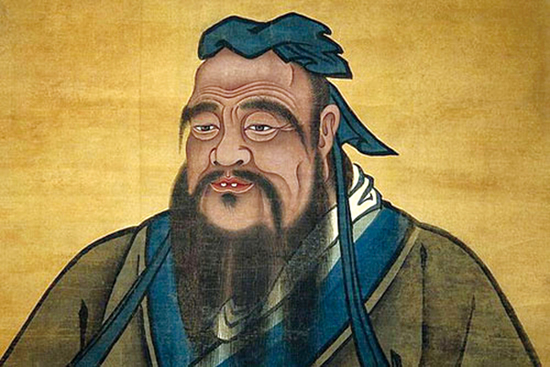
The Dance of Learning and Thinking
Confucius offers a profound insight when he states, "He who learns but does not think is lost; he who thinks but does not learn is in danger." This quote encapsulates the delicate balance between acquiring knowledge and engaging in critical reflection. In a world inundated with information, the stakes of this balance are high; without thoughtful consideration, knowledge can become a mere accumulation of facts, while unexamined thoughts can lead to misguided conclusions. The interplay between learning and thinking is not just an academic exercise; it is a vital aspect of our spiritual and ethical development.
To delve deeper, we must recognize that learning and thinking are not merely complementary but are interdependent processes that shape our understanding of the world and ourselves. Learning without thinking can lead to a superficial grasp of concepts, rendering us vulnerable to manipulation and misunderstanding. Conversely, thinking without the grounding of learning can result in a disconnection from reality, where ideas float unanchored in the ether of speculation. Thus, Confucius invites us to engage in a dynamic interplay, urging us to cultivate both our intellect and our capacity for reflection.
The image / the metaphor
At first glance, the imagery in Confucius's quote evokes a sense of navigation through a vast sea of knowledge. The learner, without the compass of thought, is adrift, lost amidst the waves of information. The thinker, on the other hand, is like a ship without a crew, at risk of capsizing due to the absence of practical experience and wisdom. The verbs "learns" and "thinks" suggest active engagement; they are not passive states but rather dynamic processes that require our full participation and discernment.
Delving deeper into the metaphor, we can see that the quote speaks to the necessity of balance in our intellectual pursuits. Learning can be likened to gathering the raw materials of knowledge, while thinking serves as the forge that shapes these materials into something meaningful and useful. Without this balance, we risk becoming either a mere repository of facts or a dreamer lost in abstraction. The art of living, as Confucius suggests, lies in harmonizing these two aspects, ensuring that our knowledge is both informed and reflective.
In the speaker's tradition
Within the rich tapestry of Confucian thought, this quote resonates with the concept of *ren*, or humaneness, which emphasizes the importance of moral development through both learning and introspection. Confucius believed that true wisdom arises not just from the accumulation of knowledge but from the cultivation of virtue and ethical understanding. This aligns with the idea of *prajna* in Buddhist philosophy, which signifies wisdom that is born from both insight and experiential learning, highlighting the interconnectedness of knowledge and ethical living.
Moreover, the Analects, from which this quote is drawn, is filled with reflections on the importance of self-cultivation and the role of the sage as a model for others. In *Analects 2.15*, Confucius emphasizes the necessity of a reflective mind in the pursuit of knowledge, suggesting that wisdom is not a destination but a continuous journey. This perspective invites us to consider how our learning and thinking can lead us toward a more profound understanding of our place in the world and our responsibilities to others.
Living the teaching
Consider a modern scenario where this teaching might apply: a student immersed in their studies, diligently memorizing facts for an upcoming exam. While their dedication to learning is commendable, if they fail to engage critically with the material, they risk becoming a vessel of information without true comprehension. This situation illustrates the danger of learning without thinking, as the student may struggle to apply their knowledge in real-world contexts, ultimately undermining their educational journey.
In a different context, imagine a conversation between two friends navigating a conflict. One friend may have strong opinions and thoughts about the situation, yet if they do not take the time to listen and learn from the other's perspective, they may miss crucial insights that could lead to resolution. Here, the balance of learning and thinking becomes essential for fostering understanding and empathy. By embracing both processes, they can cultivate a deeper connection and navigate their differences with wisdom.
A reflection
As we reflect on Confucius's wisdom, we are invited to consider how we can cultivate a balance between learning and thinking in our own lives. Are there areas where we have become complacent in our learning, or perhaps overly reliant on our thoughts without grounding them in experience? This contemplation encourages us to examine our intellectual habits and invites us to ask ourselves: How can I integrate thoughtful reflection into my learning process, and how can I ensure that my thoughts are informed by a deep understanding of the world around me?


