Wealth and Integrity in a Flawed Society
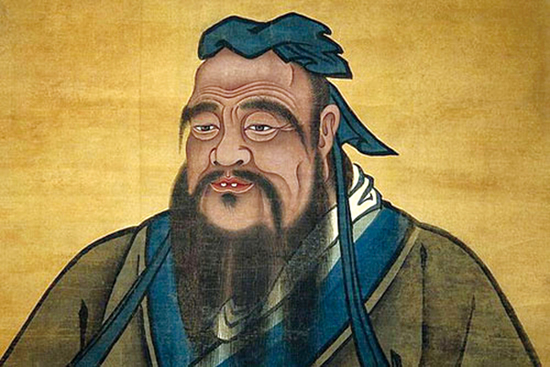
Confucius's assertion that "In a country badly governed, riches are something to be ashamed of" invites us to reflect on the intricate relationship between governance, wealth, and moral integrity. In essence, he suggests that the accumulation of riches loses its value in a society where ethical leadership is absent. This perspective challenges us to consider the implications of our wealth in the context of the greater good, urging us to align our material success with the moral fabric of our communities.
Moreover, this quote raises profound questions about the responsibilities that accompany wealth. It compels us to examine not only how we acquire our riches but also how they are utilized within the societal framework. When governance is flawed, wealth can become a source of division and shame rather than a means of fostering collective well-being. Thus, Confucius's words resonate deeply in our contemporary world, where the ethical dimensions of wealth and power are increasingly scrutinized.
The image / the metaphor
At first glance, the imagery in Confucius's quote evokes a stark contrast between wealth and governance. The phrase "badly governed" conjures images of corruption, injustice, and moral decay, while "riches" symbolizes not only material wealth but also the potential for influence and power. The verb "to be ashamed" carries a heavy emotional weight, suggesting that wealth, rather than being a source of pride, becomes a burden when it exists in a context devoid of ethical leadership.
Diving deeper into the metaphor, we can see that Confucius is not merely critiquing the wealthy; he is highlighting a systemic issue. The shame associated with riches in a poorly governed society reflects a broader moral crisis. It suggests that wealth, when untethered from virtue and responsibility, can lead to societal harm. Thus, the quote serves as a poignant reminder that the true measure of wealth lies not in its accumulation but in its alignment with the principles of justice and integrity.
In the speaker's tradition
Within the tradition of Confucianism, the concepts of governance and moral integrity are deeply intertwined. Confucius emphasized the importance of "ren," or humaneness, which calls for individuals to act with compassion and integrity in their relationships and societal roles. This notion resonates with the idea of "dharma" in other spiritual traditions, where ethical conduct is paramount for the well-being of the community. In Confucian thought, a ruler's moral character directly influences the prosperity and harmony of the state, making the ethical dimension of governance essential.
Furthermore, the Analects, where this quote is found, serves as a foundational text in Confucian philosophy, illustrating the importance of virtuous leadership. In Analects 2.1, Confucius states, "The Master said, 'Is it not a joy to have friends come from afar? Is it not a joy to learn and practice what you have learned? Is it not a joy to be unashamed of your mistakes?'" This reflects the interconnectedness of learning, friendship, and moral rectitude, reinforcing the idea that wealth must be accompanied by ethical responsibility to foster a just society.
Living the teaching
In today's world, the implications of Confucius's teaching can be seen in various scenarios, particularly in the realm of corporate governance. Consider a successful entrepreneur who amasses significant wealth but operates in an industry rife with exploitation and environmental degradation. This individual may experience societal pressure to contribute to philanthropic efforts, yet the underlying governance issues remain unaddressed. Here, the shame associated with riches becomes palpable, as the entrepreneur grapples with the moral implications of their wealth in a flawed system.
On a more personal level, this teaching can manifest in our relationships and daily interactions. Imagine a situation where one friend is financially successful while another struggles to make ends meet. If the wealthy friend flaunts their riches without consideration for their friend's circumstances, it can create a rift rooted in shame and resentment. Conversely, if the wealthy individual uses their resources to uplift and support their friend, they embody the spirit of Confucius's teaching, demonstrating that true wealth is measured not by material accumulation but by the integrity and compassion with which it is shared.
A reflection
As we contemplate Confucius's profound statement, we are invited to reflect on our own relationship with wealth and governance. How do our personal values align with the ethical dimensions of our financial decisions? In a world where governance may often fall short, how can we ensure that our riches contribute to the greater good rather than perpetuating shame? This contemplation encourages us to seek a deeper understanding of our role in fostering a just and compassionate society.


