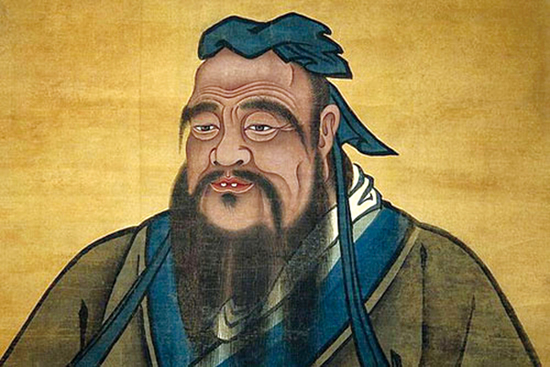
The Archery of Virtue: A Path to the Superior Man
Confucius invites us to contemplate the relationship between archery and the cultivation of virtue, suggesting that the discipline required in archery mirrors the qualities of a superior man. This metaphor serves as a profound reminder that mastery in any field—be it physical, intellectual, or moral—requires dedication, focus, and a deep understanding of oneself. The stakes are high; in a world often distracted by superficial pursuits, the call to engage in meaningful practice becomes a pathway to personal and communal flourishing.
In this light, the quote emphasizes the importance of practice as a means of self-cultivation. Just as an archer must hone their skills through repetition and reflection, so too must individuals strive to embody virtues such as integrity, humility, and wisdom. The act of aiming for a target becomes a metaphor for the pursuit of moral excellence, urging us to consider how our daily actions align with our higher aspirations. This exploration of practice and virtue is not merely an exercise in self-improvement; it is a call to engage with the world in a manner that reflects our deepest values.
The image / the metaphor
At first glance, the imagery of archery evokes a sense of precision and skill. The archer, with bow drawn taut, embodies focus and intention, aiming not just at a physical target but at the very essence of virtue itself. The verbs chosen—“have” and “resembling”—suggest a dynamic relationship between the practice of archery and the qualities of a superior man, implying that one must actively engage in the process of becoming. This imagery invites us to visualize the discipline and patience required to hit a target, paralleling the inner work necessary to cultivate a virtuous character.
Diving deeper into the metaphor, we can see that archery is not merely about the act of shooting an arrow; it is about the entire process leading up to that moment. The preparation, the breath, the alignment of body and mind—all these elements contribute to the outcome. Similarly, the journey toward becoming a superior man involves a holistic approach to self-cultivation, where virtues are not just theoretical ideals but lived realities. The archer's journey becomes a reflection of our own, reminding us that the path to virtue is paved with consistent practice and mindful engagement.
In the speaker's tradition
Confucius's teachings are deeply rooted in the tradition of self-cultivation, where the concept of "ren" (benevolence or humaneness) serves as a guiding principle. This notion resonates with other spiritual traditions that emphasize the importance of inner transformation, such as the Buddhist concept of "prajna," or wisdom, which also requires diligent practice and self-awareness. In Confucianism, the superior man is not born but made through the cultivation of virtues, much like an archer who becomes skilled through relentless practice and reflection.
In the "Doctrine of the Mean," Confucius elaborates on the importance of balance and moderation, suggesting that the superior man navigates life with a sense of harmony and purpose. This text serves as a reminder that the journey toward virtue is not a solitary endeavor but one that is enriched by community and shared values. Just as an archer may learn from a mentor or fellow practitioners, so too do we benefit from the wisdom of those around us as we strive to embody the qualities of a superior man.
Living the teaching
Consider a modern scenario where this teaching can be applied: a workplace environment where collaboration is essential. Imagine a team tasked with a challenging project, where each member must contribute their unique skills and perspectives. In this context, the practice of virtue—such as patience, respect, and open communication—becomes crucial for success. Just as an archer must adjust their aim based on the conditions of the wind and terrain, team members must adapt their approaches to foster a harmonious and productive atmosphere.
Another application of this teaching can be found in personal relationships, particularly during moments of conflict. When disagreements arise, the qualities of a superior man—such as empathy, humility, and the willingness to listen—can guide us toward resolution. By practicing these virtues, we not only aim for a harmonious outcome but also deepen our understanding of ourselves and others. The act of navigating these challenges becomes akin to the archer's journey, where each interaction is an opportunity to refine our character and align our actions with our values.
A reflection
As we reflect on Confucius's words, we are invited to consider the ways in which our daily practices align with our aspirations for virtue. What does it mean to aim for the target of moral excellence in our lives? In what areas do we need to cultivate greater discipline and focus? This contemplation encourages us to engage with our own journeys, recognizing that the path to becoming a superior man is not a destination but a continuous practice of self-discovery and growth.


