The Endurance of Character in Times of Want
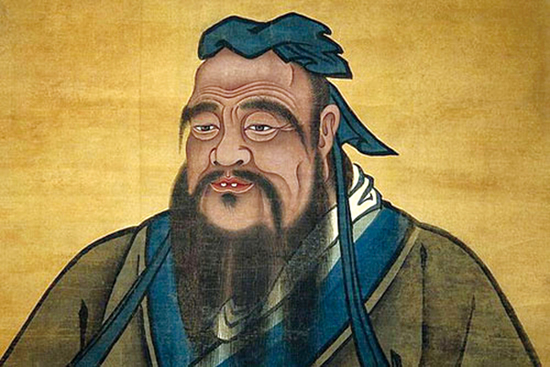
In the words of Confucius, "The superior man may indeed have to endure want, but the mean man, when he is in want, gives way to unbridled license." This profound statement encapsulates the essence of character and integrity in the face of adversity. It suggests that true nobility is not merely a matter of social status or material wealth, but rather a reflection of one's inner strength and moral compass. The stakes are high: in moments of scarcity, our choices reveal the depth of our character and the values we hold dear.
Confucius invites us to reflect on the nature of want and how it shapes our actions. The superior man, despite facing hardship, remains steadfast and principled, while the mean man succumbs to temptation and moral decay. This dichotomy raises critical questions about the human condition and the choices we make when confronted with challenges. It serves as a reminder that our responses to life's difficulties can either elevate us or lead us astray, emphasizing the importance of cultivating integrity and self-discipline.
The image / the metaphor
The imagery in Confucius's quote is striking and evocative. The "superior man" embodies resilience and moral fortitude, suggesting a dignified endurance of hardship. In contrast, the "mean man" represents a lack of integrity, illustrating how desperation can lead to a loss of self-control. The verbs "endure" and "give way" carry significant weight; they imply a struggle between maintaining one's principles and succumbing to base instincts. This contrast paints a vivid picture of the moral landscape we navigate when faced with want.
Diving deeper into the metaphor, we see that want is not merely a physical state but also a spiritual and emotional one. The superior man's endurance signifies a commitment to higher ideals, while the mean man's unbridled license reveals a surrender to chaos and moral ambiguity. This metaphor serves as a powerful reminder that our true character is often revealed in moments of vulnerability, where the choices we make can either affirm our values or betray them.
In the speaker's tradition
Confucius's teachings are deeply rooted in the tradition of Confucianism, which emphasizes the cultivation of virtue and moral character. Central to this philosophy is the concept of "ren," often translated as humaneness or benevolence, which underscores the importance of ethical behavior in all aspects of life. In this context, the superior man exemplifies ren by maintaining his integrity even in the face of want, while the mean man fails to embody this virtue. This distinction resonates with other spiritual traditions, such as the Buddhist concept of "dharma," which also emphasizes the importance of ethical conduct in navigating life's challenges.
Moreover, the Analects, where this quote is found, serves as a foundational text for understanding Confucian thought. In this work, Confucius frequently discusses the importance of self-cultivation and moral integrity. For instance, in Analects 4.16, he states, "The Master said, 'Is it not a joy to have friends come from afar? Is it not a joy to learn and practice what you have learned? Is it not a joy to be unashamed of your failures?'" This passage reinforces the idea that true fulfillment comes from a life lived with integrity, regardless of external circumstances.
Living the teaching
Consider a modern scenario where this teaching resonates: a professional facing layoffs in a company. The superior man in this situation might choose to remain committed to his work ethic, supporting colleagues and maintaining professionalism, even as uncertainty looms. In contrast, the mean man may resort to unethical behavior, such as sabotaging others to secure his own position. This situation illustrates how the pressures of want can challenge our integrity, urging us to reflect on how we respond to adversity.
Another application of this teaching can be found in personal relationships. Imagine a couple facing financial difficulties. The superior partner may choose to communicate openly and work together to find solutions, demonstrating resilience and commitment to the relationship. Conversely, the mean partner might lash out in frustration, allowing their emotions to dictate their actions. This dynamic highlights the importance of maintaining integrity and compassion, even when faced with the trials of life.
A reflection
As we contemplate Confucius's words, we are invited to examine our own responses to want and adversity. How do we maintain our integrity when faced with challenges? In what ways can we cultivate the qualities of the superior man in our daily lives? Reflecting on these questions can deepen our understanding of character and inspire us to embody the virtues that lead to a more meaningful existence.


