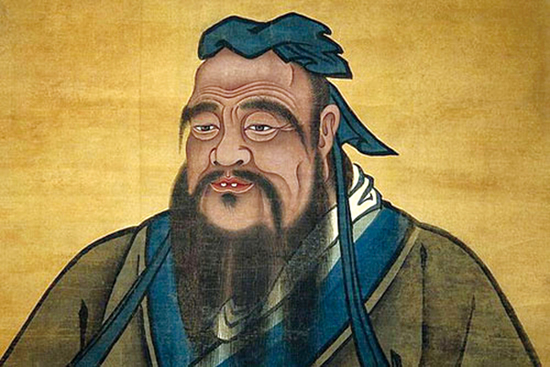
The Dance of Virtue and Wisdom
In the profound words of Confucius, "The virtuous rest in virtue; the wise desire virtue." This statement encapsulates a fundamental distinction between two states of being: the contentment found in moral integrity and the active pursuit of ethical excellence. The stakes of this teaching are high, as it invites us to reflect on our own relationship with virtue and wisdom, urging us to consider whether we are merely resting in our moral achievements or striving for a deeper understanding and embodiment of virtue in our lives.
As we delve into this quote, we recognize that it speaks to the heart of human aspiration. Virtue, in this context, is not merely a static quality but a dynamic force that shapes our interactions and decisions. The wise, who actively seek virtue, embody a restless spirit of inquiry and growth, suggesting that the journey toward ethical living is as significant as the destination itself. This distinction prompts us to examine our motivations and the depth of our commitment to living virtuously.
The image / the metaphor
At first glance, the imagery in Confucius's quote evokes a sense of duality. The "virtuous" are depicted as resting, perhaps suggesting a state of satisfaction or completion, while the "wise" are portrayed as desiring, indicating an ongoing quest. The verbs chosen—"rest" and "desire"—carry distinct emotional weights; resting implies a cessation of effort, while desiring suggests an active engagement with life. This contrast invites us to consider how we relate to our own virtues and the ways in which we might become complacent in our moral lives.
Diving deeper into the metaphor, we can see that resting in virtue may lead to stagnation, while desiring virtue fosters growth and transformation. The wise individual recognizes that virtue is not a destination but a journey, one that requires continual reflection and effort. This metaphor serves as a reminder that the pursuit of virtue is a lifelong endeavor, one that demands our attention and commitment, urging us to cultivate a mindset that embraces both the joy of achievement and the humility of ongoing learning.
In the speaker's tradition
Confucius's teachings are deeply rooted in the tradition of Confucianism, which emphasizes the importance of moral cultivation and the development of virtuous character. Central to this tradition is the concept of "ren," often translated as humaneness or benevolence, which serves as the foundation for ethical behavior. The distinction between resting in virtue and desiring virtue aligns with the Confucian understanding of moral development as a dynamic process, akin to the Buddhist concept of "dharma," which emphasizes the ongoing practice of ethical living.
In the Analects, Confucius frequently underscores the importance of self-cultivation and the role of the wise individual in society. For instance, he states, "The Master said, 'Is it not a joy to have friends come from afar? Is it not a joy to learn and practice what you have learned?'" (Analects 1.1). This passage highlights the value of continuous learning and the pursuit of virtue, reinforcing the idea that wisdom is not merely an intellectual exercise but a lived experience that shapes our interactions with others and the world around us.
Living the teaching
Consider a modern scenario in which a professional finds themselves in a leadership position. They may have achieved a certain level of success and recognition, embodying the virtues of integrity and fairness. However, if they become complacent, resting on their laurels, they risk stagnation. In contrast, a wise leader actively seeks to cultivate their virtues further, engaging in self-reflection, seeking feedback, and striving to inspire their team toward a shared vision of ethical excellence. This pursuit not only enhances their own character but also fosters a culture of growth and virtue within their organization.
In personal relationships, the distinction between resting in virtue and desiring virtue can manifest in profound ways. Imagine a couple who have built a strong foundation of trust and respect. If they become complacent, merely enjoying their established virtues, they may overlook the importance of ongoing communication and emotional vulnerability. Conversely, the wise partner recognizes that love and understanding require continual effort and desire for deeper connection. This active pursuit of virtue in relationships can lead to a richer, more fulfilling bond, demonstrating that the journey of love is as vital as its destination.
A reflection
As we reflect on Confucius's insight, we are invited to consider our own relationship with virtue and wisdom. Are we resting in the comfort of our moral achievements, or are we actively seeking to deepen our understanding and practice of virtue? In what ways can we cultivate a desire for ethical growth in our lives, embracing the journey as a vital aspect of our spiritual and moral development?


