The Joy of Simplicity: Embracing Contentment in Everyday Life
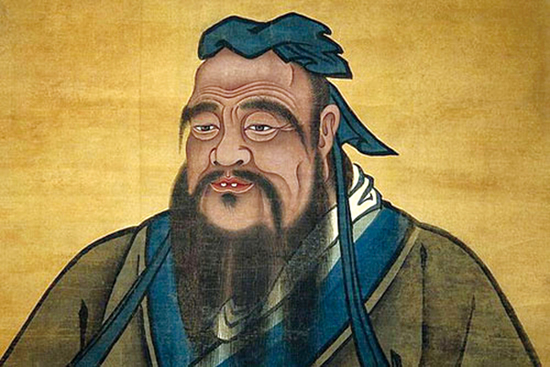
In the words of Confucius, "With coarse rice to eat, with water to drink, and my bended arm for a pillow, I have still joy in the midst of these things." This poignant statement encapsulates a profound philosophy of contentment and simplicity. It invites us to reflect on the essence of joy, suggesting that true happiness does not stem from material abundance but rather from an inner state of being. In a world often driven by the pursuit of wealth and status, Confucius reminds us that fulfillment can be found in the most humble of circumstances.
By emphasizing the simplicity of his sustenance—coarse rice and water—Confucius challenges the prevailing notions of success and happiness. His declaration of joy amidst such modest conditions serves as a powerful reminder that our contentment is not contingent upon external factors. Instead, it is rooted in our ability to appreciate the present moment and find peace within ourselves. This teaching resonates deeply in our contemporary lives, where the relentless chase for more can often lead to discontent and anxiety.
The image / the metaphor
The imagery in Confucius's quote is strikingly vivid. The "coarse rice" and "water" symbolize the most basic forms of sustenance, stripped of luxury and extravagance. The "bended arm for a pillow" evokes a sense of simplicity and humility, suggesting a life lived without the burdens of excessive comfort or material possessions. Each element of this imagery serves to ground the reader in the reality of existence, where joy can flourish even in the absence of abundance.
In the speaker's tradition
Confucius's teachings are deeply rooted in the principles of Confucianism, which emphasizes the cultivation of virtue, moral integrity, and harmonious relationships. Central to this tradition is the concept of "ren," often translated as humaneness or benevolence, which encourages individuals to find joy in serving others and fostering community. This notion aligns closely with the idea of contentment, suggesting that true happiness arises from our connections with others rather than from material wealth.
Moreover, the theme of simplicity resonates with the Confucian ideal of "zhongyong," or the Doctrine of the Mean, which advocates for balance and moderation in all aspects of life. In the Analects, Confucius often emphasizes the importance of living in accordance with one's nature and circumstances, suggesting that fulfillment comes from aligning our desires with the reality of our lives. This perspective invites us to reflect on how we might find joy in our own circumstances, no matter how humble they may seem.
Living the teaching
In our modern lives, the teaching of Confucius can be illustrated through the experience of a person navigating the challenges of financial instability. Imagine an individual who has recently lost their job and is struggling to make ends meet. Faced with the prospect of living on a tight budget, they might initially feel overwhelmed by anxiety and despair. However, by embracing the wisdom of Confucius, they can shift their focus from what they lack to the simple joys that remain—sharing meals with loved ones, enjoying nature, or finding solace in a good book. This shift in perspective allows them to cultivate a sense of contentment, even amidst uncertainty.
Another application of this teaching can be found in the realm of relationships. Consider a couple facing difficulties in their marriage, perhaps due to external stressors such as work or family obligations. Instead of fixating on the challenges, they might choose to focus on the small, everyday moments that bring them joy—a shared laugh, a quiet evening together, or a simple meal. By practicing gratitude for these moments, they can nurture their connection and find joy in their partnership, reinforcing the idea that happiness often resides in the simplest of experiences.
A reflection
As we contemplate the wisdom of Confucius, we are invited to ask ourselves: How can I cultivate a sense of joy and contentment in my own life, regardless of my circumstances? This question encourages introspection and invites us to explore the ways in which we might shift our focus from external achievements to the richness of our present experiences. In doing so, we may discover that joy is not a distant destination but a companion that walks with us through the simplicity of everyday life.


